Best Milk Thermometer in 2026
Perfect latte art starts with precise milk temperature, and choosing the right milk frothing thermometer makes all the difference. Whether you're a home barista or coffee professional, a reliable contactless milk thermometer or traditional probe thermometer helps you achieve silky microfoam and consistently delicious steamed milk every time. Discover the Best Milk Thermometer in 2026
Explore the Subminimal contactless thermometer for revolutionary zero-cleanup temperature monitoring - Subminimal
Types of Milk Thermometers
Understanding the different types of milk thermometers helps you choose the best tool for your workflow and frothing style.
Contactless IR Thermometers
Infrared thermometers measure surface temperature without touching the milk. They provide instant readings in under a second and require zero cleanup between uses. These work by detecting infrared energy emitted from the milk's surface. You'll need to swirl or stir milk before measuring since they read only surface temperature, not internal temperature. Steam and moisture can temporarily affect accuracy, so aim carefully at the milk surface.
Digital Probe Thermometers
Digital thermometers feature a stainless steel probe that inserts into the milk during steaming. They typically achieve ±0.5°C accuracy and provide readings in 2-4 seconds. Many models include preset temperatures (60°C/140°F, 65°C/150°F, 70°C/160°F), custom programming, and audible alerts when your target temperature is reached. The probe requires cleaning after each use but measures internal milk temperature directly.
Analog Dial Thermometers
Analog thermometers use a traditional dial and stainless steel probe. They're durable, require no batteries, and many feature NSF certification for commercial use. These thermometers generally maintain ±2°C accuracy and include calibration capability using an adjustment nut beneath the dial. Temperature zone markings help identify ideal ranges for latte art at a glance.
Understanding Ideal Milk Temperatures
Temperature control directly impacts milk texture, sweetness, and your ability to create beautiful latte art.
The ideal temperature range for latte art is 55-65°C (131-149°F). This range preserves milk's natural sweetness and creates a smooth, creamy texture perfect for pouring patterns. Milk should be stretched and aerated until approximately 35-40°C, then steamed no higher than 65-70°C.
Beyond 65°C, milk begins losing sweetness and becomes harder in texture. At temperatures above 70°C (160°F), milk can burn or curdle, producing an unpleasant flavor. For customers who prefer extra-hot drinks, 70°C/160°F is the maximum recommended temperature.
Different milk types require slight temperature adjustments. Whole milk performs best at 65°C, while skim milk can be heated to 68°C for fuller flavor. Alternative milks like oat milk work well between 62-65°C, though some plant-based options have ideal ranges between 130-160°F depending on formulation.
Top 13 Best Milk Thermometers in 2026
1. Subminimal - Best Milk Thermometer in 2026

Description (Contactless Thermometer):
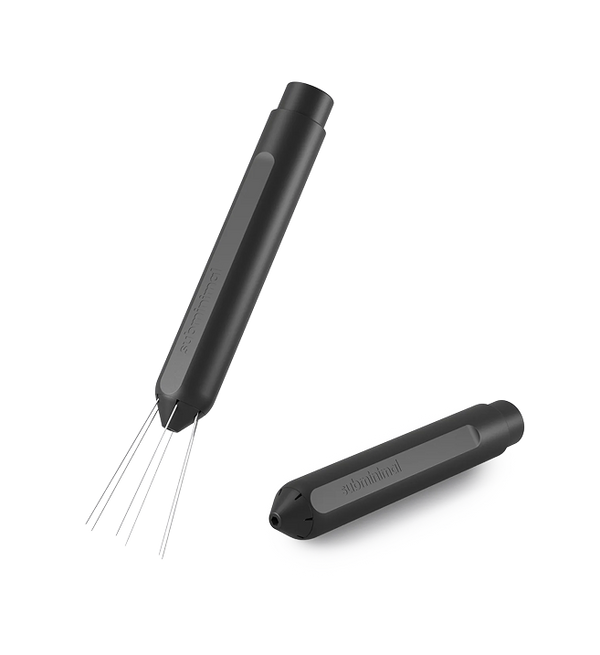
Instant Temperature Check, No Cleanup: The Subminimal Contactless Thermometer is a tiny digital IR thermometer designed as the perfect companion to the FlowTip Jug. Quickly monitor milk temperature without placing a probe in the liquid—one less thing to clean. This compact, no-touch thermometer delivers instant surface temperature readings for effortless coffee preparation.
Key Features:
-
Contactless IR Technology: Measures surface temperature without touching the liquid
-
No Cleanup Required: No probe means no washing or drying after use
-
Wide Temperature Range: -50°C to 250°C for versatile kitchen use
-
Instant Readings: Measures temperature in seconds with a simple point-and-check
-
Compact & Lightweight: 27 grams / 1oz, dimensions 115x22x20mm
-
0.95 Emissivity Rating: Optimized for accurate coffee and milk temperature readings
-
Battery Powered: 2x LR44 batteries included
-
Simple Operation: Point, press, done—streamlined workflow
-
Spot Beam Technology: Precise spot reading for targeted measurements
-
Kitchen Versatile: Perfect for beverages, food prep, and cooking applications
Important Usage Notes:
-
Surface Temperature Only: Swirl or stir milk before measuring for most accurate internal reading
-
Avoid Steam Interference: Invisible steam can affect accuracy, measure carefully
-
No See-Through: Does not measure through glass, liquids, or transparent surfaces
-
Watch Reflections: Highly reflective stainless steel surfaces may affect readings
-
Not for Body Temperature: Only for food and beverage use, not medical purposes
Pricing:
-
Price: $29.00 USD
-
Benefits: 30-day returns, limited warranty, secure checkout
-
In stock now
Why Choose Subminimal Contactless Thermometer:
Make temperature checking effortless with this tiny contactless thermometer rated 4.2/5 stars by 54 coffee lovers. The perfect companion to the FlowTip Jug, this IR thermometer eliminates the need for probe thermometers that require constant cleaning. Simply point, press, and get instant surface temperature readings in seconds. The compact 27-gram design is "durable" with a "simple look" that "works well." Customers love that it's "very useful in the kitchen," noting it "measures the temperature in a second with just a point at the food." The no-cleanup convenience means it "helps the workflow" and makes "the whole heating and checking procedure so convenient, with no cleaning or drying required after use." Wide -50°C to 250°C range handles everything from frozen ingredients to boiling water. The 0.95 emissivity rating ensures accurate readings for coffee and milk applications. Perfect for home baristas who want to dial in perfect milk temperature (55-65°C for lattes) without the hassle of cleaning probe thermometers. Remember to swirl milk before measuring and avoid steam interference for most accurate readings.
2. Rhino Analog

Rhino Analog brings reliable temperature monitoring with a traditional dial design trusted by baristas worldwide. This analog steaming thermometer features an easy-to-read dial with clear markings and a durable stainless steel probe that withstands daily commercial use. The secure clip attachment keeps the thermometer stable on your milk pitcher while you steam, freeing both hands to control the steam wand. NSF certification confirms food-safe construction, and the calibration capability lets you maintain accuracy over time by adjusting the hex nut beneath the dial.
Key features:
-
Analog dial thermometer with stainless steel probe
-
Temperature range suitable for milk frothing
-
5-inch stem length for various pitcher sizes
-
NSF certified for commercial food service
-
Calibration capability using adjustment nut
-
Secure clip attachment for hands-free monitoring
Pros: Easy-to-read dial, extremely durable construction, NSF certification, adjustable calibration, no batteries required
Light cons: Requires probe cleaning after each use, approximately ±2°C accuracy
3. Revolution

Revolution's steam thermometer targets the latte art sweet spot with clear temperature zone markings. The 0-220°F range covers all milk steaming needs, while the 5-inch stem reaches comfortably into standard and larger milk pitchers. Ideal milk temperature zones are clearly marked on the dial, making it simple to achieve perfect texture for latte art or extra-hot preferences. The included calibration sleeve maintains accuracy, and NSF approval confirms commercial-grade quality.
Key features:
-
0-220°F (approximately -18°C to 104°C) temperature range
-
5-inch stainless steel stem
-
Marked ideal temperature zones for latte art
-
Calibration sleeve included
-
NSF approved construction
-
Adjustable clip design
Pros: Clear temperature zone markings, calibration sleeve included, NSF approved, suitable for various drink temperatures
Light cons: Analog dial may be harder to read quickly than digital displays
4. MiiCoffee

MiiCoffee's digital frothing thermometer simplifies temperature control with three convenient presets and custom programming. The preset temperatures (60°C/140°F, 65°C/150°F, 70°C/160°F) cover the full range from latte art to extra-hot drinks, while custom settings allow 1-degree adjustments. Fast response time delivers readings in 2-4 seconds with impressive ±0.5°C accuracy. Audible beeps alert you when reaching your target temperature, and the water-resistant silicone sleeve protects against steam and splashes.
Key features:
-
Digital display with three temperature presets
-
Custom temperature settings in 1°C increments
-
2-4 second response time
-
±0.5°C accuracy with 1°C resolution
-
0-200°C range
-
Water-resistant silicone sleeve
-
Audible beep alerts
Pros: Fast and accurate readings, convenient presets, audible alerts for workflow, water-resistant protection, custom programming
Light cons: Requires battery replacement, probe needs cleaning after use
5. Decent Espresso

Decent Espresso delivers professional precision with 2-second response time and comprehensive programming options. The 0-200°C range handles all milk types and temperatures, while preset and custom programming options let you save your preferred settings. The water-resistant silicone sleeve provides durability in steamy cafe environments, and audible alerts notify you when milk reaches target temperature. The stainless steel probe ensures long-lasting performance.
Key features:
-
2-second response time
-
0-200°C temperature range
-
Preset and custom programming
-
Water-resistant silicone sleeve
-
Audible temperature alerts
-
Stainless steel probe construction
Pros: Very fast response time, programmable presets, water-resistant design, audible alerts, professional accuracy
Light cons: Probe requires cleaning between uses, needs battery replacement
6. Barista Basics

Barista Basics offers reliable analog monitoring with a target range indicator that highlights the ideal milk steaming zone. The -18°C to 104°C range covers from cold milk storage to maximum safe steaming temperature. The 5-inch stem works with various pitcher sizes, while the included calibration tool lets you maintain accuracy over the thermometer's lifetime. NSF approval and adjustable clip design make this suitable for home and commercial settings.
Key features:
-
Analog dial with -18°C to 104°C range
-
5-inch stainless steel stem
-
Target range indicator on dial
-
Calibration tool included
-
NSF approved
-
Adjustable clip attachment
Pros: Clear target range markings, includes calibration tool, NSF approved, adjustable clip, no batteries needed
Light cons: Requires probe cleaning, analog dial less precise than digital models
7. Rhino Digital

Rhino Digital combines the reliability of the Rhino brand with digital precision and an audible alarm system. The wide -50°C to 250°C range makes this thermometer useful beyond milk frothing for various kitchen temperature checks. The adjustable stem height accommodates different pitcher sizes, while the stainless steel clip provides secure attachment during steaming. The clear digital display eliminates guesswork, and the alarm ensures you never overheat your milk.
Key features:
-
Digital display with -50°C to 250°C range
-
Audible temperature alarm
-
Adjustable stem height
-
Stainless steel clip attachment
-
Clear digital readout
Pros: Wide temperature range, audible alarm, adjustable stem, clear display, versatile for multiple kitchen uses
Light cons: Probe cleaning required, battery dependent
8. Escali
Escali's AHB1 instant read thermometer features a large, easy-to-read display that's visible even in busy kitchen environments. The durable stainless steel construction withstands commercial use, while the wide temperature range covers all milk steaming needs. Quick response time helps maintain efficient workflow, and the compact design stores easily in drawers or on counters.
Key features:
-
Large easy-to-read display
-
Instant read technology
-
Durable stainless steel construction
-
Wide temperature range
-
Quick response time
-
Compact design
Pros: Excellent display visibility, instant readings, durable construction, compact and portable
Light cons: Probe requires cleaning after use
9. Cooper-Atkins

Cooper-Atkins brings sleek design and accurate dial readings with clearly marked temperature zones. The dial features specific zones for different milk textures, helping baristas achieve consistent results. Stainless steel construction resists corrosion from daily exposure to steam and milk, while the adjustable clip fits various pitcher sizes securely. The professional aesthetic matches high-end espresso equipment.
Key features:
-
Analog dial with temperature zones
-
Sleek professional design
-
Stainless steel construction
-
Adjustable clip attachment
-
Corrosion-resistant materials
Pros: Clear temperature zone markings, sleek appearance, corrosion-resistant, adjustable clip, professional quality
Light cons: Analog dial may require closer reading than digital, probe cleaning necessary
10. Winco

Winco's 1-inch dial frothing thermometer offers compact functionality with a clear, easy-to-read face. The 5-inch probe reaches into standard milk pitchers, while temperature zones on the dial guide you to perfect milk texture. The adjustable clip attachment keeps the thermometer stable during steaming, and durable stainless steel construction ensures long-term reliability.
Key features:
-
1-inch compact dial design
-
5-inch stainless steel probe
-
Easy-to-read dial with temperature zones
-
Adjustable clip attachment
-
Durable stainless steel construction
Pros: Compact size, clear temperature zones, adjustable clip, durable construction, affordable reliability
Light cons: Smaller dial may be harder to read from distance, requires probe cleaning
11. Norpro

Norpro 5981 espresso thermometer combines compact design with a clear dial and wide temperature range. The stainless steel construction handles daily use, while the sturdy clip attachment provides secure mounting on milk pitchers. Quick response time helps maintain workflow efficiency, making this thermometer suitable for both home and light commercial use.
Key features:
-
Compact analog design
-
Clear dial markings
-
Wide temperature range
-
Stainless steel construction
-
Sturdy clip attachment
-
Quick response time
Pros: Clear dial, compact and portable, quick response, sturdy clip, stainless steel durability
Light cons: Analog dial less precise than digital options, needs probe cleaning
12. CDN

CDN ProAccurate delivers instant read functionality with a clear dial and wide temperature range. The stainless steel probe and construction ensure durability, while the sturdy clip keeps the thermometer secure during steaming. Quick response time provides fast feedback, and the beverage-specific design optimizes readings for milk frothing applications.
Key features:
-
Instant read analog thermometer
-
Clear dial with easy readability
-
Stainless steel probe and construction
-
Sturdy clip attachment
-
Wide temperature range
-
Quick response time
Pros: Instant readings, clear dial, sturdy construction, reliable clip, wide temperature range
Light cons: Analog precision limitations, probe cleaning required
13. Rhinoware

Rhinoware Coffee Gear thermometer focuses on accurate readings with a clear dial and sturdy construction. The stainless steel probe and clip withstand commercial cafe environments, while quick response time supports efficient workflow. The wide temperature range covers all milk steaming needs, and the dial markings provide clear temperature feedback.
Key features:
-
Accurate analog dial readings
-
Clear dial markings
-
Stainless steel construction
-
Sturdy clip attachment
-
Quick response time
-
Wide temperature range
Pros: Accurate readings, clear dial, durable construction, sturdy clip, quick response, suitable for commercial use
Light cons: Requires probe cleaning, analog readability
Contactless vs. Probe Thermometers
Choosing between contactless and probe thermometers depends on your workflow priorities and milk frothing habits.
Contactless IR thermometers measure surface temperature without touching milk, eliminating all cleanup requirements. They deliver instant readings in under a second, making them faster than probe thermometers. However, you must swirl or stir milk before measuring since they read only surface temperature. Steam, moisture, and reflective stainless steel can affect accuracy temporarily.
Probe thermometers insert directly into milk, measuring internal temperature for more representative readings of overall milk temperature. Digital probes typically achieve ±0.5°C accuracy compared to ±2°C for analog versions. They provide continuous monitoring during steaming, and many digital models include preset temperatures and audible alerts. The main drawback is cleaning—probes require washing, drying, and sanitizing between uses.
For busy baristas handling multiple drinks, contactless thermometers excel with zero cleanup time. For precision-focused latte art, probe thermometers offer direct internal temperature measurement. Many professionals use Subminimal's innovative tools to streamline their workflow.
How to Use a Milk Thermometer for Perfect Latte Art
Start with fresh, cold milk (4-7°C) in a clean, cold pitcher. Insert your probe thermometer or position your contactless thermometer before beginning to steam.
Begin aerating milk until it reaches 35-40°C, creating the microfoam texture needed for latte art. Continue steaming without additional aeration until milk reaches 60-65°C for optimal latte art temperature. Stop steaming before 70°C to preserve sweetness and prevent texture degradation
For contactless thermometers, swirl milk thoroughly before measuring to ensure surface temperature accurately represents internal temperature. Aim the thermometer at the milk surface, avoiding pitcher walls and avoiding areas where steam may condense. For probe thermometers, keep the probe tip submerged in milk but not touching the pitcher bottom.
Why Accurate Milk Temperature Matters
Temperature precision directly affects milk sweetness, texture, and your ability to pour latte art successfully.
Milk steamed to 60-65°C develops smooth, creamy texture while retaining natural sweetness. Too hot and milk loses its sweetness and becomes harder in texture. Beyond 70°C, milk can burn or curdle, creating unpleasant flavors.
Consistent temperature control ensures repeatable drink quality. Digital thermometers with ±0.5°C accuracy help maintain this consistency, particularly important when working with alternative milks that behave differently than dairy. Temperature also impacts microfoam stability—the velvety texture needed for pouring hearts, rosettas, and tulips.
Professional baristas rely on thermometers until they develop the ability to judge temperature by touch. Even experienced baristas benefit from occasional thermometer checks to maintain calibration of their tactile sense.
How to Calibrate Your Milk Thermometer
Regular calibration maintains accuracy, particularly important for analog thermometers used in commercial settings.
Check calibration weekly or fortnightly for home use, or every morning in commercial cafes due to constant use and cleaning. You'll need ice water, boiling water, a food-grade digital reference thermometer, and pliers for adjustment.
Place your thermometer and reference thermometer in ice water. Wait for temperatures to stabilize at the lowest point. If readings differ, use pliers to adjust the hex nut beneath the dial until both thermometers match. Transfer both thermometers to boiling water and repeat the adjustment process at 100°C/212°F.
Return thermometers to ice water for a final verification. If a thermometer won't hold its settings after calibration, it likely needs replacement. The boiling water method verifies accuracy at high temperatures, though note that espresso machine boilers typically don't dispense at true boiling point.
FAQ
What temperature should milk be for latte art?
Milk should be steamed to 55-65°C (131-149°F) for optimal latte art. This temperature range preserves milk's natural sweetness and creates the smooth, creamy texture needed for pouring patterns. Steaming beyond 65°C causes milk to lose sweetness and become harder in texture, making latte art more difficult. For customers who prefer extra-hot drinks, 70°C (160°F) is the maximum recommended temperature before milk begins to burn or curdle.
What's the difference between contactless and probe thermometers for milk?
Contactless IR thermometers measure surface temperature without touching milk, providing instant readings with zero cleanup required. Probe thermometers insert into milk to measure internal temperature directly, offering continuous monitoring during steaming. Contactless models work faster and eliminate sanitation concerns, but you must swirl milk before measuring since they read only surface temperature. Probe thermometers typically achieve higher accuracy (±0.5°C for digital vs. ±2°C for most analog) but require cleaning after each use.
How accurate does a milk thermometer need to be?
For consistent latte art and milk texture, aim for thermometers with ±0.5-1°C accuracy. Digital probe thermometers commonly achieve ±0.5°C accuracy, while analog models generally maintain ±2°C accuracy. Higher accuracy helps when working with alternative milks that require precise temperature control. The ideal latte art range of 60-65°C is narrow enough that 2-3 degree variations can noticeably affect texture and sweetness, making accuracy an important consideration for quality-focused baristas.
Can I use a regular kitchen thermometer for steaming milk?
Regular kitchen thermometers can work for milk steaming if they meet certain requirements. The thermometer must have a temperature range covering at least 0-100°C (32-212°F), respond quickly enough for workflow efficiency, and feature food-safe construction suitable for dairy contact. However, milk-specific thermometers offer advantages like temperature zone markings for latte art, clips designed for milk pitchers, and form factors optimized for steaming workflow. NSF certification confirms commercial food service safety standards.
Ready to upgrade your milk frothing game? Explore the Subminimal contactless thermometer for revolutionary zero-cleanup temperature monitoring, or browse the complete collection of innovative barista tools designed to elevate your coffee craft.
Related to this blog:
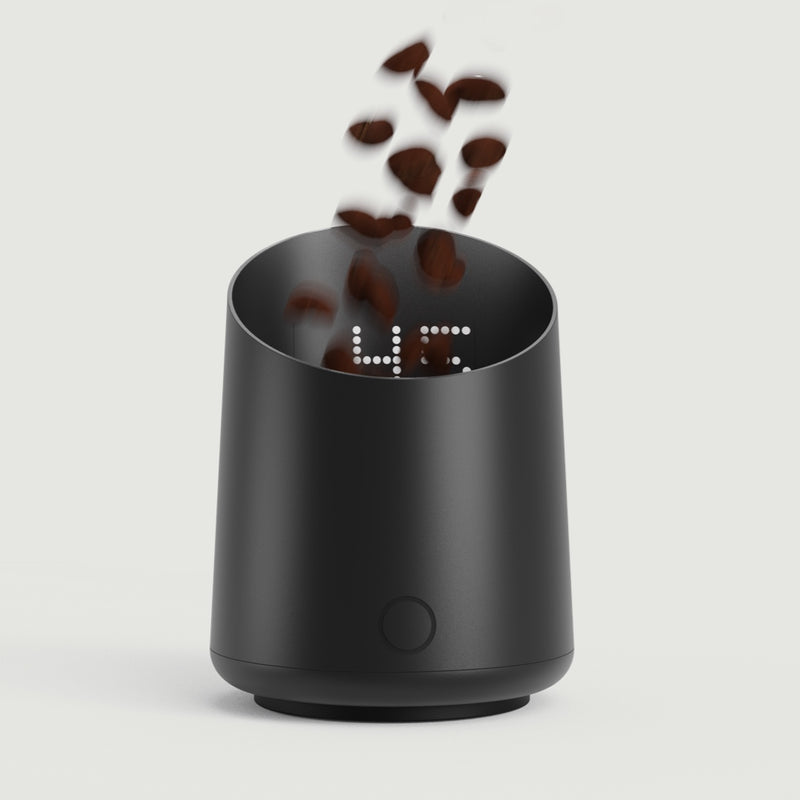
This thing is a game-changer. Do you need a dosing cup and scale in one? No. Does it streamline the brewing process and allow you to enjoy your delicious shot faster, and with less mess? Absolutely. 10/10 would buy again.