What is a piccolo Coffee?
TL;DR
The piccolo latte is a small coffee beverage originating in Australia, made with a shot of espresso and a small amount of steamed milk. It offers a bolder coffee flavor and is served in a small glass or cup. The piccolo's history is contested between Melbourne and Sydney. It is different from a cortado in terms of milk quantity, with the piccolo having more milk. To make a piccolo latte, prepare a ristretto shot and steam milk, then combine the two. The piccolo latte is a popular choice for those who prefer a concentrated and flavorful coffee experience without the larger volume of a regular latte.
A piccolo latte is a type of coffee beverage that originated in Australia. It is a small version of a latte, typically served in a small glass or ceramic cup. The word "piccolo" means "small" in Italian, which describes the size of the drink.
To make a piccolo latte, a shot of espresso is combined with a small amount of steamed milk. The ratio of espresso to milk is usually 1:2 or 1:3, resulting in a stronger coffee flavor than a traditional latte. The milk used in a piccolo latte is typically microfoamed, which means it has a velvety texture with small bubbles.
Due to its smaller size and stronger coffee-to-milk ratio, a piccolo latte is often favored by those who prefer a bolder coffee taste without the larger volume of a regular latte. It is also appreciated for its presentation, as the layers of espresso and milk create an aesthetically pleasing drink.
Coffee enthusiasts who enjoy the rich balance of espresso and textured milk often compare the piccolo latte with other small-format coffee drinks. Understanding the differences between a cortado coffee and similar espresso-based beverages can help highlight how milk ratios, serving sizes, and flavor intensity vary across café favorites. Many baristas and home brewers also explore guides explaining the distinctions between a piccolo, cortado, and macchiato to better appreciate the subtle differences in texture, strength, and presentation.

The origin of the Piccolo latte
The history of piccolos is intriguing, as it reveals their unexpected origins and the passionate debate surrounding their creation. Despite the Italian name, piccolo lattes actually emerged in Australia. Melbourne and Sydney have long been engaged in a fierce rivalry, each claiming to be the birthplace of the beloved piccolo coffee drink.
According to both cities, baristas played a crucial role in the development of the piccolo. Constantly sampling their coffee roasts throughout the day, they found the piccolo-size portion more suitable for tasting than consuming full-sized lattes. This preference eventually led to the inclusion of piccolo coffees on local coffee shop menus in both Melbourne and Sydney, around a decade ago.
Since then, the piccolo has gained immense popularity across Australia, transcending its local origins. It has successfully travelled beyond the country's borders, making its way onto menus in coffee shops around the globe, including bustling cities like New York and London.
What’s the Difference Between a Piccolo and a Cortado?
The piccolo and cortado are both small espresso-based drinks, but they differ in terms of milk quantity and cup size. A piccolo is served in a four-ounce glass and contains about two-thirds of milk to a single shot of espresso. On the other hand, a cortado is made with two shots of espresso and an equal amount of milk. The name "cortado" comes from the Spanish word for "chopped," indicating that the drink is essentially cut in half with equal parts espresso and milk. If you prefer a balanced and milder beverage, the piccolo is a good choice, while the cortado offers a stronger espresso flavour.
How Do You Make A Piccolo Latte?
To make a piccolo latte at home, you will need the following ingredients and steps:
- Prepare a Ristretto shot: A Ristretto shot is a concentrated espresso shot made with a finer grind and less water than a regular espresso. If you have an espresso machine, grind fresh coffee beans finely and extract a shorter shot than usual. The ideal amount is around 15-20 ml of liquid.
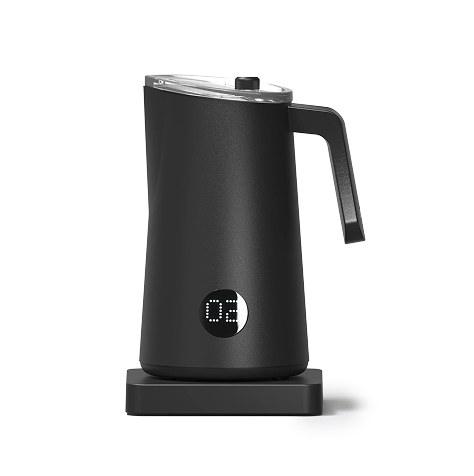
- Steam the milk: Take a small amount of milk, preferably whole milk, and pour it into a milk steaming pitcher. Position the steam wand of your espresso machine just below the surface of the milk, then activate the steam to create a foamy texture. Heat the milk to around 55-65°C (135-165°F), ensuring it is not too hot. Alternatively, if you don't have an espresso machine, you can use the NanoFoamer to achieve rich, smooth microfoam milk at home.
- Combine the Ristretto shot and milk: Pour the prepared Ristretto shot into a small glass or cup. Slowly pour the steamed milk into the glass, allowing it to mix with the espresso shot. The traditional ratio for a piccolo latte is typically one part espresso to two parts milk, but you can adjust the proportions to suit your taste.
- Serve and enjoy: The piccolo latte is typically served in a small glass or cup, similar to a shot glass. It's meant to be enjoyed as a small, concentrated beverage. Sip and savor the rich flavors of the espresso and velvety milk.
Remember, making a piccolo latte coffee requires some skill with an espresso machine and steam wand. If you don't have access to these tools, you can try improvising with a stovetop Moka pot or a French press to make a strong coffee base, then heat and foam the milk separately using a stovetop jug like the FlowTip Jug and a NanoFoamer.
Piccolo Latte vs Other Coffee Drinks: Quick Comparison
Understanding how the piccolo stacks up against other popular espresso drinks helps you appreciate its unique place in the coffee world.
Piccolo vs Latte
While both feature espresso and steamed milk, a latte is significantly larger at around 220ml compared to the piccolo's compact 90-114ml. The piccolo uses a ristretto shot with a 1:2 or 1:3 espresso-to-milk ratio, delivering a punchier, more espresso-forward flavor than the milder latte. Both drinks use similarly textured milk, smooth, stretched, and velvety, but the piccolo's smaller size means every sip carries more coffee intensity.
Piccolo vs Cappuccino
Cappuccinos are larger (140-170ml) and feature milk steamed with more air, creating a distinctly frothy texture poured over espresso in visible layers. The piccolo, by contrast, blends its stretched milk smoothly with the ristretto shot rather than sitting in layers. While both deliver bold coffee flavor, the cappuccino's foam creates a different mouthfeel and lighter overall experience compared to the piccolo's integrated, concentrated profile.
Piccolo vs Flat White
The flat white uses a double shot of espresso and more milk (around 160ml), while the piccolo always features a single ristretto shot. This makes the piccolo significantly smaller and more concentrated. Both drinks use silky microfoam with minimal aeration, but the flat white's larger volume and double shot create a different balance, still strong, but less intense per ounce than the piccolo's tightly packed flavor.
Piccolo vs Macchiato
A macchiato consists of espresso "stained" with just a few teaspoons of frothy milk foam, delivering the strongest coffee experience of these drinks. The piccolo contains significantly more milk (40-60ml) that's steamed to a smooth, velvety consistency rather than frothed. The macchiato is espresso-dominant with minimal milk interference, while the piccolo balances strong coffee with enough milk to soften the edge without diluting the flavor.
Common Mistakes When Making a Piccolo Latte
Even experienced home baristas can stumble when crafting this deceptively simple drink. Avoiding these pitfalls ensures your piccolo delivers its signature concentrated, balanced flavor every time.
Using the Wrong Espresso Base
The piccolo traditionally calls for a ristretto shot, a concentrated, sweeter extraction using less water than regular espresso. Using a standard espresso or, worse, a lungo shot dilutes the drink's characteristic intensity. The ristretto's concentrated sweetness (20-30ml) is what allows the piccolo to shine despite its higher milk ratio. Grind finer than usual and extract for a shorter time to achieve the proper ristretto base.
Overheating the Milk
The ideal milk temperature for a piccolo sits between 55-65°C (131-149°F), slightly lower than for larger drinks. Overheating the milk past 65°C destroys its natural sweetness and introduces a burnt flavor that overwhelms the delicate ristretto. Use a contactless thermometer or the Contactless Digital Thermometer to monitor temperature precisely, stopping just as you reach the sweet spot.
Poor Milk Texture
The piccolo requires silky, stretched microfoam, not the stiff, bubbly foam of a cappuccino. Over-aerating the milk creates large bubbles and a frothy texture that doesn't integrate smoothly with the espresso. Focus on creating tight, glossy microfoam by introducing air only during the initial seconds of steaming, then submerging the wand to heat and texture the milk without adding more air.
Pouring Too Fast or Unevenly
The piccolo's small glass demands controlled, gentle pouring. Pouring too quickly disrupts the drink's balance and can create an unappealing appearance. Pour the steamed milk at a slight angle with some height to encourage mixing with the ristretto, then lower and slow your pour to create a thin foam layer on top. This technique ensures proper integration while maintaining Piccolo's signature look.
Choosing Inappropriate Beans
Dark, over-roasted beans or light, underdeveloped roasts throw the piccolo off balance. The concentrated ristretto amplifies whatever characteristics your beans possess; bitterness becomes harsh, sourness becomes sharp. Select medium to medium-dark roasts with balanced sweetness and low acidity to complement the piccolo's milk ratio and extraction method.
A Good Choice
So, what's the big deal? They may be small in size, but don't underestimate their impact! The piccolo latte offers a delightful blend of ristretto and milk, without leaving you feeling excessively full or bloated. This makes it perfect for coffee enthusiasts who enjoy multiple cups of their beloved caffeinated drink. Whether you crave a swift post-meal coffee boost or prefer to sip on various beverages throughout the day without feeling overly satisfied each time, the piccolo latte is an excellent choice.

Make Perfect Microfoam at Home Today with Subminimal
NanoFoamer Go

Description (NanoFoamer Go):
The compact handheld milk foamer built for real results. We took the world’s best handheld milk foamer, made it smaller, more powerful, and even more versatile. The NanoFoamer GO delivers silky, latte art quality microfoam that rivals commercial espresso machines.
What it does
-
Creates professional microfoam for coffee
-
Mixes protein shakes and matcha
-
Whisks cream, eggs, sauces, and desserts
Three interchangeable impellers give you Mix, Foam, and Whisk modes. Two speeds let you fine tune texture every time.
Power and performance
-
Up to 5,300 RPM high speed
-
4,200 RPM low speed
-
Patented NanoScreen technology
-
Silky liquid velvet microfoam in seconds
Built for everyday and travel
-
Ultra compact at just 76g
-
USB-C rechargeable
-
IPX-4 water resistant for easy rinsing
-
Matching travel case included
-
Available in 10 colours
Every purchase also unlocks exclusive access to the Subminimal latte art masterclass. Whether you want café style flat whites at home, cold foam for iced drinks, or a versatile tool for mixing and whisking, the NanoFoamer GO is designed to perform without the bulk or complexity of traditional gear.
NanoFoamer PRO

Description (NanoFoamer PRO):
Unlock the secret to velvety-smooth, café-style microfoam—without the espresso machine. The NanoFoamer PRO GEN-2 is the ultimate hands-free microfoam maker, designed for coffee lovers who want professional results at home, fast and effortlessly. Whether you're using dairy or plant-based milk, this precision-engineered device transforms your morning routine into a café-quality experience.
Why You’ll Love It
✅ Automatic & Hands-Free – Heat and foam your milk at the same time you're pulling your shot.
✅ Barista-Level Microfoam – Create rich, silky microfoam perfect for latte art.
✅ Works with All Milks – Dairy, oat, almond, soy—thanks to 3 optimized flow controllers.
✅ 5 Custom Programs – Tailor foam thickness and temperature to your drink of choice.
✅ Whisper-Quiet – Smooth operation with magnetic impeller height adjustment for perfect vortex control.
✅ Easy to Clean – IPX-5 water-resistant. Rinse it under the tap—no fuss.
✅ Portable & Sleek – Compact design that fits any kitchen setup.
What’s Included
- NanoFoamer PRO GEN-2 (EU Plug - 220V)
- 3 Flow Controllers (Black for dairy, Blue/Green for plant-based milks)
- Impeller height adjuster
- Free Latte Art MasterClass
- 30-Day Guarantee
- 1-Year Limited Warranty
Product Specs
- Dimensions: 12 × 12 × 20 cm
- Weight: 800g
- Power: 400W
-
Voltage: 220V (EU Plug)
-
Capacity: 100–220 ml
-
Water Resistance: IPX-5
-
Cord Length: 70 cm
The NanoFoamer PRO Gen-2 is engineered for perfectionists, busy mornings, and passionate home baristas alike. Ditch the noisy steam wands and inconsistent frothers—Subminimal brings you microfoam that rivals your favorite café, right at home.
NanoFoamer

Description (NanoFoamer):
Create silky, café-style microfoam in seconds with the Subminimal NanoFoamer – the world’s best handheld milk foamer designed for serious home baristas. Whether you’re perfecting a cappuccino, crafting a creamy flat white, or elevating your matcha latte, the NanoFoamer delivers superfine microfoam worthy of any coffeehouse.
Why NanoFoamer?
-
True Microfoam Technology – Unlike standard frothers, the NanoFoamer creates invisible microbubbles that result in smooth, velvet-like milk – perfect for latte art.
-
Battery or Rechargeable Options – Choose between the V2 (AA battery-powered) or the upgraded Lithium (USB-C rechargeable) model with dual-speed settings.
-
Compatible with Dairy & Milk Alternatives – Designed to work beautifully with barista-style oat, almond, soy, or dairy milks.
-
Easy to Use, Easier to Clean – Waterproof and intuitive, with upgraded clip-on NanoScreens and a replaceable polycarbonate impeller for durability and performance.
What’s Included:
-
NanoFoamer (V2 or Lithium)
-
2 NanoScreens: Fine & Superfine
-
Protective Hood
-
Wall Mount
-
Free Latte Art Masterclass
Technical Specs:
|
Feature |
V2 |
Lithium |
|
Power |
2 × AA Batteries |
USB-C Rechargeable (1300mAh) |
|
Speed |
3,000 RPM |
Dual Speed: 3,000 & 4,000 RPM |
|
Weight |
104g |
135g |
|
Waterproof |
✅ |
✅ |
|
NanoScreens |
Fine & Superfine |
Fine & Superfine |
|
Impeller |
Replaceable Polycarbonate |
Replaceable Polycarbonate |
Discover Subminimal products and elevate every drink.
Discover Also:
Piccolo Latte Calories and Nutrition Facts
The calorie content in a piccolo latte changes with the milk chosen for the drink. Whole milk brings a rich creaminess while skim milk or plant based alternatives offer lighter options. Many enjoy how the small serving size keeps the overall intake modest compared to bigger coffee beverages. In setups that rely on accurate dosing the Subscale supports careful measurement like the piccolo latte. Some people track how different milks affect the drink while others focus on balance. The ristretto base pairs with the milk in ways that many find satisfying without heaviness.
How Much Caffeine Is in a Piccolo Latte?
Caffeine levels in a piccolo latte come primarily from its ristretto shot base. This concentrated extraction delivers a solid boost in the compact drink. People who want a strong yet small coffee often pick the piccolo latte for this reason. The milk portion softens the intensity without removing the kick that many seek. Short pulls create the profile that fits busy mornings or afternoon pickups.
What Does a Piccolo Coffee Taste Like?
A piccolo coffee tastes like a short, sweet espresso that still has room for milk. The first sip is coffee-forward. Then the milk rounds the edges. The finish stays clean, not heavy. That flavor comes from a ristretto base. The shot stops early, so more of the sweet oils stay in the glass and less of the dry, bitter tail comes through. A little textured milk sits on that base. You taste the roast first. The dairy comes second. People who drink a flat white often expect the same silky milk here. The texture is related. The balance is not. A piccolo is smaller, so the coffee note stays louder from the first sip to the last.
A good piccolo usually tastes like this:
-
Sweet and dense at the start, closer to caramel or cocoa than to sharp acidity
-
Smooth in the middle, because the milk is stretched into thin microfoam, not a dry foam cap
-
Short at the end, with a light coffee aftertaste instead of a milky film
The milk should look wet and glossy, the same kind of pour used for a small latte pattern. Stiff bubbles mute the shot. Thin, shiny milk lets the ristretto show through. A handheld electric milk frother or a milk steamer can make that fine texture when a steam wand is not part of the setup. Roast choice changes the cup fast. A medium roast with body often reads as chocolate and nuts. A brighter bean can taste floral or citrus, even in this small format. Dark, oily coffee can turn harsh once the volume is this low.
A piccolo also sits next to other short drinks in a useful way. A cortado coffee is flatter and more espresso-even. An espresso macchiato is almost all shot, with only a mark of foam. A Melbourne Magic uses a double ristretto and more milk. The piccolo is the sweet single-shot version of that Australian short-milk style. Side-by-side notes on piccolo, cortado, and macchiato make those small shifts easier to taste. If the cup tastes sharp, the shot ran too long. If it tastes thin and milky, the glass was too big or the pour was too fast. When the ratio is right, the drink feels complete in a few sips and still tastes like coffee.
Piccolo Coffee Size, Ratio, and Serving Glass
Size is the recipe. Change the glass and the drink changes with it. A piccolo latte is a small milk coffee built around one short shot. Cafes usually pour it as a single ristretto with enough steamed milk to fill a 3 to 4 oz vessel. That keeps the drink in the 90 ml to 114 ml range already used for this style.
The working build looks like this:
-
Coffee: one ristretto, about 15 to 20 ml
-
Milk: enough silky microfoam to fill the rest of the glass
-
Ratio: about 1:2 or 1:3 coffee to milk
-
Serve: a small glass or a small ceramic cup, often around four ounces
The glass is common because you can see the crema mix with the milk. A small cup works too, as long as the volume stays short. A wide latte mug adds extra milk by accident. Then the piccolo turns into a weak mini latte. Heat matters in a vessel this small. A warm glass holds the drink together. A cold glass pulls the temperature down before you finish it. Preheat the vessel with hot water, empty it, then pull the shot into it.
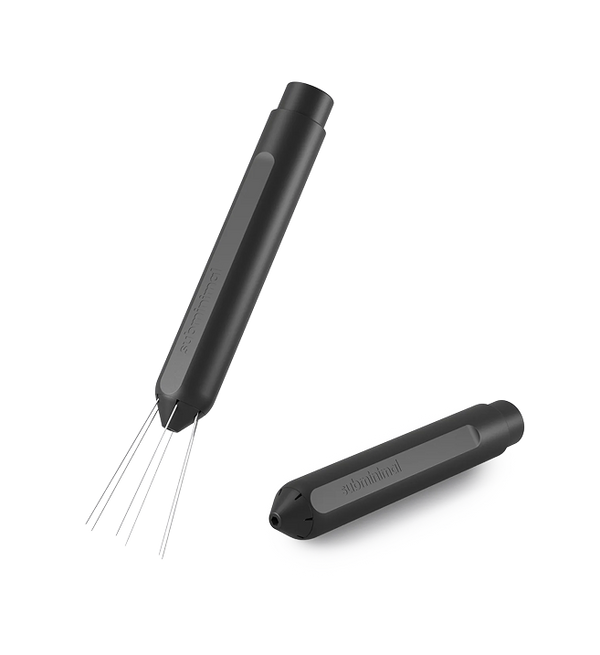
The pour needs the same care. Start a little higher so the milk joins the ristretto. Lower the jug near the end so a thin foam line sits on top. A FlowTip milk jug helps that last ribbon stay tight. The shot side of the drink is just as tight. A ristretto uses the same coffee dose as a regular espresso, with less water. Even grounds help that short pull stay sweet. A Flick WDT tool breaks clumps in the basket. A Subscale keeps the dose steady from bean to grind. An UpShot under a bottomless portafilter shows whether the puck is flowing evenly before the milk goes in.
Those steps live in the same workflow as other products for coffee: dose, distribute, extract, then texture a small amount of milk. The piccolo does not need a tall foam cap. It needs a short, even shot and a small, shiny pour. A quick size check before you drink it:
-
The glass should look full, not half empty
-
The foam layer should be thin
-
The coffee color should still show through the milk
-
The whole drink should feel finished in a few sips
If you need more volume, that is a different drink. Keep the piccolo small and the flavor stays in focus.
Latest News In 2026
Home setups for short milk drinks got simpler this year. The focus moved toward small-batch texture: less air, tighter bubbles, and tools that can handle a 90 ml drink without turning the milk into a cappuccino cap. The NanoFoamer PRO Gen-2 added finer low-foam programs and an impeller-height tweak that suits tiny drinks. Program 1 is the setting many people now use when the cup is a piccolo, not a large latte. The NanoFoamer GO showed up in travel kits for the same reason. It is small enough for a hotel mug, yet it still makes the glossy microfoam a piccolo needs.
USB-C wands stayed in the conversation too. Chargeable motors hold speed on a short spin, which is useful when you only texture a little milk. The best chargeable milk frother in 2026 and best USB rechargeable milk frother in 2026 pieces follow that change. On the espresso side, short drinks pushed puck prep back into view. A ristretto hides fewer mistakes than a long milk drink. The current best barista tools in 2026 roundup puts dosing cups, WDT tools, and shot mirrors next to milk gear for that reason. The best sellers setup now often means one tool for the puck and one tool for a small pour of microfoam. The drink itself did not change. The way people make it at home did. Smaller foam programs, travel foamers, and tighter espresso prep are the 2026 pattern around the piccolo.
FAQ
What milk alternatives work well in a piccolo latte?
Oat milk creates a naturally sweet and creamy base that blends smoothly with the ristretto shot in a piccolo latte. Almond milk brings a lighter nuttiness while coconut milk adds subtle tropical notes that many enjoy in their daily coffee. Soy milk offers good structure for stable foam. The NanoFoamer PRO makes achieving the right emulsion straightforward even with these plant based options.
Why do some prefer a piccolo latte over larger drinks?
Some coffee lovers enjoy the piccolo latte because it highlights the espresso character in a compact serving that supports tasting several different coffees without overwhelming the palate. The smaller format feels practical when moving between various drinks throughout the day. This balance between strong coffee and gentle milk makes it satisfying yet light for those who rotate through multiple beverages.
How important is milk texture for a good piccolo latte?
Milk texture plays a major role in how the espresso and milk combine in a piccolo latte. Velvety microfoam creates a cohesive mouthfeel that elevates the overall experience beyond simple mixing. Without the right texture the drink can feel separated or uneven. Devices such as the NanoFoamer help produce the fine bubble structure many seek for repeatable results.
Can the piccolo latte fit into different coffee routines?
The piccolo latte suits both quick morning boosts and slower tasting sessions later in the day. Its concentrated nature works well when someone wants bold flavor without committing to a full sized beverage. Many people include it as part of their regular rotation because of how easily it fits into busy schedules or relaxed home setups.
What tools help with consistent piccolo latte preparation?
Consistent results come from even coffee distribution and accurate measurements when making a piccolo latte. The Flick WDT Tool helps create uniform puck preparation for better ristretto shots every time. Pairing it with the Subscale supports precise dosing that serious home baristas rely on for repeatable quality across batches. Quality milk frothing equipment such as the NanoFoamer contributes to reliable texture in every serving.
Is a piccolo the same drink as a piccolo latte?
Yes. On most cafe boards, piccolo and piccolo latte point to the same short milk coffee. The extra word latte only tells you the milk is stretched like a tiny latte, not dumped in as hot liquid. If a menu lists both names, staff usually mean one build: a single short shot finished with a little textured milk. The confusion starts when someone hears latte and expects a tall glass. The name is Italian for small. The drink stays small too.
Does a piccolo always need a ristretto?
Traditional service uses a ristretto because the shorter yield keeps sweetness in a cup that has very little milk. A regular espresso can still make a pleasant piccolo when the beans are already balanced. The risk is the late part of a longer shot, which can taste dry once dairy is added. Some machines have a ristretto button. Others just stop the pour early. Either path is fine if the cup tastes round instead of sharp.
Why does a piccolo lose heat so quickly?
The drink has a high surface area for its volume, so warmth leaves the glass in a hurry. Thin glass loses heat faster than a thicker cup. A cold vessel steals even more. That is why baristas rinse the glass with hot water first and pour as soon as the milk is ready. A milk thermometer helps keep the milk in a sweet range without cooking it. Drink it while the crema and milk still look joined.
Can you pour latte art on a piccolo?
A small heart or a short line can sit on a piccolo when the milk is glossy and the glass is already nearly full. There is not enough surface for a wide rosetta. The art is a side effect of good texture, not the goal of the drink. A NanoFoamer or similar coffee milk frother is what creates that pourable sheet of bubbles in a home kitchen.
Is a piccolo a single shot or a double shot?
A piccolo is built on a single shot. That is the rule that keeps it lighter than other Australian short milks. A double shot in the same tiny glass crowds the milk and pushes the drink toward a cortado or a Magic. If a cafe asks “single or double?” for a piccolo, the classic answer is single. People who want more caffeine in a similar style usually move to a different drink instead of stacking extra espresso into the same 4 oz glass.
Can a piccolo be served iced?
An iced piccolo is a home and summer variation, not the original hot cafe pour. The same short shot still does the work. The milk stays cold and only lightly aerated so ice does not knock a dry foam cap apart. Too much ice waters the ristretto down and the drink tastes like a weak iced latte. A cold milk frother keeps the texture dense enough to sit on the coffee. Serve it at once. Cold foam fades if it waits.
How do you know the glass is the right size?
The right vessel disappears behind the drink. After the shot and milk go in, there should be little empty space and little leftover milk in the jug. If the coffee looks pale from rim to rim, the glass asked for more dairy than a piccolo uses. Demitasse glasses and small tulip cups both work. Mixing glasses built for a full latte do not. When the crema still shows as a band through the side of the glass, the volume is in the right neighborhood.
How is a piccolo different from a Magic?
Both drinks come from Australian bars and both like ristretto. The piccolo is one short shot in a tiny glass, closer to a baby latte. A Melbourne Magic uses two ristretto shots and a little more milk in a compact cup. The Magic feels heavier and is often a morning drink. The piccolo is the one people sip between tasks because it is shorter. Same family. Different dose.
What grind works best for the piccolo shot?
Use your normal espresso grind, then watch the flow. A ristretto has less water to hide channeling, so clumps show up as blonde streaks and a thin, sour cup. A WDT tool evens the bed before the tamp. If the shot gushes, go finer. If it crawls and tastes dull, open the grind a notch. Dose weight belongs in the same habit. A digital dosing cup with a built-in scale keeps that number stable when the drink is too small to hide a heavy or light basket.
Should the foam sit on top or mix into the coffee?
It should mix. A piccolo is a blended short latte, not a marked espresso. The milk joins the ristretto so the color turns to one warm tan, with only a thin shine on top. A floating white cap means the milk took in too much air, closer to cappuccino foam. That texture belongs in other drinks. For this one, the pour from a frothing milk jug should look like a single ribbon sinking into the shot.
Related to this blog:
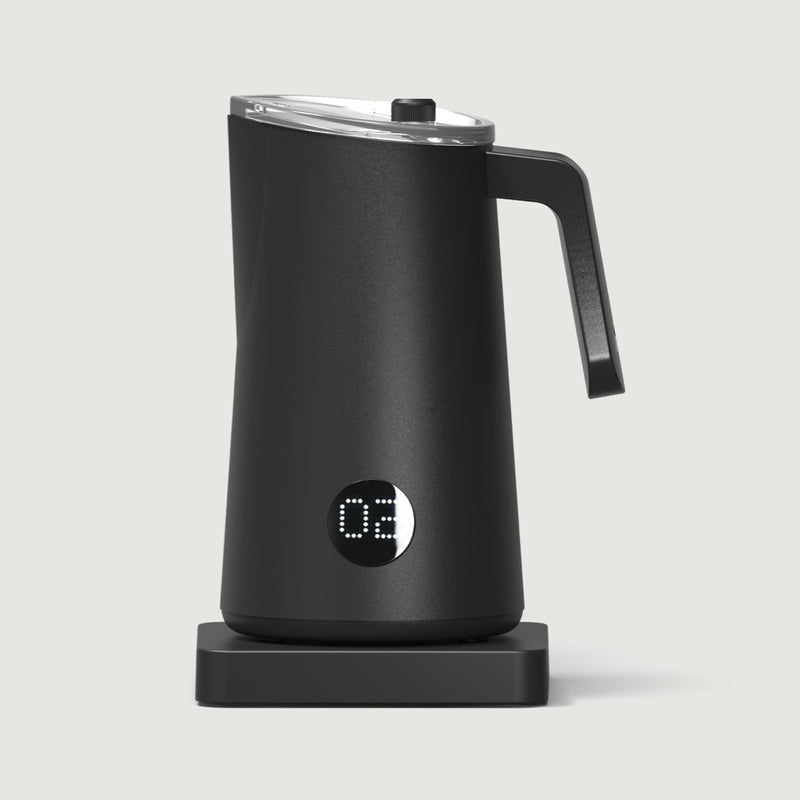
The milk is frothed perfectly! This is an ultimate barista, and the temperature is exactly right! Any other devices that we tried cannot warm up the milk to more than 60 degrees, which makes the coffee average, but this one is mixing the foam and it is perfect for busy mornings! Looooove it!