Best Milk Frothing Pitchers in 2026
Choosing the right milk pitcher transforms your latte art from average to exceptional. The best milk frothing pitchers combine precision spouts, ergonomic handles, and quality stainless steel to give you total control over milk flow and microfoam texture. Whether you're a home barista or professional, the right pitcher makes pouring hearts, rosettas, and tulips significantly easier. Explore premium barista tools designed to elevate your coffee game. Discover the Best Milk Frothing Pitchers in 2026
Explore the complete collection of premium milk frothing pitchers - Subminimal
Key Features That Make a Great Milk Frothing Pitcher
Talking about what makes a great milk frothing pitcher, the Spout design directly impacts your pouring control and latte art precision. Sharp, pointed spouts create clean lines and detailed patterns, while rounded spouts produce bolder, more dramatic designs. The spout should align perfectly with the handle to give you centered, symmetrical pours every time.
Material quality matters for heat retention and durability:
-
304 stainless steel (18/8 food grade) resists rust and corrosion
-
Thicker gauge steel (0.8mm-1mm) maintains temperature longer
-
Teflon or matte coatings reduce fingerprints and scratches
Handle ergonomics affect your comfort during extended pouring sessions. Look for handles with comfortable grip angles that support various holding techniques. Some pitchers feature traditional loop handles, while innovative designs like ribbon or handleless options offer unique control benefits.
Capacity sizing determines how many drinks you can make efficiently. A 12oz (350ml) pitcher works well for single servings, a 15-18oz (450-530ml) handles most home use perfectly, and a 20oz+ (600ml) suits commercial settings or multiple drinks. Volume markings inside help minimize milk waste and ensure consistent results.
Understanding Milk Pitcher Spout Shapes
Different spout designs produce distinct pouring characteristics that suit specific latte art styles. Eagle beak or crocodile spouts feature ultra-sharp points that create precise, thin lines perfect for intricate details like leaves and feathers. These require steady hands but reward you with exceptional definition.
Fluted or V-shaped spouts balance versatility with control. They pool milk effectively at the tip, giving you a smooth, steady stream that works for both basic patterns and advanced designs. This middle-ground option suits beginners learning fundamentals while still satisfying experienced baristas.
Rounded spouts excel at bold, dramatic patterns:
-
Wider openings create faster milk flow
-
Better for wave patterns and large designs
-
Easier for beginners to control initial contact
-
Produces high contrast in the second pours
The relationship between spout angle and body curvature affects how milk travels from pitcher to cup. Diversion grooves or trenches guide milk flow smoothly toward the spout, reducing turbulence and improving oscillation clarity during wiggle pours.
Top 9 Best Milk Frothing Pitchers in 2026
1. Subminimal - Best Milk Frothing Pitchers in 2026

Description (FlowTip Milk Jug):
Sleek Precision for Perfect Latte Art: The FlowTip Milk Jug is a patented, ergonomically designed pitcher engineered to empower coffee enthusiasts to create stunning cafe-quality latte art at home. Available in two variations, handled and handleless, this versatile jug caters to different pouring preferences and grip styles. The handled version features a heat-resistant phenolic resin handle that stays cool even when heating milk directly on stovetops, while the handleless model comes with a silicone sleeve offering maximum control for purists seeking direct connection with their pour. Both versions share a signature smooth neck that enables effortless side-to-side rippling for beautiful rosetta patterns and hearts, combined with a sharp precision tip for fine finishing details that make your latte art stand out. The custom spout design strikes the perfect balance, easy enough for beginners to learn quickly, yet precise enough for advanced baristas to execute intricate designs. Heat milk directly on electric and gas stovetops, or use an induction diffuser for induction cooktops, then pour flawlessly from stovetop to cup. Includes free access to Latte Art MasterClass to help you master your pouring technique.
Key Features:
-
Two Design Options: Choose between handled version or sleek handleless model with silicone sleeve
-
Smooth Neck Design: Enables effortless side-to-side rippling for beautiful latte art patterns
-
Sharp Precision Tip: Allows fine finishing details and intricate design work
-
Stovetop Compatible: Works directly on electric and gas stovetops (induction diffuser required for induction)
-
Heat-Resistant Handle: Phenolic resin handle stays cool to touch even when heating on stovetops
-
Silicone Sleeve Option: Handleless version includes comfortable, heat-protective silicone sleeve
-
Ergonomic Design: Perfectly balanced for all grip styles and comfortable during prolonged use
-
Custom Spout Engineering: Beginner-friendly yet precise enough for professional-level latte art
-
Patented Design: Unique construction protected by patent for quality assurance
-
Dishwasher Safe: Easy cleanup after every use
-
Black Coating: Sleek black finish (white also available in handleless version)
-
450ml Capacity: Perfect 15oz size for single or double cappuccinos and lattes
-
Free Masterclass: Complimentary Latte Art MasterClass access included
Tech Specs Comparison:
|
Specification |
FlowTip Black (Handled) |
FlowTip Handleless |
|
Capacity |
450ml (15 oz) |
450ml (15 oz) |
|
Dimensions |
110 x 82 x 120 mm |
110 x 82 x 82 mm |
|
Weight |
250 grams (8.8 oz) |
240 grams (8.5 oz) |
|
Finish |
Black coated |
Black or White |
|
Handle Material |
Phenolic Resin (heat-resistant) |
Silicone sleeve |
|
Dishwasher Safe |
Yes |
Yes |
|
Microwave Safe |
No |
No |
|
Patented |
Yes |
Yes |
|
Rating |
4.6 out of 5 stars (156 reviews) |
4.6 out of 5 stars |
What's Included:
-
1 x FlowTip Milk Jug (handled or handleless version selected)
-
1 x Silicone sleeve (handleless version only)
-
Free Latte Art MasterClass access
-
Quick start guide
-
30-day returns
-
Limited warranty
How to Use:
Heating Milk on Stovetop:
-
Pour cold milk into FlowTip jug (fill to just below spout for optimal foaming)
-
Place directly on electric or gas stovetop at medium heat
-
For induction cooktops, use an induction diffuser plate
-
Heat to 60-70°C (140-158°F) while aerating if using manual frother
-
Handle stays cool to touch thanks to heat-resistant phenolic resin construction
Pouring Latte Art:
-
Grip Selection: Hold handled version by ergonomic handle, or grip handleless version with silicone sleeve for maximum control
-
Starting Position: Hold jug high above cup and begin pouring thin stream into center of espresso
-
Lower and Widen: As cup fills, lower jug closer to surface and increase flow
-
Create Patterns: Use smooth neck for side-to-side rippling to create hearts and rosettas
-
Finish Details: Utilize sharp tip for precise finishing strokes and intricate details
-
Practice: Access free Latte Art MasterClass for techniques and pro tips
Handleless vs. Handled:
-
Handleless: Maximum control with direct grip, compact design, perfect for purists who want tactile connection with pour
-
Handled: Comfortable for prolonged use, heat protection from stovetop heating, ergonomic for all hand sizes
Care & Maintenance:
-
Dishwasher safe for easy cleaning
-
Hand wash recommended to preserve black coating longevity
-
Rinse immediately after use to prevent milk residue buildup
-
Not microwave safe
-
Dry thoroughly before storage
-
Silicone sleeve (handleless version) can be removed for separate cleaning
Stovetop Compatibility:
-
Electric Stovetops: Compatible, use directly
-
Gas Stovetops: Compatible, use directly (heat diffuser plate recommended for even heating)
-
Induction Cooktops: Requires induction diffuser plate (not included)
-
Heating Tips: Medium heat recommended, avoid overheating which can scald milk
2. Fellow

Fellow's Eddy Steaming Pitcher brings innovative design thinking to milk steaming with its unique sharp front crease that runs the full length of the body. Available in 12oz (355ml) and 18oz (532ml) capacities, this pitcher features 304 18/8 stainless steel in polished steel or graphite finishes.
-
Sharp crease moves milk forward toward spout for intuitive pouring
-
Fluted spout creates precise milk stream ideal for detailed latte art
-
Tapered body spins milk consistently for silky microfoam
-
Ribbon handle design offers multiple comfortable grip options
-
Internal measurement markings (10oz in 12oz model, 12oz in 18oz model)
-
Pros: Excellent for fine detail work, comfortable versatile handle, dishwasher safe
-
Cons: Premium pricing, ribbon handle requires adjustment period
-
Headquarters: San Francisco, USA
3. Barista Hustle

The Barista Hustle Precision Milk Pitcher emphasizes perfect alignment and consistency with its centered handle and spout design. This 400ml (approximately 12oz) pitcher features precise manufacturing tolerances that eliminate common issues like angled handles or off-center spouts.
-
Exact handle and spout alignment through center of mass
-
Spout shaped for precisely controlled pouring
-
Convenient 50ml volume markings from 100ml to 400ml
-
304 stainless steel construction
-
Practical capacity around 200-300ml (8-9oz) for optimal steaming
-
Pros: Superior alignment reduces crooked pours, clear volume graduations minimize waste, well-balanced design
-
Cons: Smaller capacity limits larger drinks, straightforward design lacks unique features
-
Headquarters: Melbourne, Australia
4. WPM

WPM's collaboration with Slow Pour Supply produces specialized pitchers designed for championship-level latte art performance. Available in multiple sizes (10oz, 15oz, 17oz, 22oz) with narrow or round spout options, these pitchers feature the signature slanted top design with volume indicators.
-
Round spout creates dramatic, bold lines for wave patterns
-
Narrow spout option for finer detailed work
-
Signature WPM slanted top with volume indicators
-
Full handle accommodates various gripping styles
-
304 18/8 stainless steel with uncoated food-safe interior
-
Wide diameter promotes optimal milk rotation
-
Pros: Used by national champions and competition winners, multiple size/spout combinations, excellent flow control
-
Cons: Learning curve for specialized spout designs, premium pricing
-
Headquarters: Taiwan
5. MHW-3Bomber

MHW-3Bomber offers an extensive range of milk pitchers featuring innovative designs like the Turbo, GT, and 3.0 models. Their flagship 3.0 pitcher features a revolutionary crocodile spout with dual-curved guide grooves for exceptional pattern definition.
-
Crocodile cylinder mouth design with sharp spout for clear pour definition
-
Dual-curved diversion trenches ensure steady, abundant milk flow
-
Turbo design promotes high-speed milk rotation for superior foam fusion
-
Eagle beak spout variations on different models
-
Thickened SUS304 stainless steel construction
-
Ergonomic handles with double arc underside for natural grip
-
Multiple capacity options (350ml, 450ml, 520ml, 600ml)
-
Pros: Wide model selection for different techniques, innovative spout designs, excellent value pricing
-
Cons: Sharp spouts require steady hand control, some models heavier than competitors
-
Headquarters: China
6. Normcore

Normcore's Handleless Milk Pitcher offers a completely unique approach with its no-handle design that provides maximum flexibility and control. The 450ml (15.2oz) capacity pitcher features premium 1mm thick stainless steel with double-coated Teflon finish in black.
-
Revolutionary handleless design enables unrestricted grip positioning
-
Heat-resistant silicone sleeve protects hands during use
-
Accurate wide spout balances steam wand for easy steaming
-
Non-stick coating resists scratches and maintains appearance
-
Angled spout shape provides precise flow control
-
Suitable for all steam wands
-
Pros: Unmatched flexibility for custom grip techniques, excellent for advanced latte art, heat-resistant sleeve effective
-
Cons: Unconventional design requires adaptation, limited color options, no warranty information
-
Headquarters: Singapore
7. De'Longhi

De'Longhi's classic milk frothing jug delivers Italian craftsmanship in a straightforward, reliable design. Available in 12oz (350ml) and 17oz (500ml) capacities, this brushed stainless steel pitcher focuses on fundamental functionality.
-
Luxurious brushed/mirrored stainless steel finish
-
V-shaped spout designed for smooth, steady pouring
-
Ergonomic handle allows double grip on handle or jug body
-
Feel temperature changes through thin steel walls
-
Suitable for all milk types
-
Dishwasher safe for easy cleaning
-
Pros: Excellent build quality, made in Italy, affordable pricing, perfect size for home use
-
Cons: No measurement markings, basic design lacks advanced features, smaller capacity limits versatility
-
Headquarters: Treviso, Italy
8. Amrules

Amrules milk frothing pitchers provide budget-friendly options without sacrificing essential quality. Available in 12oz (350ml) and 20oz (600ml) capacities, these pitchers feature 18/8 food-grade stainless steel with mirror exterior finish.
-
Clear laser-printed measurement markings inside
-
Smooth mouth design pools milk for steady pouring
-
Hairline finish interior reduces residue buildup
-
Heat-resistant handle for comfortable grip
-
Mirror polish exterior looks professional
-
304 stainless steel won't rust or corrode
-
Pros: Excellent value pricing, clear volume markings, suitable for beginners, durable construction
-
Cons: Basic spout design limits advanced techniques, thinner steel affects heat retention, and minimal brand support
-
Headquarters: China
9. Jibbijug

Jibbijug pitchers from Australia combine featherlight construction with ultra-sharp spouts designed for competition-level latte art. The Supermagic 420ml model weighs just 170g with 0.7mm thickness, while other models vary from 145g to 200g depending on design.
-
Ultra-sharp eagle beak spout creates clean, defined lines
-
Featherlight design (145g-200g) enables micro-movements
-
Laser-welded ergonomic handles for precision grip
-
Slanted top design with various thickness options (0.7mm-0.8mm)
-
Multiple models (Supermagic, Magic, Laser, Airforce) for different techniques
-
Official JIBBIJUG logo authentication
-
Perfect for 3-12oz cups, some models handle up to 300ml
-
Pros: Lightest pitchers available, exceptional for advanced shadow and animal patterns, competition-proven designs
-
Cons: Sharp spouts demand precision and practice, variations in alignment within tolerance, not ideal for beginners
-
Headquarters: Melbourne, Australia
Choosing the Right Pitcher Size for Your Needs
Pitcher capacity should match your typical drink sizes to optimize milk steaming and minimize waste. For single 6-8oz drinks like cortados and flat whites, a 10-12oz pitcher gives you tight control over small volumes. The compact size makes it easier to maintain a proper milk vortex and creates less waste when you only need 4-6oz of frothed milk.
Home baristas making 8-12oz lattes benefit most from 15-18oz (450-530ml) pitchers. This sweet spot capacity handles standard drink sizes while leaving enough headroom for milk expansion during frothing. You can comfortably steam 8-10oz of liquid milk, which froths to the perfect volume for cappuccinos and lattes. Check out the Subscale coffee scale to measure milk precisely.
Commercial settings or multiple-drink preparation require larger options:
-
20oz (600ml) pitchers handle 12-16oz drinks or two small drinks simultaneously
-
22oz+ capacities suit batch preparation for busy periods
-
Larger volumes maintain better temperature during extended pours
Remember that pitchers work best when filled between one-third and two-thirds capacity. Overfilling prevents proper milk rolling, while underfilling makes temperature control difficult. Match your pitcher size to your most common drink orders rather than buying the largest available.
Stainless Steel Quality and Why It Matters
The grade of stainless steel significantly impacts your pitcher's performance and longevity. 304 stainless steel (also labeled 18/8, indicating 18% chromium and 8% nickel) represents the industry standard for food-grade applications. This austenitic steel resists corrosion from milk acids and cleaning chemicals while maintaining structural integrity through temperature changes.
Thickness affects both durability and heat retention characteristics. Pitchers with 0.8-1mm walls feel substantial in your hand and maintain milk temperature longer during pouring. Thinner 0.6-0.7mm construction creates lighter pitchers that respond quickly to hand movements but cool faster and feel less premium.
Some manufacturers use SUS304 (Japanese Industrial Standards designation), which equals 304 stainless steel quality. Avoid pitchers marked as 201 stainless steel, which contains less nickel and shows inferior corrosion resistance over time. The lower-grade material may develop rust spots or discoloration with regular use.
Surface finishes protect the base metal and affect cleaning ease. Mirror-polished exteriors look stunning but show fingerprints and water spots easily. Brushed or matte finishes hide minor scratches better and maintain their appearance longer. Teflon or powder coatings add scratch resistance and can provide better grip texture. Explore more coffee preparation accessories for your setup.
Mastering Milk Temperature for Perfect Microfoam
Temperature control separates good microfoam from exceptional texture. Ideal steaming temperature ranges from 130-150°F (55-65°C), where milk proteins restructure without breaking down. Below 130°F produces weak, bubbly foam, while temperatures above 160°F denature proteins and create a burnt, unpleasant flavor.
Professional baristas rely on touch to gauge temperature through the pitcher walls. Place your hand on the pitcher base when starting to steam. When the metal becomes too hot to comfortably hold (typically around 140°F), your milk approaches the ideal range. This hand-feel technique works because stainless steel conducts heat efficiently.
Visual and audio cues supplement temperature awareness:
-
Milk volume increases by roughly one-third when properly textured
-
The steam wand sound changes from rattling to smooth hissing
-
Surface bubbles disappear as microfoam integrates
-
Swirling shows glossy, paint-like consistency
For precise temperature control without steam wands, consider the contactless thermometer, which provides instant readings. Stovetop heating in pitchers like the FlowTip requires more attention since heat builds gradually. Heat to 130°F, remove from heat, and froth immediately as the temperature continues rising several degrees.
Caring for Your Milk Frothing Pitcher
Rinse your pitcher immediately after each use to prevent milk residue from drying and hardening. Cool or lukewarm water works best initially since hot water can cook milk proteins onto the surface. Swirl water around the interior, paying attention to the spout area where milk tends to accumulate.
Daily cleaning requires dish soap and a soft sponge or cloth. Avoid abrasive scrubbers that scratch stainless steel surfaces, creating microscopic grooves where bacteria can grow. Clean the spout thoroughly using a small brush or folded cloth to reach into the narrow channel. The handle attachment points also need attention since milk can seep into crevices during vigorous frothing.
Most stainless steel pitchers are dishwasher safe, but hand washing extends their lifespan and maintains finish quality. If using a dishwasher, place pitchers on the top rack away from heating elements. Remove promptly after the cycle completes to prevent water spots from forming.
Deep cleaning removes built-up milk fats and calcium deposits:
-
Soak in warm water with white vinegar (1:1 ratio) for 15-20 minutes
-
Use a baking soda paste for stubborn stains or discoloration
-
Rinse thoroughly and dry completely to prevent water marks
Store pitchers in a dry location with good air circulation. Avoid stacking wet pitchers inside each other, which traps moisture and can cause odors or corrosion over time. Coated pitchers need extra care to avoid chipping the finish at contact points.
FAQ
What size milk pitcher is best for latte art beginners?
A 15-18oz (450-530ml) milk pitcher offers the best balance for beginners learning latte art. This size handles standard 8-12oz drinks while providing enough space for proper milk rolling during steaming. Smaller 12-oz pitchers work for cortados but limit your practice to tiny volumes, while larger 20-oz+ options feel unwieldy when developing fundamental pouring control. The mid-range capacity forgives minor overfilling mistakes and gives you room to develop a consistent technique. Pair your pitcher with quality frothing tools like the NanoFoamer Pro for optimal results.
Does spout shape really affect latte art quality?
Spout shape dramatically influences your pouring precision and pattern definition. Sharp, pointed spouts concentrate milk flow into a thin stream that creates fine lines and detailed work like feathers and leaves. Rounded spouts produce wider, faster flow ideal for bold tulips and wave patterns with high contrast. The spout's interior channel design matters too - smooth transitions prevent turbulence that disrupts your pour. Fluted or V-shaped spouts balance versatility, working for both basic and advanced techniques. Match your spout to your skill level and preferred patterns rather than assuming one design suits everything.
Can I use any milk pitcher on a stovetop?
Only specific milk pitchers designed with heat-resistant handles work safely on stovetops. Most traditional pitchers feature handles that conduct heat or use materials that melt or degrade under direct flame. The Subminimal FlowTip specifically incorporates heat-resistant handle construction that stays cool during stovetop heating on gas, electric, or induction surfaces. Standard pitchers risk damage or burns if used this way. If your pitcher lacks explicit stovetop compatibility claims, heat milk separately in a pot or use a steam wand instead. Check out espresso preparation tools that complement stovetop-safe pitchers.
How do I prevent milk from sticking to my pitcher?
Immediate rinsing after each use prevents most milk buildup issues. Pour out the remaining milk, fill the pitcher with cool water, swirl thoroughly, and drain completely. This 10-second routine removes milk proteins before they bond to steel surfaces. For pitchers with coatings, avoid abrasive scrubbers that damage the protective layer and create rough spots where milk adheres more easily. If residue develops, soak in warm water with white vinegar for 15 minutes before washing normally. Proper milk temperature also helps - overheated milk above 160°F denatures proteins that stick more aggressively to metal surfaces.
Shop the best milk frothing pitchers at Subminimal and transform your latte art today. Discover the complete range of barista tools and accessories designed for coffee perfection at home or in your café.
Related to this blog:
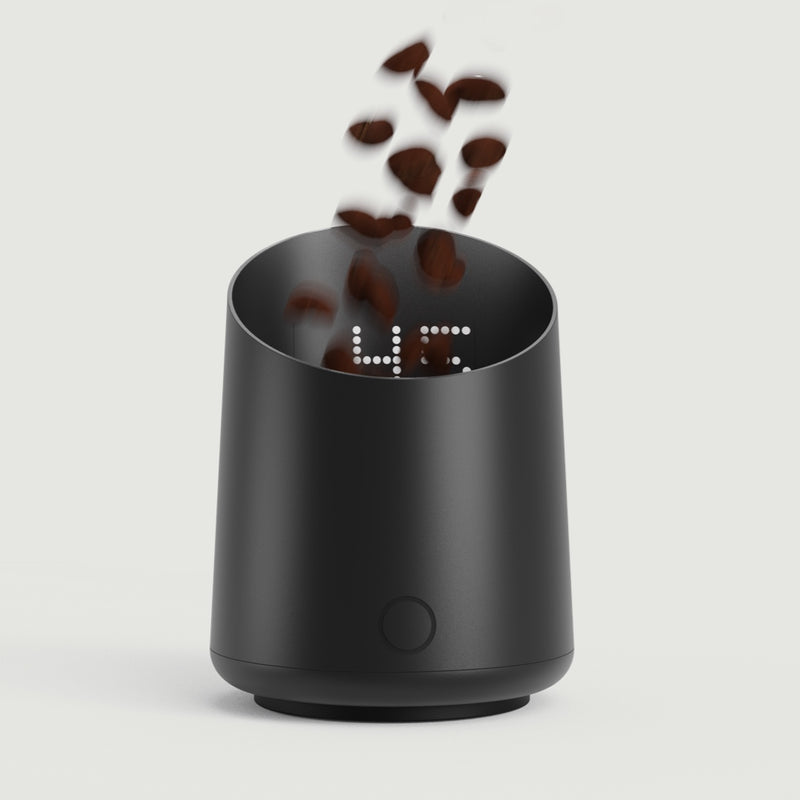
This thing is a game-changer. Do you need a dosing cup and scale in one? No. Does it streamline the brewing process and allow you to enjoy your delicious shot faster, and with less mess? Absolutely. 10/10 would buy again.