Matcha Latte: The Green Elixir and its Health Benefits
Introduction
Matcha Latte has gained immense popularity in recent years as a delicious and nutritious beverage. Made from finely ground green tea leaves, Matcha Latte offers a unique combination of vibrant flavor and numerous health benefits. In this article, we will explore the various advantages of Matcha Latte, provide a step-by-step guide on how to make it, discuss the importance of high-quality Matcha Powder, delve into its origins, cultural significance, and variations, and even touch upon some exciting recipes to enhance your Matcha Latte experience.
Health Benefits of Matcha Latte

Rich in Antioxidants
Matcha Latte is packed with antioxidants known as catechins. These powerful compounds help protect the body against oxidative stress and free radicals, which can contribute to chronic diseases and aging. The high concentration of antioxidants in Matcha Latte makes it a potent ally in promoting overall health and well-being. Additionally, Matcha contains a specific type of catechin called EGCG (epigallocatechin gallate), which has been associated with various health benefits, including reduced inflammation and a lower risk of heart disease.
Boosts Energy and Focus
Matcha contains a moderate amount of caffeine along with an amino acid called L-theanine. This unique combination provides a sustained energy boost without the jitters or crashes often associated with coffee. L-theanine promotes relaxation and mental clarity, enhancing focus and concentration while keeping you calm and centered. The synergy between caffeine and L-theanine in Matcha is known to create a state of alert calmness, providing a steady and prolonged burst of energy without the typical caffeine crash.
Supports Weight Loss
Matcha Latte can aid in weight management due to its thermogenic properties. The catechins in Matcha increase the body's metabolic rate, helping to burn calories more efficiently. Research suggests that consuming Matcha can lead to an increase in fat oxidation (the process of breaking down fat for energy) and a boost in thermogenesis (the body's ability to generate heat and burn calories). Additionally, Matcha contains dietary fiber, which promotes a feeling of fullness and reduces overeating. Incorporating Matcha Latte into a balanced diet and active lifestyle can support your weight loss goals.
Enhances Detoxification
The chlorophyll content in Matcha gives it a vibrant bright green color and also supports the body's detoxification process. Chlorophyll helps eliminate toxins and heavy metals from the body, promoting overall well-being. Drinking Matcha Latte can assist in purifying and rejuvenating your body from within. Furthermore, Matcha contains high levels of chlorophyll, which not only aids in detoxification but also helps alkalize the body and restore its natural pH balance.
Strengthens the Immune System
Matcha is rich in vitamins, minerals, and antioxidants that support a healthy immune system. The catechins in Matcha have antimicrobial properties, which can help fight against harmful bacteria and viruses. Regularly consuming Matcha Latte can give your immune system a natural boost and increase your body's defense mechanisms. Matcha also contains other immune-supporting nutrients such as vitamin C, selenium, zinc, and beta-carotene, further enhancing its immune-boosting properties.
Matcha Latte Recipe: How to Make a Matcha Latte
-
Gather the ingredients: Matcha Powder, hot water, milk (dairy or plant-based), and sweetener (optional).
-
Sift the Matcha Powder: Sifting the Matcha Powder helps remove any clumps, ensuring a smooth and foamy beverage. It also helps to aerate the powder, allowing it to blend better with the liquid.
-
Add hot water: In a bowl or mug, pour a small amount of hot water (not boiling) over the Matcha Powder. Whisk vigorously in a "W" or "M" motion until foamy paste forms. A traditional bamboo whisk called a chasen can help achieve a smoother texture.
-
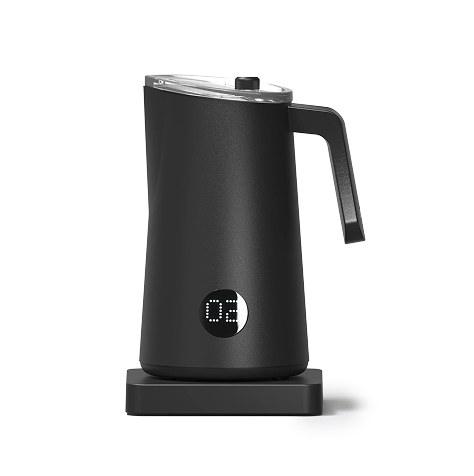
Heat the milk: In a separate saucepan, heat the milk to about 55° to 65°C (130°-150°F). Avoid boiling the milk, as it can affect the taste and texture. Many people warm it in a FlowTip Milk Jug because the spout gives better control when pouring later. A contactless thermometer makes it easy to stay in the safe zone without guessing.
-
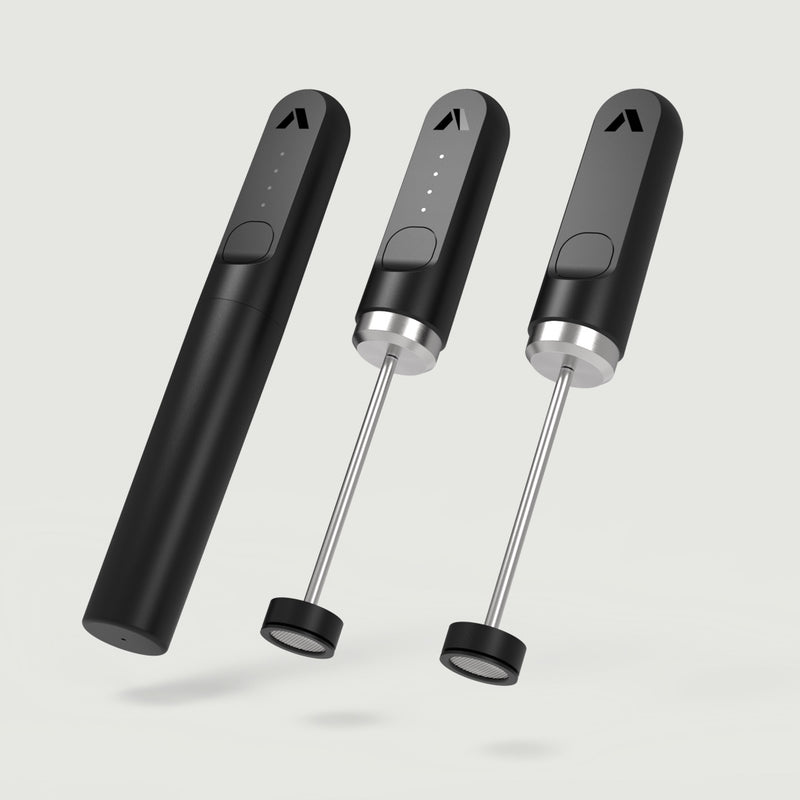
Texture the warm milk into fine microfoam. A NanoFoamer creates the silky bubbles that blend cleanly with the green paste, while the NanoFoamer PRO offers hands-free consistency for those who prefer automatic control.
-
Serve and enjoy: Sprinkle a little Matcha Powder on top for an added touch. Enjoy it hot, or pour it over ice for a refreshing twist.
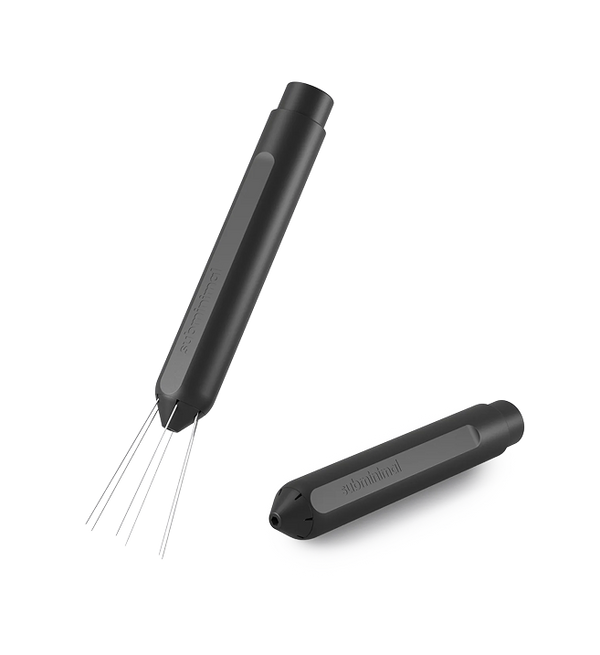
The full set of tools from the products for milk collection supports each stage, from heating and texturing to the final pour.
About Matcha Powder
Matcha Powder is the key ingredient used to make Matcha Latte. It is made by stone-grinding shade-grown green tea leaves into a fine powder. Growing and harvesting the Matcha green tea is meticulous, with the leaves being shaded before harvesting to enhance their chlorophyll content and sweetness. After harvesting, the leaves are steamed, dried, and carefully ground to create the vibrant green powder known as Matcha. The quality of Matcha Powder plays a significant role in the taste and health benefits of the Matcha Latte. Look for vibrant green color, smooth texture, and a fresh aroma when purchasing Matcha Powder. The highest quality Matcha Powder is usually sourced from Japan, which has been traditionally cultivated for centuries.
Origins and Cultural Significance
Matcha has its roots in ancient Japanese tea ceremonies, where it has been enjoyed for over 800 years. The meticulous process of growing, harvesting, and preparing Matcha has become an integral part of Japanese culture and is deeply rooted in Zen Buddhism. The preparation and consumption of Matcha are often seen as meditative practices, promoting mindfulness and a sense of tranquility. Matcha ceremonies, known as Chanoyu, are considered an art form and are conducted with utmost grace and reverence. Participants in these ceremonies experience a heightened sense of focus and appreciation for the present moment. The rich cultural heritage and reverence surrounding Matcha make it a truly unique and cherished beverage.
Variations of Matcha Latte
While the classic Matcha Latte recipe combines Matcha Powder, hot water, and milk, there are various ways to customize and enjoy this beverage. Some popular variations include:
-
Iced Matcha Latte: Prepare it as usual, then pour it over ice for a refreshing summer treat. You can also add a splash of your favorite flavored syrup or blend it with frozen fruits for added flavor and texture.
-
Matcha Green Smoothie: Blend Matcha Latte with your favorite fruits, vegetables, and protein source to create a nutritious and energizing smoothie. Adding a handful of spinach or kale can further enhance its nutritional profile.
-
Matcha Coconut Latte: Substitute the milk with coconut milk to add a rich and tropical twist to your Matcha Latte. The creamy texture of coconut milk complements the earthy flavor of Matcha perfectly.
-
Matcha Chai Latte: Combine Matcha Latte with warm spices like cinnamon, cardamom, and ginger for a fusion of Japanese and Indian flavors. You can steep a chai tea bag in hot water and mix it with Matcha Latte for a unique and aromatic beverage.
-
Matcha Protein Shake: Blend your Matcha Latte with a scoop of your favorite protein powder for a nutritious post-workout shake. This combination provides Matcha's benefits and an additional protein boost to support muscle recovery and growth.
-
Matcha Frappé: Blend Matcha Latte with ice, a splash of milk, and a sweetener to create a refreshing and indulgent Matcha Frappé. Top it off with whipped cream or a sprinkle of Matcha Powder for an extra treat.
These variations allow you to experiment with flavors and find the perfect Matcha Latte that suits your taste preferences and dietary needs.

Make Perfect Microfoam at Home Today
Get your NanoFoamer V2 or NanoFoamer Lithium today and start making premium microfoam milk as if you had an espresso machine!
Discover Also:
Matcha Latte vs Coffee: Which Gives Better Energy?
Many people start their day with coffee. Others choose a matcha latte for a different kind of lift. The main difference sits in how each drink affects energy and focus. Coffee hits fast. Its caffeine enters the system quickly and can create a sharp rise followed by a drop. A matcha latte works more slowly. The natural compounds in the powdered tea combine with caffeine to support longer-lasting alertness. This often feels calmer and more even through the morning.
Taste also plays a part in the choice. Coffee carries a bold, roasted flavor. Matcha brings a mild earthy note that pairs well with steamed milk. The milk texture matters a lot here. Fine microfoam from a NanoFoamer blends smoothly with the green tea powder and creates a creamy mouthfeel that many find easier to drink than straight coffee.
Preparation styles differ too. Coffee often relies on brewing methods that extract oils and acids. Matcha needs careful whisking of the powder with a small amount of water before milk is added. Home setups that include tools from the products for milk range make this step simple and consistent.
Some days call for the quick intensity of coffee. On other days, the steady feel of matcha fits better. Both drinks can support an active routine when the milk portion receives the same care as the base ingredient.
Coffee vs Green Tea
Coffee and green tea offer two distinct paths for daily energy. Coffee delivers a fast, sharp lift that many rely on first thing in the morning. Green tea, especially in the form of matcha, builds a steadier alertness that settles in more gradually.
The difference shows up in how each drink feels after the first few sips. Coffee can push focus hard and then leave a noticeable drop. Matcha pairs its natural caffeine with compounds that support a calmer, longer stretch of concentration. This makes a matcha latte a common choice for people who want clarity without the edge that sometimes follows coffee.
Texture plays a quiet but important role in the comparison. Coffee often stands on its own or with simple steamed milk. A matcha latte depends on fine microfoam to carry the powder evenly through the cup. Tools such as the NanoFoamer create the silky bubbles that keep the green tea suspended and the mouthfeel consistent from start to finish.
Preparation habits also diverge. Coffee routines center on brewing methods and grind size. Matcha routines focus on whisking a smooth paste and then texturing the milk with care. A FlowTip Milk Jug gives clean control during the pour, while pieces from the products for milk range support the full process of heating and foaming.
Both drinks have their place. Some mornings call for the bold intensity of coffee. Other days, the smoother profile of a well-made matcha latte fits the pace better. The choice often comes down to the kind of energy and flavor that feels right in the moment.
Latest News In 2026
Home coffee setups continue to expand into tea-based drinks this year. More people now prepare matcha lattes with the same care once reserved for espresso. Interest in precise milk texture has grown alongside this shift.
Recent coverage of barista tools highlights equipment that works across both coffee and matcha. The best barista tools in 2026 roundup notes strong demand for devices that create consistent microfoam without a full machine. Handheld frother and automatic frother options appear frequently in these discussions.
The FlowTip Milk Jug remains a common choice for pouring practice among those learning latte art on green drinks. Combined with accurate digital dosing tools such as the Subscale, the full process from powder to finished cup becomes more repeatable. These small improvements in equipment and technique keep matcha latte preparation accessible while raising the overall quality of drinks made at home.
FAQ
Are iced matcha lattes good for you?
An iced matcha latte can fit easily into a balanced routine when the ingredients stay simple. The powder itself carries the same natural compounds found in hot versions. Choosing unsweetened milk and skipping extra syrups keeps the drink light while still delivering the familiar earthy taste. Fine microfoam on top adds a creamy layer that makes the cold version feel complete without needing added richness.
Can plant-based milk work well in a matcha latte?
Certain plant milks form stable bubbles that hold the matcha particles in suspension. Oat milk tends to create a creamy body that mirrors the feel of dairy, while barista-style almond and soy versions add a light sweetness of their own. The key sits in how the milk is textured before it meets the green paste. When the texture stays fine, the finished drink tastes balanced rather than watery or separated.
What is the best water temperature for mixing matcha powder?
Water that has rested a short time after boiling protects the fine leaf particles from scorching. Too much heat can mute the natural sweetness and push forward grassy notes that clash with milk. A small amount of this tempered water turns the powder into a lump-free paste that later blends cleanly. Many people keep a separate kettle or use a thermometer to stay in the ideal range every time. Consistent temperature control makes the difference between a dull cup and one that tastes bright and even.
What is matcha latte good for?
A matcha latte supports steady focus through the natural combination of caffeine and supporting compounds in the tea leaves. The drink also offers a mild, earthy flavor that many people prefer over stronger alternatives. When prepared with quality powder and well-textured milk, it becomes a reliable part of morning or afternoon routines. The same base works hot or iced, giving flexibility across different times of day.
How does the foam in a matcha latte differ from coffee foam?
Matcha powder is denser than espresso, so it needs finer bubbles to stay evenly mixed rather than sinking. Larger foam cells can leave a layer of plain milk at the bottom and a dusty film on top. Microfoam created by a NanoFoamer shears the milk into tiny, glossy bubbles that coat the powder and keep the color uniform from first sip to last. This finer texture also carries the mild sweetness of the tea across the whole mouthful. The result feels closer to a single smooth liquid than a drink with separate layers.
Is it possible to make a matcha latte without special equipment?
A basic bowl and a small whisk can produce an acceptable paste and simple foam for occasional use. The powder still needs thorough mixing so no dry pockets remain, and the milk benefits from some aeration even if the bubbles stay larger. Everyday kitchen tools such as a French press or a handheld battery whisk can improve the texture further. People who prepare the drink daily often move toward dedicated pieces like a FlowTip Milk Jug because the spout gives cleaner pours and better control. The core process stays the same regardless of the tools chosen.
Does the type of matcha grade change the final latte?
Ceremonial-grade powder dissolves more readily and keeps a vivid green color even after milk is added. Culinary-grade powder is milled from later harvest leaves and can leave a slightly heavier taste that milk only partly softens. The finer particle size of higher grades also helps the drink stay smooth instead of developing a chalky finish. When both grades are prepared with the same milk and technique, the difference appears most clearly in color brightness and aftertaste. Choosing the grade that matches the desired clarity and sweetness shapes the whole character of the latte.
Conclusion
Matcha Latte is a versatile and nutritious beverage with many health benefits. From its antioxidant-rich nature to its ability to boost energy, support weight loss, enhance detoxification, and strengthen the immune system, Matcha Latte is a great addition to a healthy lifestyle. With the simple guide, you can easily prepare your own Matcha Latte at home and enjoy its delightful flavors while reaping its many advantages. Embrace the cultural significance and explore the various variations of Matcha Latte to expand your beverage repertoire. So, go ahead, indulge in a cup of Matcha Latte, and experience the goodness it has to offer. Whether you enjoy it traditionally or venture into exciting flavor combinations, Matcha Latte is sure to delight your taste buds while nourishing your body and mind. Cheers to the green elixir that brings health benefits galore!
Read Also:
TL;DR
Matcha Latte is a delicious and healthy beverage that offers numerous health benefits. This comprehensive article explores the advantages of Matcha Latte, provides a step-by-step guide on how to make it, discusses the importance of high-quality Matcha Powder, delves into its origins, cultural significance, and variations, and even includes exciting recipes. From its rich antioxidants to its energy-boosting and weight-loss support, Matcha Latte is a versatile drink that strengthens the immune system and enhances detoxification. Embrace the cultural tradition, experiment with variations, and enjoy the green elixir of Matcha Latte for its incredible health benefits and delightful taste.
Related to this blog:
When my steamer died, I thought I'd try the NanoFoamer while I waited. Well, I'm sold! I never thought I could get that milk so silky at home. And so quick, and portable. My new favorite!