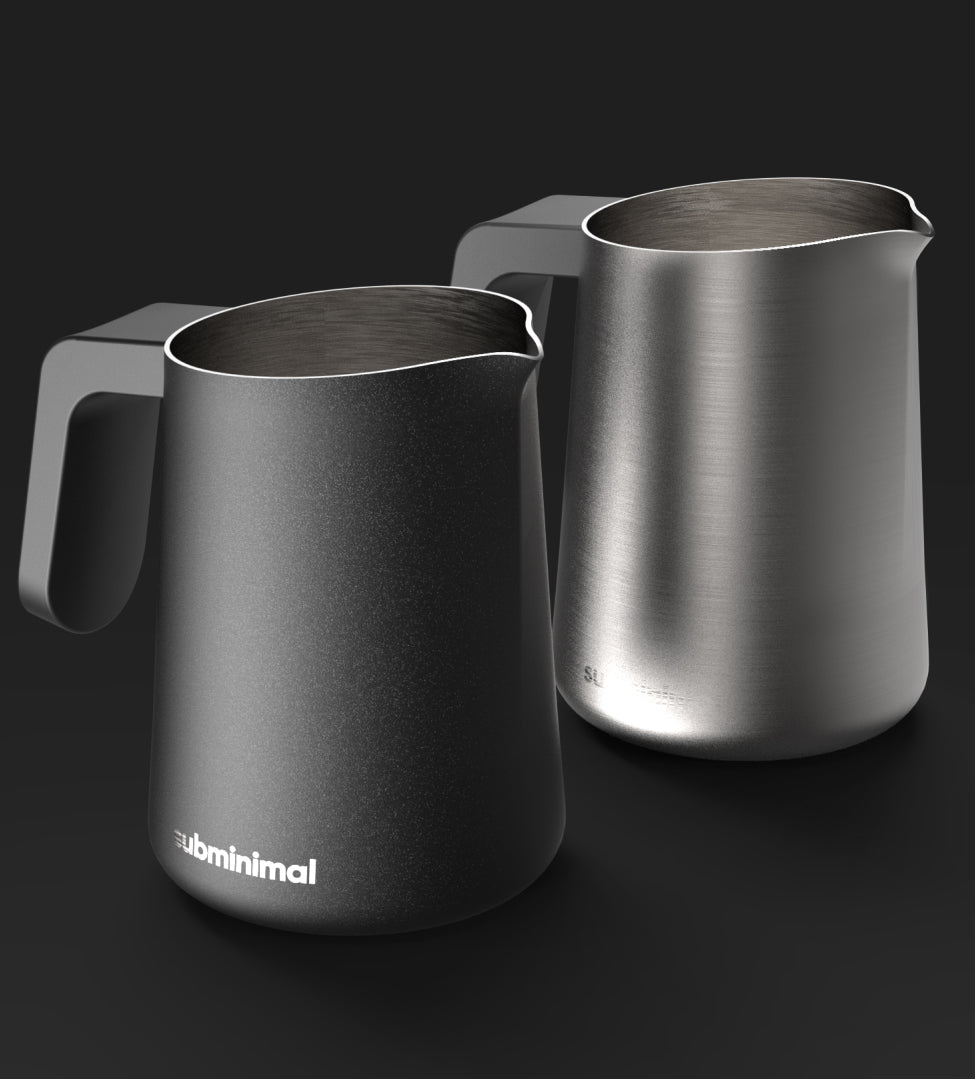
Getting the best coffee thermometers makes all the difference. Whether you're steaming milk for latte art or monitoring brew temperature for optimal extraction, the right one ensures consistency in every cup.
Discover the Best Coffee Thermometer in 2026 - Subminimal
Why Coffee Thermometers Matter for Perfect Espresso Drinks?
Talking about coffee thermometers, Temperature precision directly impacts the quality of your coffee beverages, especially when working with milk-based drinks. The sweet spot for steamed milk falls between 55-65°C (139-149°F), where fats melt completely into liquid form without destroying the delicate foam structure. At this temperature range, whey proteins denature ideally for stable foam adsorption on air bubble surfaces.
Heating milk beyond 70°C (158°F) triggers unwanted chemical reactions. When lactose interacts with proteins at excessive temperatures, it causes browning and develops undesirable flavors that overpower your espresso's nuanced taste profile. Our taste perception of sweetness peaks at 60°C (140°F), making temperature monitoring essential for maximizing milk's natural sweetness.
Different coffee drinks require specific milk temperatures for optimal results :
-
Cappuccinos perform best with milk heated to 140-150°F (60-65°C) for creamy texture without sacrificing foam quality
-
Lattes benefit from slightly warmer milk at 150-160°F (65-70°C) to create velvety texture ideal for latte art
-
Flat whites demand 140-150°F (60-65°C) so milk blends seamlessly with stronger coffee flavor
-
Macchiatos require approximately 140°F (60°C) for smooth espresso integration while maintaining natural sweetness
Choosing the Right Coffee Thermometer for Your Needs
Selecting the appropriate thermometer depends on your brewing method, frequency of use, and accuracy requirements. Response time matters significantly when steaming milk, as analog thermometers typically lag 10 seconds behind actual temperature while quality digital models respond within 2-4 seconds. This latency affects your steaming technique since milk temperature continues rising 3-5°C after you stop the steam wand.
Accuracy specifications vary widely across thermometer types. Digital thermometers often achieve ±0.5°C accuracy with 1°C resolution, providing precise control for consistent results. Traditional analog models generally maintain ±2°C accuracy, which remains adequate for most home brewing applications.
Consider these key features when evaluating coffee thermometers:
-
Temperature range should span from below freezing to above boiling (typically -50°C to 250°C) for versatility across brewing methods
-
Display readability affects usability during busy morning routines or in dim kitchen lighting
-
Attachment method like clips or magnetic mounts keeps thermometers positioned correctly in pitchers
-
Calibration capability extends thermometer lifespan and maintains accuracy over time
-
Durability features such as water-resistant sleeves protect against steam and moisture damage
Top 15 Best Coffee Thermometers in 2026
1. Best Coffee Thermometer - Subminimal

Description (Contactless Thermometer):
Instant Temperature Check, No Cleanup: The Subminimal Contactless Thermometer is a tiny digital IR thermometer designed as the perfect companion to the FlowTip Jug. Quickly monitor milk temperature without placing a probe in the liquid—one less thing to clean. This compact, no-touch thermometer delivers instant surface temperature readings for effortless coffee preparation.
Key Features:
-
Contactless IR Technology: Measures surface temperature without touching the liquid
-
No Cleanup Required: No probe means no washing or drying after use
-
Wide Temperature Range: -50°C to 250°C for versatile kitchen use
-
Instant Readings: Measures temperature in seconds with a simple point-and-check
-
Compact & Lightweight: 27 grams / 1oz, dimensions 115x22x20mm
-
0.95 Emissivity Rating: Optimized for accurate coffee and milk temperature readings
-
Battery Powered: 2x LR44 batteries included
-
Simple Operation: Point, press, done—streamlined workflow
-
Spot Beam Technology: Precise spot reading for targeted measurements
-
Kitchen Versatile: Perfect for beverages, food prep, and cooking applications
Important Usage Notes:
-
Surface Temperature Only: Swirl or stir milk before measuring for most accurate internal reading
-
Avoid Steam Interference: Invisible steam can affect accuracy, measure carefully
-
No See-Through: Does not measure through glass, liquids, or transparent surfaces
-
Watch Reflections: Highly reflective stainless steel surfaces may affect readings
-
Not for Body Temperature: Only for food and beverage use, not medical purposes
Pricing:
-
Price: $29.00 USD
-
Benefits: 30-day returns, limited warranty, secure checkout
-
In stock now
Why Choose Subminimal Contactless Thermometer:
Make temperature checking effortless with this tiny contactless thermometer rated 4.2/5 stars by 54 coffee lovers. The perfect companion to the FlowTip Jug, this IR thermometer eliminates the need for probe thermometers that require constant cleaning. Simply point, press, and get instant surface temperature readings in seconds. The compact 27-gram design is "durable" with a "simple look" that "works well." Customers love that it's "very useful in the kitchen," noting it "measures the temperature in a second with just a point at the food." The no-cleanup convenience means it "helps the workflow" and makes "the whole heating and checking procedure so convenient, with no cleaning or drying required after use." Wide -50°C to 250°C range handles everything from frozen ingredients to boiling water. The 0.95 emissivity rating ensures accurate readings for coffee and milk applications. Perfect for home baristas who want to dial in perfect milk temperature (55-65°C for lattes) without the hassle of cleaning probe thermometers. Remember to swirl milk before measuring and avoid steam interference for most accurate readings.
2. Rhino Steaming Thermometer – Clive Coffee

The Rhino Steaming Thermometer combines reliability with professional-grade construction for consistent milk temperature monitoring. This analog thermometer features a robust design built to withstand the demands of busy cafe environments while remaining accessible for home users.
-
Dial design with easy-to-read temperature markings and colored zones for ideal milk steaming range
-
Durable stainless steel probe resists corrosion from repeated exposure to dairy products
-
Secure clip attachment holds thermometer firmly on any size milk pitcher
-
Wide temperature range suitable for various brewing applications beyond milk steaming
-
NSF certification ensures food-safe materials and construction standards
-
Calibration capability maintains accuracy over extended use periods
-
Affordable option for baristas seeking traditional analog reliability
3. Revolution Steam Thermometer – PT's Coffee

The Revolution Steam Thermometer delivers professional performance with NSF approval and practical design features. With a temperature range spanning 0-220°F, this analog thermometer provides reliable readings throughout the milk steaming process.
-
Five-inch stem length works perfectly with standard cafe-size pitchers
-
1.5-inch face diameter ensures readability from various angles during steaming
-
Ideal milk temperature zone markings help beginners learn proper steaming temperatures quickly
-
Calibration sleeve included enables accuracy adjustments without additional tools
-
Short clip design allows simple and sturdy attachment to any steam pitcher
-
NSF approved construction meets professional food service equipment standards
-
Perfect for latte art by maintaining optimal temperature for microfoam creation
-
Accommodates extra-hot drink requests with clear high-temperature indicators
4. Digital Milk Frothing Thermometer – MiiCoffee

The MiiCoffee Digital Milk Frothing Thermometer was specifically designed to help baristas steam milk to perfect temperature while achieving glossy, creamy microfoam. This digital model beeps when milk reaches or exceeds your goal temperature and stops beeping automatically when you pour.
-
Three temperature presets include less-warm (60°C/140°F), normal (65°C/150°F), and extra-hot (70°C/160°F) options
-
Custom temperature setting allows precise adjustments in 1-degree increments for personalized preferences
-
Temperature range from 0°C to 200°C handles all milk heating requirements
-
Fast response time of 2-4 seconds minimizes lag during steaming
-
High accuracy rating of ±0.5°C ensures consistent results
-
Water-resistant silicone sleeve protects the thermometer from steam and moisture damage
-
SS304 stainless steel probe provides durability and food-safe contact surface
-
Battery efficiency offers 200 hours of continuous use on two LR44 batteries
-
Auto-shutoff feature turns off after 5 minutes at the same temperature to conserve battery
5. Milk / Espresso Thermometer – Passport Coffee & Tea

The Milk/Espresso Thermometer from Passport Coffee & Tea offers straightforward analog functionality with an 8-inch design. This traditional dial thermometer includes a metal clip for secure pitcher attachment and features a Fahrenheit display.
-
Eight-inch total height accommodates larger milk pitchers commonly used for multiple drinks
-
Dial face design provides at-a-glance temperature readings without digital displays
-
Metal clip attachment ensures stable positioning during vigorous steaming
-
Fahrenheit display suits users accustomed to imperial temperature measurements
-
Versatile application works for both milk steaming and general beverage temperature monitoring
-
Durable construction withstands repeated use in home and restaurant settings
-
No battery requirements eliminates power concerns and maintenance
-
Simple operation makes it ideal for beginners learning proper steaming techniques
6. Milk and Coffee Thermometer with Clip – EspressoWorks

The EspressoWorks Milk and Coffee Thermometer helps achieve first-rate cappuccinos and lattes by monitoring milk temperature precisely during frothing. This thermometer with clip attachment lets you see exactly how hot the milk gets so you can stop frothing at the perfect moment.
-
Integrated clip design attaches securely to milk pitchers for hands-free monitoring
-
Clear temperature markings enable quick reading during the steaming process
-
Suitable for various pitcher sizes between 300ml and 1L capacities
-
Colored zones indicate ideal range for milk steaming
-
Easy-to-read display helps prevent overheating that ruins milk texture
-
Affordable entry point for home baristas starting their coffee journey
-
Durable analog mechanism resists physical impacts better than digital alternatives
7. Decent Espresso Digital Thermometer – Tiny Footprint Coffee

The Decent Espresso Digital Thermometer was designed specifically for coffee applications, helping baristas steam milk to perfect temperature while achieving glossy, creamy microfoam. This advanced digital model features audible alerts that beep when milk reaches goal temperature and automatically resets for consecutive drinks.
-
Fast 2-second response time dramatically reduces lag compared to typical 10-second analog delay
-
Temperature range of 0-200°C covers all coffee brewing and milk steaming needs
-
Precision accuracy of ±0.5°C with 1°C resolution ensures consistent results
-
Single-button presets for less-warm (60°C/140°F), normal (65°C/150°F), and extra-hot (70°C/160°F)
-
Custom temperature programming in 1-degree increments accommodates personal workflow preferences
-
Clip positioning holds display beside milk jug with thermoprobe centered for optimal viewing
-
Water and steam resistant silicone sleeve provides durability in harsh conditions
-
Smart battery management turns off after 5 minutes of inactivity but stays on above 50°C
-
SS304 stainless steel probe ensures food-safe contact and long-term durability
-
Pleasant beep sound is audible over steam wand noise without being annoying
8. Steaming Thermometer – Barista Basics

The Barista Basics Steaming Thermometer simplifies milk steaming with high-quality construction and calibration capability. This 5-inch thermometer tracks milk temperature accurately, helping train new baristas while ensuring consistent results for experienced users.
-
Temperature range from -18°C to 104°C (0°F to 220°F) handles all steaming requirements
-
12.7cm (5-inch) stem length works perfectly with smaller pitchers
-
3.3cm (1.75-inch) dial face balances readability with compact size
-
Target range indicator marks ideal zone between 60-77°C (140-170°F) for visual guidance
-
Calibration tool included on thermometer holder for easy accuracy adjustments
-
NSF approved status meets professional food service equipment standards
-
Adjustable design enables precision calibration for long-term accuracy
-
Clip attachment secures thermometer to frothing pitchers for optimal control
-
Professional construction from Barista Basics line designed by experienced baristas
9. Coffee Sensor E61 Grouphead Thermometer – Alternative Brewing

The Coffee Sensor E61 Grouphead Thermometer offers an extra degree of reliability and consistency for espresso brewing by monitoring water temperature directly at the grouphead. Once installed, this sensor continuously reads water temperature flowing from the boiler just before contacting ground coffee.
-
Precision accuracy to 0.1°C enables repeatable results for dialing in espresso recipes
-
Wide temperature range from -50°C to 200°C monitors both standby and brew temperatures
-
180-degree rotatable LCD display adjusts for upright visibility when standing in front of machine
-
Quick temperature readings provide instant feedback on brew water conditions
-
Easy installation requires no machine experience, simply unscrew and replace grouphead nut
-
Copper washers included create leak-proof seal without Teflon tape or sealant
-
Fixed wrench provided ensures proper tightening during installation
-
Compatible with E61 groupheads fits standard E61-style espresso machines
-
Ideal brewing range monitoring helps maintain optimal 88-94°C extraction temperature
-
Consistent brew temperature control improves shot quality and repeatability
10. Rhino Digital Thermometer – The Coffee Collective

The Rhino Digital Thermometer combines easy-to-read digital display with audible alarm functionality for precise milk temperature control. This 5-inch (13cm) thermometer features a specially designed stainless steel clip allowing perfect positioning in any milk pitcher.
-
Temperature range from -50°C to 250°C (-58°F to 482°F) accommodates diverse applications
-
Audible alarm beeps when desired temperature is reached for consistent results
-
Easy temperature setting allows programming specific target temperatures
-
Adjustable stem height with positive lock and quick-release action
-
Stainless steel clip design holds thermometer securely in any pitcher size
-
Clear digital display eliminates guesswork during steaming process
-
LR44 battery included for immediate use out of the box
-
Dual-purpose functionality works for milk steaming and general cooking needs when clip removed
-
Temperature guide markings suggest ideal ranges for steamed milk, espresso, and various teas
11. KT Thermo Instant Read Dial Thermometer

KT Thermo offers a practical Instant Read Dial Thermometer specifically popular among home baristas for its straightforward design focused on milk frothing and coffee drink preparation. Featuring a clear, color-coded dial with easy-to-read markings, this analog tool helps users achieve consistent temperatures for optimal milk texture and sweetness. The stainless steel probe and adjustable clip allow secure attachment to milk pitchers of various sizes, supporting hands-free monitoring during steaming. Compact and durable, it suits both beginners learning proper techniques and more experienced users seeking reliable daily performance. The wide temperature range accommodates not only milk steaming but also general beverage and food temperature checks. Many users appreciate its no-battery operation and simple functionality that integrates seamlessly into morning routines or small cafe workflows.
Key Features:
-
2-inch dial size for clear visibility
-
Stainless steel construction
-
Adjustable clip for pitcher attachment
-
Temperature range 0°F to 220°F
-
Color division for easy identification of ideal ranges
-
Compact design for easy cleaning and storage
Accurate data:
-
Instant internal temperature readings
-
Food-safe materials
-
Suitable for coffee drinks, chocolate, and milk foam applications
12. CDN ProAccurate Beverage Frothing Thermometer

Based in Portland, Oregon, CDN Measurement produces the ProAccurate Beverage Frothing Thermometer as a professional-grade tool designed for precise milk temperature control in commercial and home settings. This analog thermometer features a magnified dial with target range indicators to guide users toward ideal frothing temperatures for superior microfoam and flavor. The stainless steel stem and clip ensure stable positioning in pitchers, while the shatterproof lens and dishwasher-safe construction support heavy daily use. Field calibration capability allows users to maintain accuracy over time without special equipment. The design prioritizes readability and durability, making it suitable for busy cafe environments where consistent drink quality is essential. Its waterproof and shatterproof properties contribute to long-term reliability across varying kitchen conditions.
Key Features:
-
1-inch magnified dial
-
5-inch stem length
-
Adjustable stainless steel clip
-
Temperature range 0 to 220°F
-
NSF certified food safety standards
-
Field calibratable with wrench on sheath
Accurate data:
-
±2°F accuracy
-
Shatterproof lens
-
Dishwasher safe
-
304 stainless steel housing and probe
13. Timemore Digital Thermometer

Timemore's Digital Thermometer stands out for its versatility in both milk frothing and pour-over brewing applications, appealing to precision-focused coffee enthusiasts across the USA. The compact unit delivers fast temperature readings with a clear display that supports both Celsius and Fahrenheit modes for global recipe compatibility. A dedicated clip secures the thermometer to milk pitcher rims for convenient monitoring without constant manual holding, while the threaded design also allows integration with compatible kettles. The minimalistic aesthetic fits modern kitchen and cafe setups, and the side ON/OFF switch combined with auto features promotes efficient battery use. Users value how it eliminates guesswork in achieving the precise temperatures needed for silky microfoam and balanced espresso drinks.
Key Features:
-
Digital display with backlight option
-
Temperature range -20°C to 120°C
-
Pitcher clip attachment
-
°C/°F switchable
-
Threaded design for kettle compatibility
-
CR2032 battery powered
-
Simple one-button controls
Accurate data:
-
Fast response time for real-time monitoring
-
Suitable for milk pitchers and brewing vessels
-
Modern design for home and cafe use
14. Rattleware Easy Steam Thermometer

Rattleware, a respected name in professional coffee equipment, developed the Easy Steam Thermometer to meet the demands of baristas seeking dependable milk temperature monitoring. Available in multiple stem lengths and dial sizes, these analog thermometers feature precise markings and target zones to help achieve consistent results across different pitcher volumes. The stainless steel construction and built-in clip provide secure, hands-free operation during steaming sessions, supporting both home setups and commercial service. Clear dual-scale readings in Fahrenheit and Celsius offer flexibility for users worldwide. The design emphasizes durability and readability, with indicators that guide proper steaming cut-off points for optimal milk sweetness and texture development in lattes and cappuccinos.
Key Features:
-
Stainless steel stem and construction
-
Built-in pitcher clip
-
Multiple dial sizes including 1.75-inch and smaller options
-
Stem lengths of 5-inch or 7-inch
-
Dual Fahrenheit and Celsius scales
-
Target range markings
Accurate data:
-
Designed for professional barista use
-
Precise temperature markings every degree
-
Suitable for various milk pitcher sizes
15. Flair Digital Milk Steaming Thermometer

Flair Espresso created their Digital Milk Steaming Thermometer as a modern companion for home espresso enthusiasts and manual lever machine users who prioritize precision in milk preparation. The device features a responsive stainless steel probe and an intuitive touchscreen display that offers quick readings in both Fahrenheit and Celsius. Water-resistant housing withstands the humid environment around steam wands, while the included pitcher clip keeps the unit positioned correctly during frothing. Designed to integrate seamlessly with Flair's milk pitchers and steaming tools, it helps users perfect the temperature curves essential for glossy microfoam and latte art. The one-touch operation simplifies workflow, making it accessible for both novice and advancing baristas focused on drink consistency.
Key Features:
-
Digital touchscreen display
-
Stainless steel probe
-
Water-resistant design
-
Pitcher clip included
-
°F and °C modes
-
Wide temperature range up to 100°C
-
One-touch on/off functionality
Accurate data:
-
Fast and accurate temperature readings
-
Food-safe probe materials
-
Optimized for latte art and milk-based drinks
Best Milk Thermometer for Steaming and Latte Art in 2026
A solid milk thermometer changes how reliably you create latte art. Milk texture depends heavily on the exact temperature you reach during steaming. Small differences affect foam quality and how the milk blends with your espresso shot.
The FlowTip Milk Jug sees frequent use alongside temperature tools because its shape supports precise pouring once the milk hits the target warmth. Good thermometers help you catch the moment when fats melt fully and proteins set up for stable microfoam. This control leads to better drinks and more consistent results across different coffee recipes.
Contactless vs Traditional Probe Thermometers for Milk Frothing
Contactless thermometers offer speed and convenience during milk frothing sessions. They scan the surface without any probe touching the liquid. Traditional probe styles measure the milk directly. Each type has its place depending on workflow preferences. Contactless options reduce cleanup time between multiple drinks.
Probe thermometers provide that immediate liquid reading some baristas prefer. Both approaches help you manage the temperature climb that happens even after the steam wand stops. The difference shows up most clearly in busy morning routines where every second counts.
Digital vs Analog Coffee Thermometers
Choosing between digital and analog thermometers involves weighing several performance and practical considerations. Digital thermometers dominate professional applications due to their speed and precision, typically responding within 2-4 seconds compared to analog models that lag 10 seconds. This faster response time proves critical when steaming milk, since temperature continues rising 3-5°C after stopping steam flow.
Accuracy differences significantly impact drink consistency. Digital models commonly achieve ±0.5°C accuracy with 1°C resolution, while analog thermometers generally maintain ±2°C accuracy. For home brewers experimenting with milk alternatives that behave differently than dairy, this precision difference helps achieve consistent microfoam texture.
Practical considerations favor different thermometer types depending on usage:
-
Digital advantages include programmable alarms, temperature presets, fast reading speed, and precise accuracy
-
Analog benefits encompass no battery requirements, simpler operation, lower cost, and traditional aesthetics
-
Durability factors show analog models often withstand physical impacts better than digital units
-
Maintenance requirements differ as digital thermometers need calibration checks and battery replacement
-
User interface preferences vary with some users preferring straightforward analog dial displays
-
Cost-effectiveness makes entry-level analog models attractive for basic functionality at lower price points
Achieving Perfect Milk Temperature for Latte Art
Proper milk temperature makes the difference between mediocre and exceptional latte art. The ideal temperature range of 55-65°C (139-149°F) for cappuccinos and lattes ensures all milk fats melt into liquid form without destroying foam structure. At this precise range, whey protein denaturation reaches optimal levels for stable foam that holds intricate latte art patterns.
Temperature progression during steaming follows a critical sequence. Expert baristas know to stop introducing air at 40°C (104°F), then continue plunging the steam wand until final milk temperature is reached. This technique creates the glossy, paint-like microfoam texture essential for detailed latte art. Accounting for temperature rise after steaming stops is crucial since milk typically gains 3-5°C between stopping steam and reaching final resting temperature.
Different coffee drinks demand specific temperature targets for optimal results :
-
Flat whites perform best at 55-60°C to maintain espresso's sharper flavor notes
-
Lattes and cappuccinos require 60-65°C for milk hot enough to balance espresso without overpowering it
-
Cold milk drinks need 4°C or less, with milk frothed then chilled before pouring over ice
Sweetness perception peaks at 60°C (140°F), making temperature control essential for maximizing milk's natural sweetness without added sugar. Heating beyond 70°C (158°F) triggers unwanted lactose-protein reactions causing browning and off-flavors that detract from coffee's nuanced taste. Always use cold, fresh milk straight from the refrigerator since room-temperature milk won't foam properly or develop the microfoam texture required for latte art.
How to Calibrate Your Coffee Thermometer?
Regular calibration maintains thermometer accuracy and extends operational life. Professional environments benefit from monthly calibration checks, while home users should verify accuracy every few months. Thermometers subjected to heavy handling, drops, or floor impacts require immediate recalibration.
Ice bath method provides reliable calibration at the freezing point. Place crushed ice into a glass or milk pitcher, add cold water until achieving slushy consistency. Stir the ice-water mixture for 30-45 seconds, then let it sit for 2-3 minutes so temperature stabilizes. Insert your thermometer and compare the reading against the known 32°F (0°C) freezing point.
Boiling water method verifies accuracy at high temperatures. Bring a container of water to full boil and use this as a guide for the 212°F (100°C) mark. Note that hot water from coffee machine boilers typically doesn't dispense at true boiling point, so avoid using this as a calibration standard.
For most reliable results, check multiple temperature points:
-
Test at three different temperatures like 167°F (75°C), 104°F (40°C), and 50°F (10°C) to ensure accuracy across the full scale
-
Allow 60-90 seconds for temperature stabilization before comparing readings
-
Compare against digital reference by placing both thermometers in hot water and checking for variance
-
Accept ±2°C variation as satisfactory for analog thermometers
Adjustment procedure for analog thermometers uses the calibration nut located at the rear of the dial. Hold the dial face steady while using a small wrench or calibration tool to turn the nut clockwise for increasing temperature or counterclockwise for decreasing. This adjustment typically takes a couple of attempts to achieve perfect needle position.
Caring for Your Coffee Thermometer
Proper maintenance preserves thermometer accuracy and prevents contamination. Cleaning protocols vary by thermometer type but generally require gentle handling to protect probe integrity. Digital thermometers with water-resistant sleeves tolerate quick rinsing but should never be fully submerged. Analog models benefit from wiping the probe clean with a damp cloth after each use.
Storage considerations protect thermometers from damage during non-use periods. Protective cases prevent probe bending and display scratches during transport. Store thermometers in dry locations away from extreme temperatures that might affect calibration. Proper storage maintains equipment readiness for consistent performance.
Battery maintenance keeps digital thermometers functioning reliably. Replace LR44 batteries regularly to prevent unexpected failures during morning coffee routines. Most digital models provide 200 hours of continuous use per battery set. Auto-shutoff features extend battery life by powering down after periods of inactivity.
Probe care extends thermometer lifespan significantly:
-
Avoid bending the stainless steel probe which can affect accuracy and durability
-
Clean immediately after use to prevent milk residue buildup
-
Hand wash only rather than using dishwashers that may damage components
-
Inspect regularly for signs of corrosion or damage requiring replacement
Latest News In 2026
Fresh ideas in home coffee equipment keep pushing toward easier ways to achieve cafe quality milk texture. Temperature monitoring tools gain new features for faster and more accurate readings. The NanoFoamer and NanoFoamer PRO continue to evolve as popular choices for creating microfoam that pairs well with careful temperature work.
New accessory combinations appear that help home baristas fine tune their steaming technique. Interest stays high in tools that simplify the path to great tasting lattes and cappuccinos. The Subscale brings extra precision to dosing routines that complement temperature control. Many also reach for the Flick WDT tool when they want even puck preparation before the milk step.
FAQs
What temperature should I steam milk for cappuccinos and lattes?
The optimal milk temperature for cappuccinos ranges between 140-150°F (60-65°C), which creates creamy, sweet milk without sacrificing foam texture. Lattes require slightly warmer milk at 150-160°F (65-70°C) to generate the velvety texture ideal for latte art. At these temperatures, all milk fats melt into liquid form while whey proteins denature at optimal levels for stable foam. Heating beyond 70°C (158°F) triggers unwanted lactose-protein reactions that cause browning and develop off-flavors.
How do infrared contactless thermometers work for measuring milk temperature?
Infrared thermometers measure surface temperature by detecting infrared energy emitted from liquids and materials. These devices provide instant readings without physical contact, eliminating cleanup requirements. However, they measure only surface temperature, not internal temperature, so you must swirl or stir milk before measuring for accurate readings. Steam, moisture, and highly reflective stainless steel surfaces can temporarily affect accuracy, so aim carefully and avoid condensation. The contactless design makes them perfect companions for milk frothers and steam wands.
How often should I calibrate my coffee thermometer?
Professional cafe environments benefit from daily calibration checks due to constant use and frequent cleaning throughout service. Home users should verify thermometer accuracy every few months or once weekly for regular use. Thermometers subjected to drops, heavy impacts, or rough handling require immediate recalibration to ensure accurate readings. Check calibration using ice water at 32°F (0°C) or boiling water at 212°F (100°C) as reference points. Testing at multiple temperatures like 167°F, 104°F, and 50°F ensures accuracy across the full temperature scale.
What's better for home baristas: digital or analog coffee thermometers?
Digital thermometers offer faster response times of 2-4 seconds compared to analog models that typically lag 10 seconds. This speed advantage matters when steaming milk since temperature continues rising 3-5°C after stopping steam. Digital models also provide ±0.5°C accuracy versus ±2°C for analog thermometers. However, analog thermometers require no batteries, withstand physical impacts better, and cost less initially. For beginners learning proper steaming technique, analog models offer straightforward operation, while experienced baristas seeking precision prefer digital thermometers with programmable alarms and temperature presets.
How does accurate temperature monitoring affect milk alternatives?
Accurate temperature monitoring makes a noticeable difference when working with milk alternatives. Oat milk and almond milk feature protein structures that react differently to heat than dairy, sometimes leading to separation or thin foam if temperatures rise unevenly. A reliable milk thermometer helps locate the precise warmth where these plant based options hold their creamy body and develop stable texture. This control also supports smoother flavor integration once the milk meets the espresso.
Why do some baristas prefer quick reading thermometers?
Quick reading thermometers deliver instant feedback right in the middle of the steaming process. Baristas value that immediate response because it lets them tweak the steam wand position before heat overshoots the target. Many notice the difference in microfoam quality when they can track changes without waiting. Faster readings keep the entire milk preparation flowing naturally even during back to back drinks.
Where can you find more tips on equipment care?
The Subminimal help page shares practical advice on keeping coffee accessories in top shape. It explains gentle cleaning steps that protect delicate probes and surfaces from everyday wear. Regular attention to storage and basic upkeep helps temperature tools and frothing gear stay accurate longer.
Does one thermometer work for all coffee drinks?
Versatile thermometers cover the full range of temperatures needed for both hot and cold coffee preparations. They handle everything from steamed milk in espresso drinks to quick checks on cold brew bases or iced beverage mixes. This single tool simplifies the setup for home baristas who switch between many recipe styles. The wide span also comes in handy during creative experiments with seasonal drinks.
Transform your morning routine with the Best Coffee Thermometer in 2026 from Subminimal.