The Espresso Martini Recipe brings together fresh espresso, vodka, and coffee liqueur in a chilled glass with a signature creamy foam. This cocktail attracts both beginners seeking an impressive yet straightforward drink and coffee enthusiasts who appreciate how the quality of the espresso base shapes the final result.
People often search for it when they want something that delivers coffee intensity alongside a spirit kick without being overly sweet or complicated. Fresh espresso forms the foundation, and many home users improve consistency with precise preparation tools built for everyday coffee work.
The balance of bitter coffee notes, subtle sweetness from the liqueur, and clean vodka warmth makes it refreshing and moreish at the same time. For insights into tools that support consistent espresso preparation, their guide to the best retractable WDT tools offers practical perspectives.
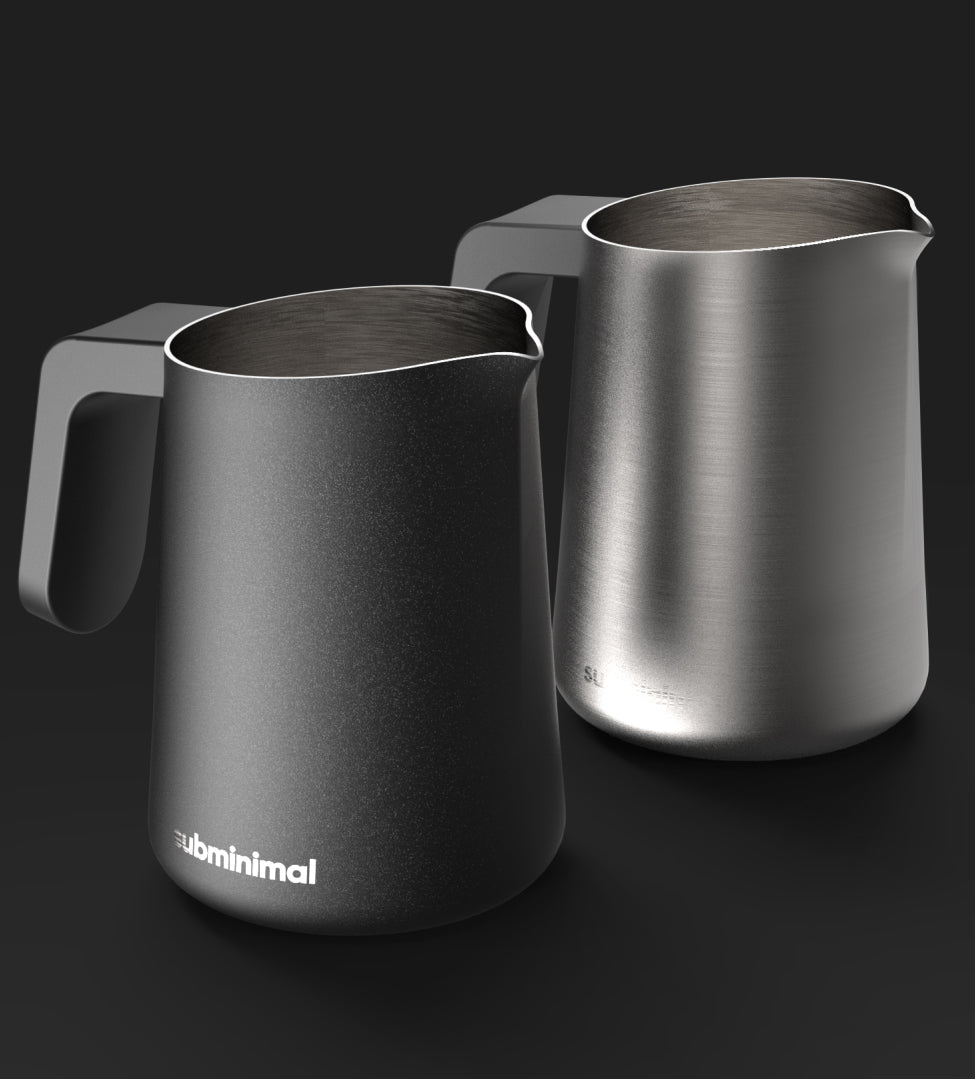
A great Espresso Martini depends heavily on espresso quality, texture, and temperature control during preparation. Many home baristas use the NanoFoamer milk frother to create smoother foam for visually appealing cocktail finishes, while a precision FlowTip milk jug helps improve pouring accuracy when preparing espresso-based drinks. Maintaining the right milk and espresso temperature with a reliable contactless thermometer can also enhance consistency, ensuring every Espresso Martini delivers balanced flavor, rich crema, and the signature velvety top layer.
What Is An Espresso Martini?
An espresso martini is a shaken cocktail built on vodka, freshly brewed espresso or strong coffee, and coffee liqueur. It is served straight up in a martini or coupe glass and finished with three coffee beans for aroma and presentation. The hard shake chills the mixture, adds controlled dilution, and creates the velvety foam through aeration of the coffee’s natural oils and proteins.
Unlike stirred martinis, this one relies on vigorous shaking for both temperature and texture. The result tastes bold yet smooth, with coffee bitterness balanced by the liqueur and spirit. Beginners like the short ingredient list and clear technique, while enthusiasts notice how small improvements in espresso extraction lead to cleaner flavor and more stable foam in the glass.
Origins And History Of The Espresso Martini
The drink was created in the mid-1980s by British bartender Dick Bradsell in London’s Soho district. Bradsell worked at venues including Fred’s Club on Old Compton Street during a time when the city’s cocktail scene was undergoing a revival. According to accounts from his daughter Bea Bradsell and other cocktail historians, a customer asked for something that would “wake me up and f**k me up.” Bradsell combined vodka, fresh espresso, and coffee liqueur in response.
Early versions carried names such as Vodka Espresso or Pharmaceutical Stimulant. He continued refining the proportions and technique over the following fifteen years as he placed the drink on different menus. The story has become legendary in cocktail culture, sometimes linked in retellings to high-profile figures, though the core remains the practical request for a stimulating yet strong drink.
Culturally, the espresso martini emerged alongside growing interest in specialty coffee and modern bartending innovation in Britain. Bradsell also created other enduring drinks, such as the Bramble, demonstrating his broader influence. By the 2010s, the cocktail experienced a major global resurgence driven by craft bars, social media, and the crossover between coffee culture and mixology. March 15 is sometimes observed informally as Espresso Martini Day. Today, it ranks among the most recognizable modern classics because it successfully merges Italian espresso traditions with spirit-forward drinking in an accessible format.
The espresso martini’s popularity also reflects the growing overlap between specialty coffee and modern cafe culture. Coffee fans who enjoy bold espresso flavors often explore drinks like the Melbourne Magic coffee for its rich texture and balanced milk ratio, or refreshing creations such as the Mont Blanc iced coffee recipe, which highlights layered cream and espresso flavors in a lighter format.
Essential Ingredients And Why They Matter
Quality ingredients and fresh preparation make the biggest difference. Vodka supplies the clean alcoholic structure. A solid premium vodka stays neutral so the coffee and liqueur can express themselves clearly.
Fresh espresso delivers the defining coffee character, oils, and crema that support both flavor and foam. One to two shots cooled to room temperature work best. Hot espresso melts ice too quickly and throws off the balance. Coffee enthusiasts often find that well-extracted shots with balanced acidity and sweetness carry through more pleasantly in the finished drink.
Coffee liqueur adds sweetness and extra coffee depth. Kahlúa remains the classic choice with its vanilla character, while drier options like Mr. Black give brighter coffee notes and less sweetness. The choice noticeably affects the overall balance. Simple syrup (optional) helps when the espresso tastes sharp or the liqueur runs dry. Many balanced recipes need only a small amount or none at all.
Ice chills and dilutes during shaking. Fresh, solid cubes perform best. Garnish of three whole coffee beans adds visual appeal and releases aroma with each sip. Precise bean dosing with a tool such as the Subscale supports consistent espresso strength that carries through to the cocktail. After grinding, even grounds distribution using a tool such as the Flick helps achieve clearer extraction and better flavor in the final drink.
Step-by-Step Preparation Method
Follow these steps for reliable results, whether you are new to the drink or already comfortable making espresso at home. The quality of your espresso base has a direct impact on the final balance and foam of the cocktail, so paying attention to dosing and distribution during preparation makes a noticeable difference.
-
Chill your martini or coupe glass in the freezer or by filling it with ice water while you prepare the other ingredients. A cold glass helps the drink stay colder and allows the foam to hold better once poured.
-
Brew one or two shots of fresh espresso and let it cool to room temperature. This prevents the hot espresso from melting the ice too quickly and diluting the cocktail. For better consistency, start by accurately dosing your coffee beans using the Subscale digital dosing cup before grinding. After grinding, use the Flick WDT tool to evenly distribute the grounds in the portafilter. These steps help produce a cleaner and more balanced espresso shot, which improves both the flavor and the texture of the final drink.
-
Add the vodka, cooled espresso, coffee liqueur, and simple syrup (if using) into a clean mason jar with a tight-fitting lid. Fill the jar about halfway with ice. Make sure the lid is screwed on securely to prevent leaks during shaking.
-
Shake the mason jar hard for 20 to 30 seconds. Hold the jar firmly with both hands and shake vigorously until the outside feels very cold. This step replaces the traditional shaker and helps create foam through aeration, although the foam will usually be lighter than when using a proper cocktail shaker.
-
Carefully strain the mixture into your chilled glass. You can use a fine mesh strainer or a small sieve to catch the ice and keep the drink smooth. If you want to create additional foam on top, you can briefly use the NanoFoamer on the strained drink for a few seconds as an optional step.
-
Garnish with three coffee beans placed gently on the foam. Serve immediately while the drink is still cold. The beans add aroma that complements the coffee notes in the cocktail.
Common beginner mistakes include under-shaking, which produces weak foam and a warmer drink, or using espresso that is still too hot. Coffee enthusiasts often focus extra attention on the espresso extraction itself because a sweeter, cleaner shot improves the entire cocktail from the first sip to the last.
Flavour Profile In Depth
The espresso martini presents layered sensations in each sip. Bright coffee bitterness and roasted aroma appear first, followed by the round sweetness of the liqueur and gentle warmth from the vodka. The foam adds a velvety mouthfeel that softens edges without making the drink heavy.
As you continue drinking, coffee oils and subtle spirit notes linger. The finish stays relatively clean rather than cloying, which is why the cocktail feels refreshing despite its coffee and alcohol content. Aroma contributes significantly. Fresh espresso brings fruity or chocolate tones depending on the beans, while the garnish beans release additional scent with each sip.
When made with high-quality, well-extracted espresso, the drink tastes more balanced and less harsh. Beginners discover that small adjustments in liqueur choice or a touch of simple syrup let them tailor sweetness. Enthusiasts appreciate how the same recipe can highlight different espresso characteristics, from bright acidity to deeper chocolate notes.
How The Espresso Martini Differs From Similar Coffee Beverages
Several popular drinks share coffee elements but diverge in structure and experience. The White Russian uses vodka and coffee liqueur but adds cream or milk and is usually built over ice rather than shaken for foam. It tastes richer and creamier with a completely different mouthfeel.
Irish Coffee is served hot with whiskey, brown sugar, coffee, and whipped cream. It belongs to the hot coffee tradition and lacks the chilled martini presentation and vodka base. The Black Russian contains only vodka and coffee liqueur with no espresso and no shaking. It is simpler and sweeter, served over ice without foam or bright coffee acidity.
Coffee enthusiasts may also be familiar with traditional espresso drinks that incorporate milk in varying ratios. A piccolo coffee provides a small, balanced serving with a touch of milk, while the differences between piccolo, cortado, and macchiato show how milk ratios affect texture and flavor. The cortado coffee in particular highlights the perfect harmony of milk and espresso in a way that contrasts with the spirit-driven, milk-free profile of the martini.
These comparisons show what makes the espresso martini distinctive: the shaken texture, specific spirit choice, fresh espresso, and foam create their own category.
How Subminimal Tools Help You Make Better Espresso Martinis
Subminimal designs equipment that helps home users achieve consistent, high-quality espresso shots. Because the espresso base determines so much of the cocktail’s flavor and foam stability, tools that improve dosing accuracy and puck preparation directly benefit the final drink.
The Subscale digital dosing cup combines a built-in scale with a durable vessel safe for beans and hot liquids. You can weigh beans directly, grind, and pull shots in the same cup, reducing steps while supporting precise, repeatable measurements that lead to more consistent espresso in your martini.
After grinding, the Flick WDT tool distributes grounds evenly in the portafilter. Its retractable needles make the process quick and safe. Even distribution reduces channeling and supports clearer, sweeter extraction. Better shots translate to more nuanced flavor and more stable foam in the finished cocktail. Guides on the art of using a WDT tool explain why this step improves results for both daily coffee and recipes like this one.
While the classic recipe builds foam entirely through shaking, the NanoFoamer PRO offers hands-free microfoam for anyone exploring texture in other coffee drinks or testing creative adaptations. It includes programs for different milks and a cold foam mode that some enthusiasts experiment with in chilled coffee creations. Collections focused on the best milk frother and best barista tools show how these pieces fit into a complete home setup.
For more on selecting equipment that supports consistent puck preparation, their guide to the best retractable WDT tools and the art of using a WDT tool provide additional context on why even distribution matters for extraction quality.
Discover Subminimal Products
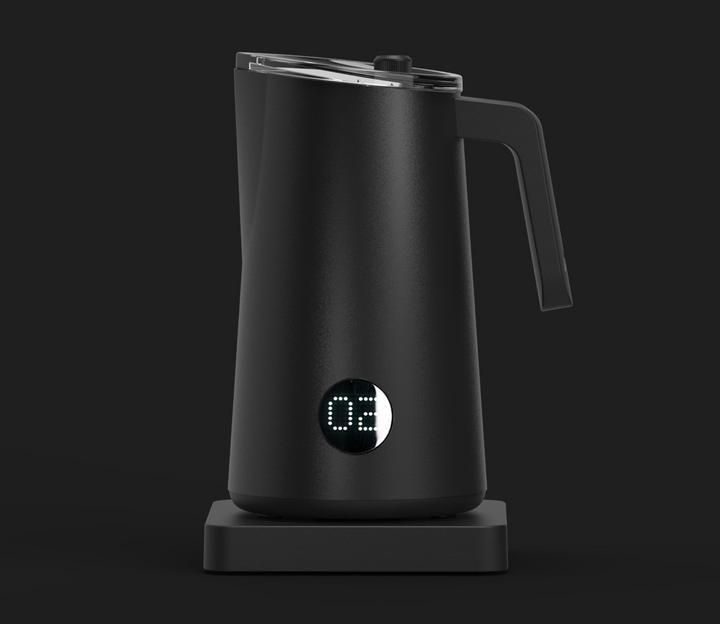
Description ( NanoFoamer® PRO ):
The Subminimal NanoFoamer Pro is an automatic microfoam maker that produces cafe-quality textured milk at home. It heats and aerates milk using a high-speed impeller system without any steam wand. This tool helps create smooth microfoam for cappuccinos, lattes, and other milk-based drinks.
Key Features of the NanoFoamer Pro
-
Hands-free operation with impeller speeds up to 8,000 RPM
-
Five preset programs for different drink sizes and foam thickness levels
-
Adjustable impeller height in 0.4 mm increments for custom vortex control
-
Three flow controllers optimized for dairy and plant-based milks
-
Even heating to around 70°C with minimal hot spots
-
Double-walled jug stays cool to the touch and carries IPX5 splash-proof rating
-
Easy-clean design with removable NanoScreen and rinse-under-water maintenance
Benefits for Home Baristas
-
Creates finer, creamier, and more stable microfoam than handheld frothers
-
Performs reliably with popular oat, almond, and other plant milks
-
Saves time by texturing milk while espresso extracts
-
Supports beautiful latte art results with less practice required
-
Runs quietly and fits neatly into busy home kitchens
Great microfoam elevates the taste and texture of every milk-based coffee. The NanoFoamer Pro makes that professional quality repeatable and accessible.

Description (Subscale®):
The Subminimal Subscale combines a dosing cup and built-in scale in one compact device. It lets you weigh beans and pour them directly into the grinder without extra tools or repeated zeroing. This all-in-one design keeps coffee stations tidy and workflows efficient.
Key Features of the Subscale
-
Hidden LED display activates with a touch for clear weighing
-
Double tap switches between grams and ounces instantly
-
Food-safe Tritan body handles hot or cold contents safely
-
IPX4 splash resistance allows easy rinsing under running water
-
USB-C rechargeable with smart auto shut-off after 30 or 60 seconds
-
Compact 80 by 80 by 105 mm size with 120 ml cup capacity and up to 99.9 g display
Benefits for Daily Coffee Routines
-
Reduces steps by combining weighing and dosing in one motion
-
Cuts down on countertop clutter and speeds up morning prep
-
Delivers accurate single dosing or larger batch measurements
-
Works well for espresso, pour-over, French press, and even tea leaves
-
Offers a clean minimalist look that suits any coffee corner
Accurate dosing supports consistent grind results and better extraction. The Subscale brings that precision with minimal effort and maximum convenience.
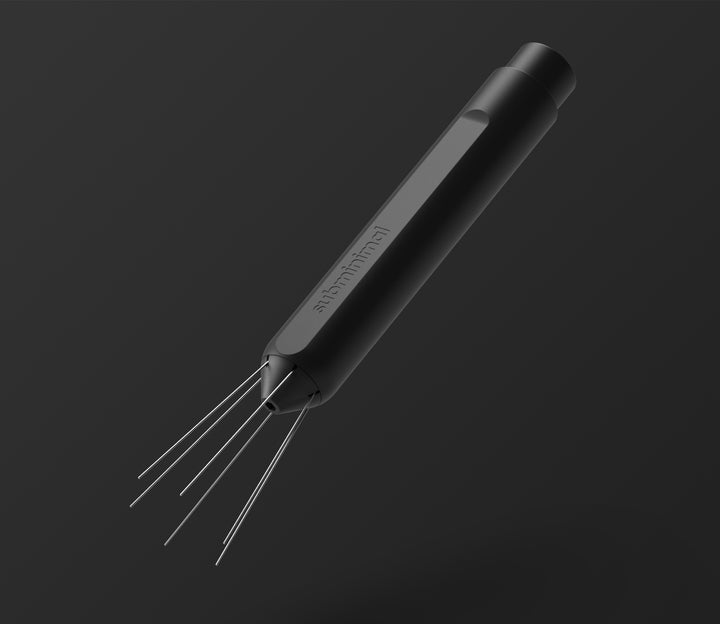
Description (Flick® WDT Tool):
The Subminimal Flick is a retractable WDT tool designed for precise espresso puck preparation. It removes the usual frustrations of exposed needles while turning distribution into a fast and satisfying step. Home baristas use it to create an even coffee bed before every shot.
Key Features of the Flick WDT Tool
-
One-click magnetic mechanism pops out the needles instantly
-
Simple wrist flick retracts them safely for storage
-
Includes 0.5mm needles installed and a full set of 0.35mm replacements
-
Compact size of 110 by 18 by 18 mm and only 48 grams in weight
-
Comes with an aluminum base stand plus magnetic mounting options
-
Works for both standard dry and wet WDT methods
Benefits for Espresso Workflows
-
Promotes uniform grounds distribution for better extraction and flavor
-
Prevents bent needles and accidental contact during handling
-
Keeps your station clean and organized between uses
-
Supports consistent results for bottomless shots and latte art practice
-
Fits easily into any home setup without extra bulk
Good puck preparation forms the base of every great espresso. The Flick delivers that consistency with smart, user-friendly design.
Discover Also:
Pro Tips And Interesting Details For Better Results
Use the freshest espresso you can produce. Pre-ground or weak coffee lacks the oils that help create good foam and flavor. Taste before the final strain and adjust sweetness or coffee intensity based on your specific ingredients. Serve immediately because the foam settles and the drink warms quickly after pouring.
An interesting cultural detail is that the espresso martini represents one of the early successful fusions of Italian espresso culture with British and American bar traditions. Its continued popularity demonstrates how a functional request in a 1980s Soho bar created something that still feels relevant in today’s coffee and cocktail scenes. For readers who enjoy expanding their espresso knowledge, resources on traditional milk-and-espresso formats offer helpful complementary reading.
Frequently Asked Questions About Espresso Martinis
How do you achieve the signature foam in an espresso martini?
The foam comes from vigorous shaking that aerates the mixture and incorporates air into the natural oils and proteins found in fresh espresso. A hard, consistent shake for fifteen to thirty seconds until the shaker feels very cold and frosted on the outside produces the best results. Using room-temperature espresso and plenty of fresh ice also helps create a stable layer of creamy foam on top of the finished drink. This technique is what gives the cocktail its distinctive texture that sets it apart from stirred coffee drinks.
Why should the espresso be cooled before adding it to the shaker?
Cooling the espresso to room temperature prevents it from melting the ice too quickly during shaking, which would over-dilute the cocktail and weaken the flavor. Hot espresso shocks the ice and releases excess water into the mixture before the proper aeration can occur. Allowing the shot to rest for a few minutes after brewing keeps the balance of coffee intensity, vodka warmth, and liqueur sweetness intact throughout the shaking process.
What role does the choice of coffee liqueur play in the final taste?
The coffee liqueur determines much of the sweetness level and the depth of coffee flavor in the finished drink. A traditional option brings vanilla and molasses notes that soften the bitterness of the espresso, while a drier style emphasizes brighter coffee character with less sweetness. Adjusting or omitting a small amount of simple syrup based on the liqueur you choose helps achieve the exact balance you prefer without overpowering the other ingredients.
How can precise espresso preparation tools improve the quality of this cocktail?
Tools that support accurate dosing and even grounds distribution lead to cleaner, sweeter espresso shots with better crema and less bitterness. This improved base carries through to the final cocktail, creating more nuanced flavor and more stable foam after shaking. Many home users find that consistent puck preparation results in espresso that tastes brighter and more balanced when mixed with vodka and coffee liqueur.
How does the espresso martini compare to traditional milk-based espresso drinks?
The espresso martini stands apart because it contains no milk and relies on vodka and coffee liqueur for its structure and sweetness instead of steamed or frothed milk. Traditional drinks such as the piccolo or cortado use different ratios of milk to espresso to create their texture and balance, while the martini achieves its creamy top entirely through shaking. This makes the martini a spirit-forward option that highlights the coffee notes in a chilled, refreshing format rather than a hot or milky one.
Read Also: