Piccolo, Cortado and Macchiato. What's the difference?
In this article, we'll break down the origin, milk ratio, espresso base, and key differences between each drink so you know exactly what you're ordering, or making at home. Want a deeper look at one of them? Read the full Piccolo coffee guide on the blog before you dive in here.
Quick Reference
|
Drink |
Espresso Base |
Milk Amount |
Milk Texture |
Serve Size |
Origin |
|
Piccolo |
Single ristretto |
~60–80ml |
Silky microfoam |
~90–100ml |
Australia |
|
Cortado |
Single/double espresso |
Equal to espresso |
Lightly steamed, minimal foam |
~90–120ml |
Spain (Basque) |
|
Macchiato |
Single/double espresso |
1–2 tsp dollop |
Small foam dollop or light foam |
~60–75ml |
Italy |
What Is a Piccolo?
The piccolo (short for piccolo latte) is a small milk-based espresso drink from Australia. The name means "small" in Italian, but the drink itself is a product of Australian café culture, where baristas wanted something between a macchiato and a full latte.
How a Piccolo Is Made
A piccolo is built on a single ristretto shot, not a standard espresso. A ristretto uses the same amount of coffee grounds but only half the water, producing a shorter, sweeter, and more concentrated shot. That ristretto is then topped with around 60–80ml of steamed milk with a thin layer of silky microfoam, poured into a small 90ml demitasse glass.
-
Espresso base: Single ristretto (~15–20ml)
-
Milk: ~60–80ml lightly steamed, fine microfoam on top
-
Serve size: ~90–100ml in a small glass
-
Milk texture: Silky and velvety, like a mini latte
-
Origin: Australia (Sydney/Melbourne café culture)
The piccolo tastes sweet and creamy with a rich coffee backbone. Because ristretto is naturally less bitter than a standard espresso shot, the milk amplifies the sweetness rather than masking the coffee. It's perfect for someone who loves milk drinks but wants a smaller, more coffee-forward option than a flat white or latte.
What Is a Cortado?
The cortado comes from Spain, specifically from the Basque region, where it became a staple working-class coffee drink in the early 20th century. The name comes from the Spanish verb cortar, meaning "to cut." The milk literally cuts through the espresso's acidity, softening it without diluting it.
How a Cortado Is Made
A cortado uses a standard single or double espresso shot, not ristretto, combined with an equal amount of steamed milk. The classic ratio is 1:1 espresso to milk, typically 2oz of each for a 4oz total drink. The milk is steamed to be smooth and warm with very little to no foam, just enough texture to integrate with the espresso.
-
Espresso base: Standard single or double shot
-
Milk: Equal parts steamed milk, minimal froth
-
Serve size: ~90–120ml in a small glass (often handle-less)
-
Milk texture: Velvety steamed milk, nearly foam-free
-
Origin: Basque region, Spain
The cortado tastes bold but balanced. The espresso holds its character while the milk smooths out the edges. Read more about it in the full cortado coffee guide from Subminimal. It suits people who want the strength of espresso with just enough milk to take the sharpness away.
At home, nailing the milk texture for a cortado is all about steaming technique. Check out Subminimal's breakdown of milk steaming techniques to get the right result every time. The NanoFoamer paired with the FlowTip Milk Jug gives you precise control over the texture, especially useful when you need minimal foam, not a thick cap.
Discover the Best Handheld Milk Frother in 2026 - Subminimal
NanoFoamer Go

Description (NanoFoamer Go):
The compact handheld milk foamer built for real results. We took the world’s best handheld milk foamer, made it smaller, more powerful, and even more versatile. The NanoFoamer GO delivers silky, latte art quality microfoam that rivals commercial espresso machines.
What it does
-
Creates professional microfoam for coffee
-
Mixes protein shakes and matcha
-
Whisks cream, eggs, sauces, and desserts
Three interchangeable impellers give you Mix, Foam, and Whisk modes. Two speeds let you fine tune texture every time.
Power and performance
-
Up to 5,300 RPM high speed
-
4,200 RPM low speed
-
Patented NanoScreen technology
-
Silky liquid velvet microfoam in seconds
Built for everyday and travel
-
Ultra compact at just 76g
-
USB-C rechargeable
-
IPX-4 water resistant for easy rinsing
-
Matching travel case included
-
Available in 10 colours
Every purchase also unlocks exclusive access to the Subminimal latte art masterclass. Whether you want café style flat whites at home, cold foam for iced drinks, or a versatile tool for mixing and whisking, the NanoFoamer GO is designed to perform without the bulk or complexity of traditional gear.
NanoFoamer

Description (NanoFoamer):
Create silky, café-style microfoam in seconds with the Subminimal NanoFoamer – the world’s best handheld milk foamer designed for serious home baristas. Whether you’re perfecting a cappuccino, crafting a creamy flat white, or elevating your matcha latte, the NanoFoamer delivers superfine microfoam worthy of any coffeehouse.
Why NanoFoamer?
-
True Microfoam Technology – Unlike standard frothers, the NanoFoamer creates invisible microbubbles that result in smooth, velvet-like milk – perfect for latte art.
-
Battery or Rechargeable Options – Choose between the V2 (AA battery-powered) or the upgraded Lithium (USB-C rechargeable) model with dual-speed settings.
-
Compatible with Dairy & Milk Alternatives – Designed to work beautifully with barista-style oat, almond, soy, or dairy milks.
-
Easy to Use, Easier to Clean – Waterproof and intuitive, with upgraded clip-on NanoScreens and a replaceable polycarbonate impeller for durability and performance.
What’s Included:
-
NanoFoamer (V2 or Lithium)
-
2 NanoScreens: Fine & Superfine
-
Protective Hood
-
Wall Mount
-
Free Latte Art Masterclass
Technical Specs:
|
Feature |
V2 |
Lithium |
|
Power |
2 × AA Batteries |
USB-C Rechargeable (1300mAh) |
|
Speed |
3,000 RPM |
Dual Speed: 3,000 & 4,000 RPM |
|
Weight |
104g |
135g |
|
Waterproof |
✅ |
✅ |
|
NanoScreens |
Fine & Superfine |
Fine & Superfine |
|
Impeller |
Replaceable Polycarbonate |
Replaceable Polycarbonate |
Discover Subminimal products and elevate every drink.
Discover Also:
What Is a Macchiato?
The macchiato (caffè macchiato) is the oldest and smallest of the three drinks, born in Italian espresso bar culture. In Italian, macchiato means "marked" or "stained", and that's exactly what happens here. A shot of espresso gets marked with just a small spoonful of milk foam.
Macchiato: Italian vs. Starbucks Version
The traditional Italian macchiato is straightforward: one shot of espresso with 1–2 teaspoons of milk foam spooned on top, nothing more. It's the smallest and most espresso-forward of these three drinks. The milk barely touches the coffee; it just softens the very top and adds a hint of creaminess.
-
Espresso base: Single or double shot
-
Milk: Just 1–2 teaspoons of milk foam (a small dollop)
-
Serve size: ~60–75ml in an espresso cup
-
Milk texture: Light dry foam, not microfoam, not steamed milk
-
Origin: Italy
The Starbucks macchiato is a different animal. Their popular "Caramel Macchiato" is closer to a latte macchiato, a large cup of steamed milk marked with espresso poured on top, then finished with caramel drizzle. It shares the name but not the concept. If you want a traditional macchiato at Starbucks, order the espresso macchiato specifically.
The macchiato is for true espresso lovers. The flavor is intense, bold, and only slightly softened by that tiny foam touch. If you want to try milk frothing at home to make one yourself, the process is simpler than it sounds, a small amount of foam from a NanoFoamer is all you need. Not sure where to start? Read what is a milk frother to understand what tool fits your setup.
Piccolo vs Cortado vs Macchiato: The Key Differences
All three drinks start with espresso and add a small amount of milk, but that's where the similarity ends. The espresso type, the milk volume, the foam texture, and the overall flavor all diverge in meaningful ways
Here's how they break down:
-
Milk-to-espresso ratio: Macchiato has the least milk (~1:8 or less); cortado is 1:1; piccolo is roughly 1:2 (ristretto to milk)
-
Foam texture: Macchiato uses a dry foam dollop; cortado uses smooth steamed milk with minimal foam; piccolo uses fine like a mini latte
-
Drink size: Macchiato is smallest (~60–75ml); piccolo and cortado are similar (~90–120ml)
-
Espresso type: Piccolo uses ristretto; cortado and macchiato use standard espresso
-
Flavor profile: Macchiato = bold and intense; cortado = balanced; piccolo = sweet and creamy
-
Best for: Macchiato → espresso purists; cortado → those wanting balance; piccolo → milk drink fans who still want coffee punch
Getting the foam right makes a big difference across all three. The NanoFoamer lets you dial in texture from light dry foam (macchiato) to silky microfoam (piccolo) without a commercial machine. If you're comparing options, the best handheld milk frother guide on Subminimal breaks it all down.
How to Make a Piccolo, Cortado, or Macchiato at Home
You don't need a full café setup to pull off any of these three drinks. The core tools are simple, and the process follows the same basic steps, with a few key divergences depending on which drink you're making.
Equipment you'll need:
-
Espresso machine or moka pot (for the espresso base)
-
Subminimal NanoFoamer or NanoFoamer Pro (for milk texturing)
-
FlowTip Milk Jug (for controlled pouring)
-
Small glass or espresso cup (90–120ml for piccolo/cortado, espresso cup for macchiato)
-
Contactless thermometer (to hit the right milk temperature)
Step-by-step process:
-
Pull your shot. For a piccolo, use a ristretto (half the water of a standard shot). For a cortado or macchiato, pull a standard espresso shot.
-
Measure your milk. Piccolo: ~60–80ml. Cortado: equal to your espresso (~60ml). Macchiato: just 1–2 teaspoons.
-
Froth your milk. For the piccolo: use your NanoFoamer with a NanoScreen to create silky, pourable microfoam. For the cortado: froth lightly, you want smooth warm milk with minimal foam. For the macchiato: froth to create a small amount of dry, foamy foam only.
-
Check temperature. Use your contactless thermometer to keep milk around 55–65°C. Follow the full milk temperature guide if you're unsure.
-
Combine. For piccolo and cortado: pour the milk gently over the espresso in a small glass using the FlowTip Milk Jug. For macchiato: spoon the foam dollop on top of your espresso.
Tips for nailing the milk texture:
-
Piccolo microfoam should look glossy and flow like wet paint, not bubbly
-
Cortado milk should be barely frothy, think warm steamed milk with a slight sheen
-
Macchiato foam should be light and airy, not dense
-
Keep your milk cold before frothing, it gives you more control
Check out Subminimal's guide on 8 ways to froth milk at home for a wider range of methods, and the milk steaming techniques blog for step-by-step texture guides.
Piccolo, Cortado, or Macchiato, Which One Should You Try?
Not sure which one to order? Here's a simple way to decide:
-
Love bold espresso with just a tiny touch of milk? → Go with the macchiato. It's the most coffee-forward of the three and barely touches the espresso's intensity.
-
Want balanced espresso and milk in equal parts? → Go with the cortado. It's the middle ground, strong but smooth.
-
Prefer a small milky drink with a sweet, delicate finish? → Go with the piccolo coffee. The ristretto base keeps it coffee-forward while the microfoam makes it feel indulgent.
Each of these drinks rewards you when made well at home. Once you have the right setup, a quality frother, a proper pouring jug, and a bit of practice, the results are genuinely café-grade. The NanoFoamer handles the hardest part (the milk), and if you want to level up your technique even further, the Latte Art Master Class from Subminimal walks you through everything from milk texture to pours.
Piccolo vs Flat White vs Latte
A flat white coffee sits in the same family as a piccolo, but it is the bigger sibling. A latte sits one step farther out. Same building blocks. Different balance. Shot count comes first. A piccolo is built on a single ristretto. A flat white is usually built on a double espresso. A latte is also usually a double, then stretched with much more milk. That is why a flat white can taste bolder than a piccolo even when the piccolo feels more concentrated sip for sip.
Milk volume comes second.
-
A piccolo keeps milk tight around one short shot. It drinks like a mini latte, not a full one.
-
A flat white adds enough steamed milk to fill a small cup, with only a thin sheet of glossy microfoam.
-
A latte uses the most milk of the three. The espresso is still there, but it sits under a longer, softer pour.
Texture is the third split. Piccolo and flat white both want silky microfoam that blends into the coffee. A latte wants that same wet, paint-like milk, just more of it. A dry foam cap belongs to other drinks, not this group. How to use a milk frother wand is the same skill with different air time. Short stretch for a flat white. A little more stretch for a latte. Almost no extra air for a piccolo.
Cup choice follows the recipe. A piccolo stays in a small glass. A flat white usually lands in a compact ceramic cup. A latte needs a larger cup because the milk needs room. A FlowTip milk jug helps those three pours stay tidy, since each one uses a different milk volume in the pitcher. Pitcher size follows the drink too, which is why milk frothing pitchers are chosen by cup, not by habit.
Taste is simple once the sizes are clear.
-
Want a small, sweet, coffee-forward milk drink? The piccolo coffee stays closest to the ristretto.
-
Want more coffee in the cup with the same glossy milk? The flat white is the middle path.
-
Want a longer, gentler milk coffee? The latte is the one that drinks slowly.
A Melbourne Magic coffee sits near this group too. It uses a double ristretto with less milk than a flat white, so it tastes closer to a compact flat white than to a piccolo. Home setups that already handle espresso and milk can make all three. Products for coffee cover the shot. Products for milk cover the texture. The drink name changes. The workflow does not. Latte art is optional on a piccolo. The glass is small, and the milk layer is thin. A flat white and a latte give more surface for a heart or a simple tulip, which is why latte art shows up more often on those two.
How Much Caffeine Is in a Piccolo, Cortado, and Macchiato?
Caffeine follows the shot, not the nickname on the menu. A piccolo starts with one ristretto. A ristretto uses the same coffee dose as a normal shot, then stops early. The cup tastes dense. The caffeine still comes from that single pull, so a piccolo is usually the lighter option in this trio.
A cortado is the opposite case in many cafés. It is often a full espresso, and many bars pull it as a double, then cut it with equal milk. More coffee in the glass means more caffeine, even when the drink looks almost the same size as a piccolo. That is the quiet difference inside a classic cortado coffee.
A macchiato swings either way. A single-shot macchiato stays close to a straight espresso. A double-shot espresso macchiato can match or pass a cortado, because the milk is only a mark on top. The foam does not add caffeine. It only softens the first sip.
A useful way to sort them:
-
Least caffeine, as a rule: piccolo, when it stays on one ristretto
-
Middle to high: cortado, when the bar uses a full shot or a double
-
Most variable: macchiato, because the shop chooses single or double
“Stronger” is a taste word. “More caffeine” is a shot-count word. A piccolo can taste punchy because the ristretto is sweet and short. A cortado can taste calmer because the milk is equal to the espresso. The calmer drink can still carry more caffeine.
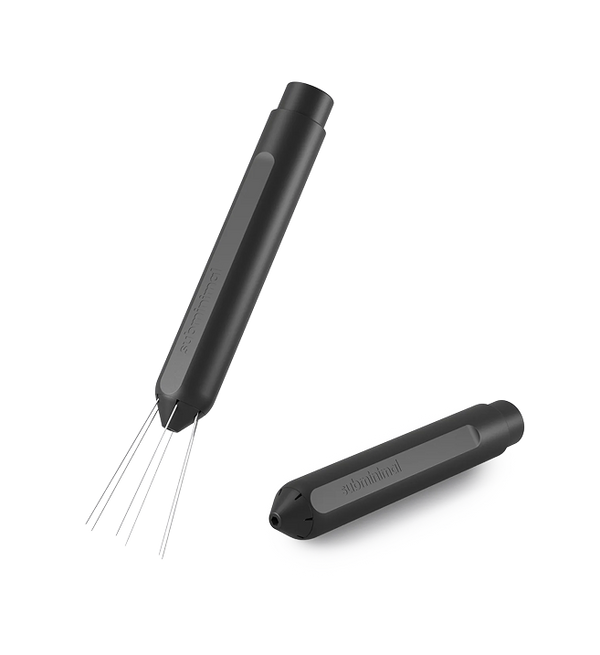
Dose control changes this at home more than the drink name does. A Subscale keeps the coffee weight steady from one morning to the next. A Flick WDT tool evens the puck so the ristretto or espresso extracts cleanly. An UpShot espresso mirror shows the flow while the shot runs, which helps a short ristretto stay short instead of turning into a longer, harsher pull.
Milk temperature does not add caffeine. It only changes how loud the coffee tastes. Warm milk around the sweet range keeps a piccolo creamy. Hotter milk can make a cortado taste flatter. A contactless thermometer is the quiet check for that, and the best milk thermometer guide maps the same idea across drink styles.
Plant milk does not change the caffeine either. Oat or almond only changes body and foam. The espresso still sets the lift. If two drinks on a menu look alike, ask how many shots are in the cup. That answer tells you more about caffeine than the name on the ticket.
Latest News In 2026
Small milk drinks stayed in the spotlight through 2026, and the tools around them got smaller, quieter, and easier to clean. Handheld frothers moved toward USB-C power and travel cases. The best travel milk frother in 2026 write-up tracks that shift: compact bodies, fine screens instead of wide coils, and foam that still works in a hotel mug. The same year, guides to the best USB rechargeable milk frother and the best mini milk frother made the same point. A piccolo or a macchiato does not need a café steam wand. It needs a small head that can make a short stretch of microfoam.
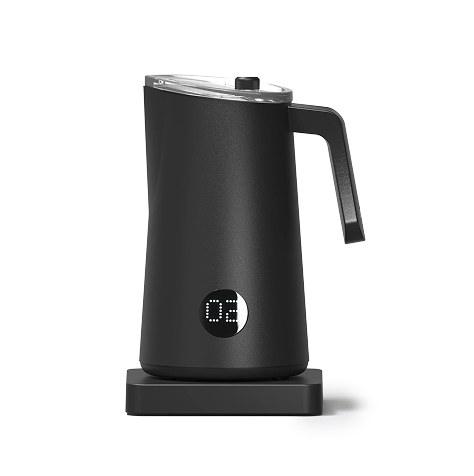
The NanoFoamer GO fits that 2026 pattern. It is built for tiny milk volumes, the kind a cortado or a macchiato actually uses, and it packs into a case when the routine leaves the kitchen. Counter tools moved the other way. Automatic frother units that heat and texture in one cycle stayed useful for people who make a flat white and a cortado on the same morning. The NanoFoamer PRO is the hands-free version of that idea. Temperature stays in a set band, so the milk for a small drink does not race past the sweet point while the shot finishes.
Technique writing caught up with the hardware. How to use a milk frother wand broke drinks down by air, not by brand names. Short surface time for a flat white. A spoon of foam for an espresso macchiato. Almost none for a cortado. How to clean a milk frother after every use landed in the same season, because leftover milk fat is what ruins the next piccolo texture.
Pitcher size got more attention too. The best milk frothing pitchers notes that a smaller jug is easier when the drink only needs a splash of milk. A large pitcher still works for a latte. It is clumsy for a macchiato. Recipe pages followed the same compact-drink trend. Beside the flat white guide, 2026 added clearer notes on Australian short milks, plus iced formats like the Mont Blanc iced coffee. The hot drinks in this article and those cold drinks share one skill: control the foam so it matches the cup, not the other way around. Broader coffee tools in 2026 writing put milk texture next to dosing and puck prep, not after them.
Spare parts stayed part of the story. Screens and impellers wear out when they work every day. The spare parts collection is where those pieces live, so a frother used for piccolos in the morning and matcha later still holds a fine bubble. None of this changed what a piccolo, cortado, or macchiato is. It changed how easy those three drinks are to repeat at home.
FAQ
Is a piccolo the same as a cortado?
They're similar but not the same. The biggest differences are the espresso shot type and milk ratio. A piccolo uses a ristretto shot, shorter and sweeter, while a cortado uses a standard espresso. The piccolo also has more milk relative to the espresso (roughly 2 parts milk to 1 part coffee), while the cortado is a strict 1:1. In terms of taste, the piccolo comes across as sweeter and creamier, while the cortado feels more direct and balanced. They're served in similarly sized glasses, which is why they get confused, but inside the cup, the drinks are built quite differently.
Is a cortado stronger than a piccolo?
It depends on how you define "stronger." A cortado uses a full espresso shot and a 1:1 milk ratio, which keeps the coffee flavor prominent without softening it too much. A piccolo uses a ristretto, which is actually more concentrated than espresso but has less caffeine overall because it uses less water. In terms of perceived boldness, most people find the cortado to taste more intense, it has less milk relative to the espresso's natural bitterness than the piccolo does. That said, the ristretto in a piccolo delivers a sweeter, more syrupy punch that some drinkers find equally powerful.
What's the difference between a macchiato and a latte?
A latte is a large drink, typically 8–12oz, made with a full espresso shot and a substantial amount of steamed milk and thin microfoam. A traditional macchiato is the opposite: just a single espresso shot with a teaspoon or two of foam dolloped on top. The latte is milk-dominant; the macchiato is espresso-dominant. The Starbucks "macchiato" drinks (like the Caramel Macchiato) are much closer to a latte macchiato, steamed milk with espresso poured over the top, and don't represent the traditional Italian version. If you order a macchiato expecting a latte, you're going to get a very different, and much smaller, drink.
What milk does a traditional macchiato use?
A traditional Italian macchiato uses just a tiny amount of whole milk, frothed into a dry foam. The foam is spooned, not poured, onto the top of the espresso shot. Some baristas use steamed milk instead of foam, but the defining characteristic is the minimal quantity: 5–10 grams at most. The milk isn't meant to change the drink; it's meant to mark it. That's a far cry from the layered, sweet, flavored "macchiatos" you'll find at chain coffee shops, which use much more milk and often syrups to build a completely different drink.
Is a piccolo just a small latte?
No. A latte is a long milk coffee built to drink slowly, usually on a full espresso or a double. A piccolo coffee is a short tasting drink built on ristretto, so the sweetness of the shot stays close to the surface. The milk is there to round the edges, not to turn the cup into a breakfast-size latte. Calling it a baby latte is a useful shortcut for texture. It is a poor shortcut for the recipe, the glass, and the way the coffee finishes.
Is a flat white stronger than a piccolo?
In the whole cup, a flat white coffee often feels stronger because it is commonly a two-shot drink with more total espresso. In each sip, a piccolo can still taste tighter, because the milk never has room to hide the ristretto. People who say “strong” sometimes mean caffeine, and sometimes mean how loud the coffee is on the tongue. Those two things split here. The flat white is the longer, heavier cup. The piccolo is the shorter, sweeter one.
Can a cortado be made with ristretto?
Yes. Some bars pull a short shot, then add equal warm milk, which leans the drink toward the same sweetness people like in a piccolo. A classic cortado coffee still uses a normal espresso so the cut stays even, coffee and milk in the same amount. The ristretto version is a house twist, not a different category. If the menu only says cortado, the safe assumption is a standard shot with almost no foam.
What is the difference between a cortado and a Gibraltar?
They share the same idea: espresso cut with a small amount of steamed milk and very little foam. A Gibraltar is that drink in a short faceted glass that became common in San Francisco specialty rooms. Some shops texture the Gibraltar milk a touch glossier, closer to a thin flat white sheet. Others treat the two names as one recipe. The glass and the local habit are the real markers, not a secret third ratio.
How is a Melbourne Magic different from a piccolo?
A Melbourne Magic coffee is a double ristretto with restrained, glossy milk in a small ceramic cup. A piccolo is a single ristretto in a smaller glass, with a little more milk relative to that one short shot. Both come out of Australian café habits and both want fine microfoam, not a dry cap. The Magic drinks heavier and sits closer to a compact flat white. The piccolo stays the tasting-size milk coffee.
Does plant milk change these three drinks?
It changes body and foam, not the espresso. Barista-style oat milk is the easiest match for a piccolo because that drink wants pourable microfoam. A cortado is more forgiving, since the milk should stay almost flat. A macchiato is the fussiest, because a thin alternative may not hold a small dollop on the crema. Fat level and “barista” formulation matter more than the plant name on the carton. The shot still sets the caffeine and most of the flavor.
Can latte art go on a cortado?
A small heart can sit on a cortado if the milk is glossy and the glass has a little surface left. Latte art needs wet, blended foam, and a cortado is built to keep that foam thin on purpose. A tall pattern usually means the milk took in too much air for this drink. A milk jug helps a tight pour, but the recipe still comes first. The even mix of espresso and milk is the point, not the drawing on top.
Why do some menus mix up these names?
The cups look similar from a step away, and cities borrowed the names at different times. Some rooms use piccolo and cortado for any small milk coffee. Some use Gibraltar for the same build as a cortado. A piccolo, a cortado, and a macchiato only stay distinct when the order includes the shot type, the milk amount, and the foam. If the difference matters, ask for the build: ristretto with silky milk in a small glass, equal espresso and warm milk, or espresso marked with a spoon of foam.
Do you need a steam wand for a piccolo or a macchiato?
No. These drinks use very little milk, so the tool only has to make a short, fine texture. A handheld unit such as the NanoFoamer GO, or a hands-free NanoFoamer PRO, can cover that range without a machine wand. The best espresso milk frother guides sort tools by the foam those small cups need, not by café hardware. A steam wand is one path. Clean milk and a short stretch are the actual requirement.
What time of day fits each drink?
A piccolo fits a mid-morning or afternoon cup when a full latte feels long and a second double shot feels like too much. A cortado fits the same window when the goal is more espresso in a still-small glass. An espresso macchiato fits the moment when the shot should stay almost plain. Time of day is personal. Shot count is what changes the lift, which is why the same three names can sit at breakfast or later without changing the recipes themselves.
Related to this blog:
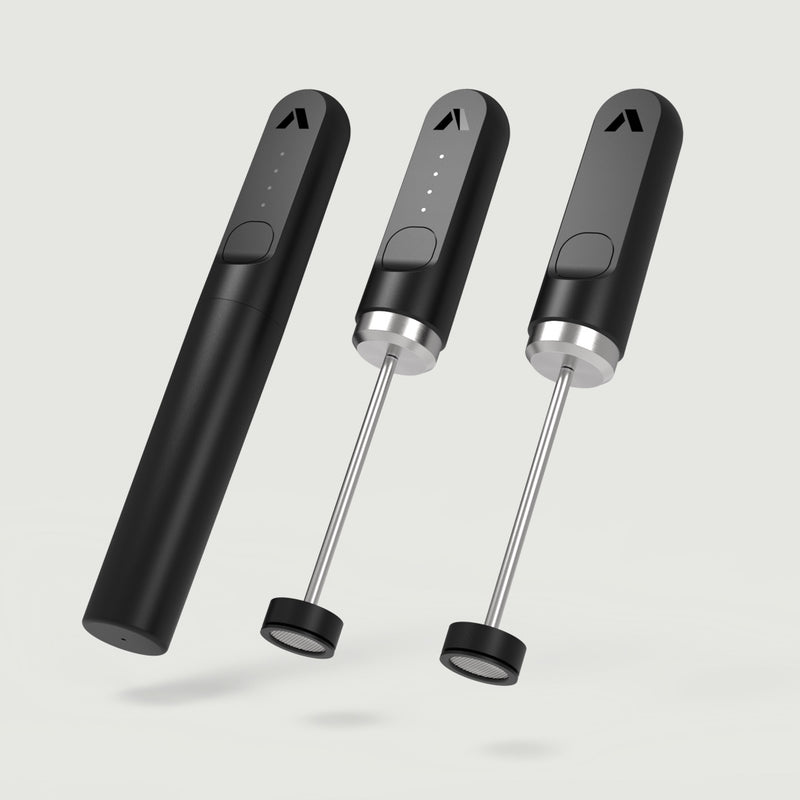
When my steamer died, I thought I'd try the NanoFoamer while I waited. Well, I'm sold! I never thought I could get that milk so silky at home. And so quick, and portable. My new favorite!