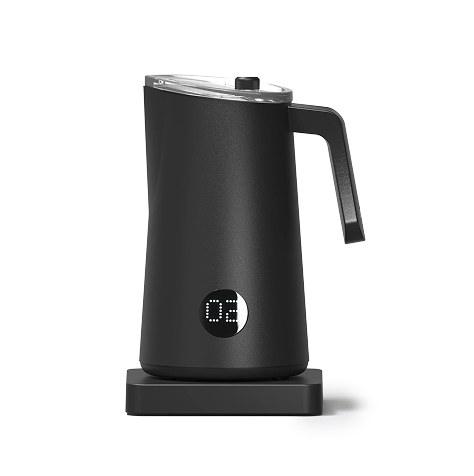
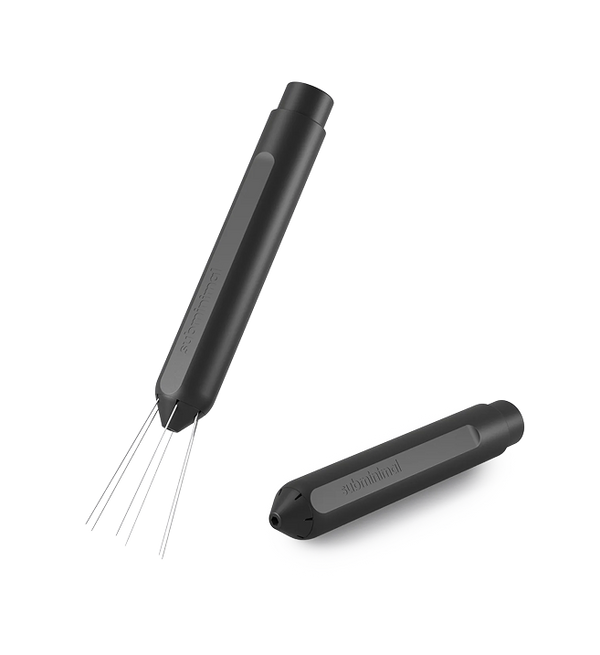
Best Milk Frother in the UK in 2026
Finding the best milk frother in the UK means choosing between electric automatic models, handheld battery-powered options, and manual frothers that suit your kitchen space and coffee routine. Discover the Best Milk Frother in the UK in 2026.
Create barista-quality microfoam automatically with precision temperature control that synchronizes perfectly with your espresso preparation - Subminimal
Types of Milk Frothers Available in the UK
Electric Automatic Frothers
Electric frothers heat and froth milk simultaneously, typically in 90 seconds or less. These standalone units offer multiple temperature settings and foam densities, making them suitable for cappuccinos, lattes, and hot chocolate without manual effort. Most models feature dishwasher-safe components and can handle both dairy and plant-based milks.
Handheld Battery-Powered Frothers
Handheld frothers provide portability and quick operation for single servings. Battery-powered models deliver professional-level microfoam through high-speed whisking action. These compact tools suit small UK kitchens and flat dwellers who want barista-quality results without countertop appliances.
Manual Frothers
Manual pump frothers require physical effort but offer complete control over foam texture. These steam-free options work well for cold foam and give you hands-on experience with the frothing process. They're quiet, affordable, and need no electricity or batteries.
What to Look for in a Milk Frother
Temperature Control and Monitoring
The Specialty Coffee Association recommends frothing milk between 55-65°C for optimal sweetness perception and foam stability. Above 70°C, milk loses sweetness and develops a cooked flavour that ruins latte art potential. Temperature monitoring tools help UK baristas hit this sweet spot consistently, especially when working with temperature-sensitive oat milk and almond milk.
Foam Quality and Texture Options
Microfoam creates the velvety texture needed for latte art, with tiny bubbles that integrate smoothly into espresso. Rich creamy foam produces the thick cap perfect for cappuccinos. Cold foam works for iced coffee drinks. Different frothers excel at different textures, some offer customizable settings while others specialize in one style.
Capacity and Kitchen Space
Single-serving frothers (120-150ml) suit individuals and small UK flats, whilst larger capacity models (250-500ml) accommodate families. Consider your countertop or storage space before choosing between compact handheld models and automatic electric frothers.
Plant-Based Milk Performance
Oat milk, almond milk, and soy milk behave differently than dairy when frothed. Barista-blend versions contain added fats and proteins for better foam stability. Look for frothers with adjustable speed settings or dedicated plant-based milk programmes if you regularly use dairy alternatives.
Top 32 Best Milk Frothers in the UK in 2026
1. Subminimal - Best Milk Frother in the UK in 2026
NanoFoamer Go

Description (NanoFoamer Go):
The compact handheld milk foamer built for real results. We took the world’s best handheld milk foamer, made it smaller, more powerful, and even more versatile. The NanoFoamer GO delivers silky, latte art quality microfoam that rivals commercial espresso machines.
What it does
-
Creates professional microfoam for coffee
-
Mixes protein shakes and matcha
-
Whisks cream, eggs, sauces, and desserts
Three interchangeable impellers give you Mix, Foam, and Whisk modes. Two speeds let you fine tune texture every time.
Power and performance
-
Up to 5,300 RPM high speed
-
4,200 RPM low speed
-
Patented NanoScreen technology
-
Silky liquid velvet microfoam in seconds
Built for everyday and travel
-
Ultra compact at just 76g
-
USB-C rechargeable
-
IPX-4 water resistant for easy rinsing
-
Matching travel case included
-
Available in 10 colours
Every purchase also unlocks exclusive access to the Subminimal latte art masterclass. Whether you want café style flat whites at home, cold foam for iced drinks, or a versatile tool for mixing and whisking, the NanoFoamer GO is designed to perform without the bulk or complexity of traditional gear.
NanoFoamer PRO

Description (NanoFoamer PRO):
Unlock the secret to velvety-smooth, café-style microfoam—without the espresso machine. The NanoFoamer PRO GEN-2 is the ultimate hands-free microfoam maker, designed for coffee lovers who want professional results at home, fast and effortlessly. Whether you're using dairy or plant-based milk, this precision-engineered device transforms your morning routine into a café-quality experience.
Why You’ll Love It
✅ Automatic & Hands-Free – Heat and foam your milk at the same time you're pulling your shot.
✅ Barista-Level Microfoam – Create rich, silky microfoam perfect for latte art.
✅ Works with All Milks – Dairy, oat, almond, soy—thanks to 3 optimized flow controllers.
✅ 5 Custom Programs – Tailor foam thickness and temperature to your drink of choice.
✅ Whisper-Quiet – Smooth operation with magnetic impeller height adjustment for perfect vortex control.
✅ Easy to Clean – IPX-5 water-resistant. Rinse it under the tap—no fuss.
✅ Portable & Sleek – Compact design that fits any kitchen setup.
What’s Included
- NanoFoamer PRO GEN-2 (EU Plug - 220V)
- 3 Flow Controllers (Black for dairy, Blue/Green for plant-based milks)
- Impeller height adjuster
- Free Latte Art MasterClass
- 30-Day Guarantee
- 1-Year Limited Warranty
Product Specs
- Dimensions: 12 × 12 × 20 cm
- Weight: 800g
- Power: 400W
-
Voltage: 220V (EU Plug)
-
Capacity: 100–220 ml
-
Water Resistance: IPX-5
-
Cord Length: 70 cm
The NanoFoamer PRO Gen-2 is engineered for perfectionists, busy mornings, and passionate home baristas alike. Ditch the noisy steam wands and inconsistent frothers—Subminimal brings you microfoam that rivals your favorite café, right at home.
NanoFoamer

Description (NanoFoamer):
Create silky, café-style microfoam in seconds with the Subminimal NanoFoamer – the world’s best handheld milk foamer designed for serious home baristas. Whether you’re perfecting a cappuccino, crafting a creamy flat white, or elevating your matcha latte, the NanoFoamer delivers superfine microfoam worthy of any coffeehouse.
Why NanoFoamer?
-
True Microfoam Technology – Unlike standard frothers, the NanoFoamer creates invisible microbubbles that result in smooth, velvet-like milk – perfect for latte art.
-
Battery or Rechargeable Options – Choose between the V2 (AA battery-powered) or the upgraded Lithium (USB-C rechargeable) model with dual-speed settings.
-
Compatible with Dairy & Milk Alternatives – Designed to work beautifully with barista-style oat, almond, soy, or dairy milks.
-
Easy to Use, Easier to Clean – Waterproof and intuitive, with upgraded clip-on NanoScreens and a replaceable polycarbonate impeller for durability and performance.
What’s Included:
-
NanoFoamer (V2 or Lithium)
-
2 NanoScreens: Fine & Superfine
-
Protective Hood
-
Wall Mount
-
Free Latte Art Masterclass
Technical Specs:
|
Feature |
V2 |
Lithium |
|
Power |
2 × AA Batteries |
USB-C Rechargeable (1300mAh) |
|
Speed |
3,000 RPM |
Dual Speed: 3,000 & 4,000 RPM |
|
Weight |
104g |
135g |
|
Waterproof |
✅ |
✅ |
|
NanoScreens |
Fine & Superfine |
Fine & Superfine |
|
Impeller |
Replaceable Polycarbonate |
Replaceable Polycarbonate |
Discover Subminimal products and elevate every drink.
Discover Also:
2. Instant

Instant built its name on multi-function kitchen appliances, and its electric milk frother carries that same do-it-all philosophy into the coffee routine. The unit heats and froths milk in a single automatic cycle, with several temperature and foam density settings that let you move between a cappuccino, a latte, and a mug of hot chocolate without swapping tools. It handles both dairy and plant-based milks reasonably well, though results can vary slightly with thinner alternative milks compared to whole dairy. One-touch operation makes it approachable for anyone new to home frothing, and the dishwasher-safe components keep daily cleanup simple. Where it falls short of more compact options is footprint, this is a larger appliance that needs dedicated counter space, and its price sits above many entry-level handheld frothers, positioning it as a mid-range choice for households that want convenience over portability.
Key features:
-
Electric automatic frother with customizable temperature settings
-
Multiple foam density options for different coffee drinks
-
Suitable for lattes, cappuccinos, and hot chocolate
-
Works with dairy and plant-based milks
Pros:
-
Easy to use with one-touch operation
-
Consistent foaming results across milk types
-
Quick heating and frothing cycle
-
Dishwasher-safe components
Cons:
-
Larger footprint for small UK kitchens
-
Higher price point than handheld models
3. Nespresso

The Aeroccino4 is Nespresso's flagship frother and one of the most recognised names in the category, built to pair naturally with the brand's pod machines though it works with any espresso method. It produces notably rich, creamy foam suited to cappuccinos and lattes, and switches between hot and cold frothing modes depending on the drink. The whisk and jug are dishwasher-safe, which suits buyers who want minimal maintenance. Heating and frothing complete in around ninety seconds, and the unit performs well with oat milk alternatives, not just dairy. Its compact housing belies a decent capacity for a single or double serving, and the motor runs quietly enough for early starts in a shared flat. The main trade-offs are a premium price relative to its capacity and a jug that is best suited to individual servings rather than frothing for several people at once.
Key features:
-
Electric automatic frother with hot and cold settings
-
Dishwasher-safe components
-
Compact design despite larger capacity
-
Multiple foam texture options
Pros:
-
Creates rich, creamy foam consistently
-
Efficient heating and frothing in 90 seconds
-
Works well with oat milk and dairy alternatives
-
Quiet operation suitable for UK flats
Cons:
-
Premium pricing
-
Limited capacity for larger servings
4. Dualit

Dualit brings its familiar British kitchen heritage to milk frothing with a handheld, battery-powered model built for speed and simplicity, alongside larger electric options elsewhere in its range. The hand frother whisks milk to a workable foam in under thirty seconds, making it a practical grab-and-go tool for both hot and cold drinks. It performs reliably across dairy and most plant-based milks, though as with any handheld design, the final texture depends more on the user's technique than with an automatic machine. Its small size means it stores easily in a drawer, a genuine advantage for compact UK kitchens where an electric frother's footprint isn't practical. Affordability is one of its strongest selling points, offering a low-cost entry into better foam without the investment of an automatic unit. The obvious downsides are the need for batteries and the physical effort of holding and moving the whisk manually.
Key features:
-
Handheld battery-powered frother
-
Versatile for dairy and plant-based milks
-
Larger capacity electric models are available
-
Suitable for hot and cold frothing
Pros:
-
Reliable performance with consistent results
-
Quick frothing in under 30 seconds
-
Compact storage for small kitchens
-
Affordable entry point to quality frothing
Cons:
-
Requires batteries for handheld model
-
Manual effort needed for foam creation
5. Breville

Breville's Milk Cafe frother sits toward the premium end of the electric automatic category, built around adjustable temperature control and a set of interchangeable whisk attachments for different foam textures. This flexibility makes it a strong performer with plant-based milks, where precise heat and speed settings matter more than with dairy, and it consistently produces a fine, professional-looking microfoam suitable for latte art. The dishwasher-safe parts simplify cleanup after daily use, and the range of customisable settings appeals to buyers who want to fine-tune their results rather than rely on fixed presets. It does come at a higher price point than most frothers on this list, and the unit's size means it needs a reasonably generous stretch of counter space. For anyone regularly working with oat or almond milk and chasing consistent microfoam, though, it remains one of the more capable automatic options available.
Key features:
-
Electric automatic frother with customisable temperature
-
Multiple whisk attachments for different foam textures
-
Excellent performance with plant-based milks
-
Precise control over heating and frothing
Pros:
-
Customisable settings for different milk types
-
Creates professional-level microfoam
-
Works brilliantly with oat milk and almond milk
-
Dishwasher-safe parts
Cons:
-
High-end price point
-
Larger size requires counter space
6. Melitta

Melitta's Cremio is built around dependable, everyday performance rather than chasing premium features, and that shows in how consistently it handles daily lattes and cappuccinos. The electric frother switches between hot and cold settings and produces a creamy, well-structured foam across both dairy and plant-based milks, including good results with skimmed milk and oat milk specifically. Its compact design suits smaller UK kitchens without demanding much storage space, and the controls are straightforward enough that there's little learning curve involved. Value is where the Cremio makes its strongest case, offering solid mid-range performance at a price that undercuts many premium automatic frothers. It isn't the choice for larger households, as its capacity is better suited to one or two servings at a time, and the foam customisation options are more limited than on frothers with multiple dedicated programs.
Key features:
-
Electric automatic frother with hot and cold settings
-
Suitable for lattes, cappuccinos, and hot chocolate
-
Consistent performance with dairy and alternatives
-
Compact design for UK kitchens
Pros:
-
Creates creamy foam with good texture
-
Easy operation with clear controls
-
Works well with skimmed milk and oat milk
-
Good value for everyday use
Cons:
-
Mid-range capacity may not suit large families
-
Limited foam customization options
7. Hotel Chocolat

The Velvetiser takes a different angle to most entries on this list, built first for hot chocolate and milk-based drinks rather than coffee specifically, though it handles coffee drinks capably too. It produces a notably smooth, velvety texture across both hot and cold settings, and the purchase includes a mug and glass along with starter sachets, making it feel like a complete drink-making system rather than just an appliance. The fully recyclable packaging is a nice touch for environmentally minded buyers. For UK households where hot chocolate is as much a fixture as coffee, particularly through the colder months, it's a genuinely versatile choice that goes beyond a typical frother's remit. Its premium pricing sits at the upper end of the market, and its specialised focus on chocolate and dessert drinks means dedicated coffee purists may find more coffee-specific features elsewhere.
Key features:
-
Electric automatic frother designed for versatility
-
Settings for hot and cold chocolate and coffee drinks
-
Mug and glass included with purchase
-
Smooth texture creation for various beverages
Pros:
-
Exceptional hot chocolate results
-
Versatile for coffee and chocolate drinks
-
Fully recyclable packaging
-
Includes starter sachets and drinkware
Cons:
-
Premium pricing at upper market range
-
Specialised focus may not suit pure coffee enthusiasts
8. Salter

Salter's 3-in-1 frother is built around flexibility at an accessible price, combining warming, hot frothing, and cold foam functions in a single compact unit. That range of functions makes it a practical all-rounder for households that want to cover lattes, cappuccinos, and hot chocolate without buying separate tools for each. It works across dairy and plant-based milks and keeps the user interface simple, which suits anyone who wants reliable results without fiddling with multiple programs. Cleanup is straightforward thanks to its uncomplicated design. Where it gives ground to pricier competitors is foam refinement, the texture it produces is good rather than exceptional, and its capacity leans toward smaller servings rather than batches for a family. For UK buyers prioritising value and versatility over premium microfoam, though, it remains a sensible everyday pick.
Key features:
-
3-in-1 electric frother with multiple functions
-
Hot and cold frothing options
-
Suitable for lattes, cappuccinos, and hot chocolate
-
Compact design for small UK kitchens
Pros:
-
Versatile functionality at an affordable price
-
User-friendly operation
-
Works with dairy and plant-based milks
-
Easy cleanup
Cons:
-
Basic foam quality compared to premium models
-
Limited capacity for larger servings
9. Dreo

Dreo is a newer entrant to the UK frother market, and its BaristaMaker all-in-one unit has quickly built a reputation for producing genuinely high-quality microfoam through its heating and whisking technology. It runs impressively quietly for a motor-driven frother, a detail that matters in smaller flats and early mornings, and it performs well with plant-based alternatives including oat and almond milk, not just dairy. Multiple temperature and foam settings give it a level of control closer to premium brands than its price would suggest. As a relatively new name in the UK, it doesn't yet carry the brand recognition or long service history of more established competitors, which may factor into some buyers' decisions. It sits in the mid-to-high price bracket, but for the quality of foam it produces, it represents a strong option for anyone willing to try a less familiar brand.
Key features:
-
Electric automatic all-in-1 frother
-
High-quality microfoam production
-
Quiet operation suitable for UK flats
-
Works with dairy and plant-based milks
Pros:
-
Creates barista-quality microfoam
-
Very quiet during operation
-
Effective with oat milk and almond milk
-
Multiple temperature and foam settings
Cons:
-
Newer brand with less UK market presence
-
Mid-to-high price range
10. Lavazza

Lavazza's A Modo Mio Milk Easy frother leans into compact, quiet, everyday practicality rather than chasing premium features or a long list of settings. It's built specifically around milk-based coffee recipes and delivers consistent foaming results cycle after cycle, without the complexity of multiple programs to navigate. The quiet motor makes it a considerate choice for early risers in shared households, and its small footprint suits kitchens where counter space is limited. Pricing sits toward the accessible end of the electric frother category, making it an easy recommendation for anyone stepping up from manual frothing for the first time. Its capacity is best suited to single servings, so it isn't the ideal pick for larger households making several drinks at once, and its temperature control is more basic than adjustable premium models, though that simplicity is arguably part of its appeal.
Key features:
-
Electric automatic frother with compact design
-
Quiet operation
-
Suitable for milk-based coffee recipes
-
Consistent foam creation
Pros:
-
Very quiet operation for early mornings
-
Compact size for small spaces
-
Consistent foaming results
-
Good value pricing
Cons:
-
Limited capacity for single servings
-
Basic temperature control options
11. Bodum

Bodum's Bistro electric frother is built around a genuinely compact footprint, making it one of the more space-efficient automatic options for smaller UK kitchens. Despite its size, it heats and froths milk efficiently, producing foam that handles both dairy and plant-based milks, with particularly good results on oat milk. The straightforward, no-frills design keeps the price accessible, appealing to buyers who want an upgrade from manual frothing without a significant investment. Its small size does come with trade-offs, capacity is limited compared to jug-style automatic frothers, so it suits individual servings rather than frothing for a household. The feature set is basic relative to premium competitors, without multiple programs or adjustable temperature settings, but for anyone whose priority is a compact, affordable, reliable frother that fits neatly into a small space, the Bistro covers the essentials well.
Key features:
-
Electric automatic frother with compact design
-
Suitable for dairy and plant-based milks
-
Efficient heating and frothing cycle
-
Small footprint for UK kitchens
Pros:
-
Very compact for small spaces
-
Effective foam creation
-
Works well with oat milk
-
Affordable pricing
Cons:
-
Limited capacity
-
Basic features compared to premium models
12. Zulay

The Zulay Tornado is a handheld battery-powered frother built for speed, portability, and an accessible price point, and it's become a popular entry-level pick among UK home baristas working within a tighter budget. Its motor is genuinely powerful for a handheld design, whisking milk into usable foam quickly and with reasonably consistent results across dairy and thinner plant-based milks. Its small size makes it easy to store in a drawer, and it travels well for anyone who wants frothed milk away from home. Affordability is its standout feature, undercutting most electric automatic frothers by a wide margin while still delivering workable results for everyday lattes and cappuccinos. It does require batteries, which adds a small ongoing cost, and like all handheld frothers it depends on manual technique and effort rather than a fully automatic cycle to reach a good foam texture.
Key features:
-
Handheld battery-powered frother
-
Powerful motor for quick frothing
-
Portable and easy storage
-
Affordable entry-level option
Pros:
-
Effective frothing performance
-
Very affordable pricing
-
Powerful motor for consistent results
-
Compact and portable
Cons:
-
Requires batteries
-
Manual effort needed for foam creation
13. Aerolatte

Aerolatte represents the more traditional, steam-free handheld frother option in the UK market, and it has held a loyal following for years thanks to its simplicity and reliability. The battery-powered design uses a stainless steel whisk to aerate milk quickly, without any of the electronic settings or heating cycles found on automatic models. That straightforwardness is really the point, it's an affordable, low-maintenance tool that does one job consistently well, and its compact size makes it easy to tuck away in a drawer between uses. Cleaning takes seconds thanks to the simple whisk design. Where it comes up short against more modern frothers is features, there's no temperature control or foam customisation, and getting a good result depends more on the user's own technique than with an automatic unit. For buyers who value simplicity and a proven track record over technology, though, it remains a dependable classic.
Key features:
-
Handheld battery-powered steam-free frother
-
Classic simple design
-
Stainless steel whisk
-
Compact and portable
Pros:
-
Simple, reliable operation
-
Long-standing UK market reputation
-
Affordable pricing
-
Easy to clean and maintain
Cons:
-
Basic features with no temperature control
-
Manual frothing requires technique
14. Zwilling

Zwilling's Enfinigy frother stands out particularly for cold foam, an area where it performs more strongly than most electric automatic frothers on this list, while still offering versatile heating options for hot drinks. Multiple temperature settings give it real flexibility across different beverage styles, and it handles both dairy and plant-based milks with consistently good results. Build quality reflects Zwilling's broader reputation in kitchenware, with a premium feel that extends to the frother's construction and finish. For UK households that lean toward iced coffee and cold foam drinks as much as hot lattes, this versatility is a genuine point of difference. That capability comes at a higher price than most competitors, and the unit's larger size means it needs a reasonable amount of dedicated counter space, positioning it as a considered purchase for buyers who specifically want strong cold foam performance alongside hot frothing.
Key features:
-
Electric automatic frother with cold foam specialty
-
Versatile heating options for various drinks
-
Multiple temperature settings
-
Suitable for hot and cold beverages
Pros:
-
Excels in cold foam creation
-
Versatile temperature options
-
Works with dairy and plant-based milks
-
Premium build quality
Cons:
-
Higher price point
-
A larger size requires counter space
15. De'Longhi

De'Longhi's Lattecrema Hot & Cold system draws on the brand's long history with Italian espresso machines, translating that heritage into a jug-style electric frother built for reliability across both hot and cold frothing. The automatic heating warms milk gently and evenly, and the whisk attachment produces a consistently creamy foam whether the drink in question is a flat white or an iced latte. De'Longhi's presence across UK retailers makes it one of the easier premium frothers to find in person, alongside a strong service and warranty network behind it. It performs well across dairy and plant-based milks and runs quietly enough for early mornings. Its capacity is slightly smaller than some other jug-style competitors, which may matter for larger households, and its temperature options are limited to preset modes rather than fully adjustable settings, trading some flexibility for straightforward, dependable operation.
-
Key features: Jug-style electric automatic frother, hot and cold frothing modes, automatic temperature control, dishwasher-safe jug and whisk, compact footprint
-
Pros: Italian build quality with a strong UK service and warranty network, produces consistently creamy foam across dairy and plant-based milks, cold frothing mode handles iced coffee drinks well, quiet operation for early mornings
-
Cons: Slightly smaller capacity than other jug-style models, temperature customisation is limited to preset modes
16. Russell Hobbs

Russell Hobbs brings its familiar, no-nonsense British appliance reputation to milk frothing, and the result is a straightforward electric frother built for everyday practicality rather than advanced customisation. It automatically heats and froths milk for lattes, cappuccinos, and hot chocolate through simple single-button operation, with an automatic shutoff and non-stick interior that make it easy to live with day to day. It works well with dairy and the more common plant-based milks. Wide availability across UK supermarkets and appliance retailers, paired with a genuinely affordable price, makes it an easy first step for households moving from instant coffee to espresso-based drinks at home. The trade-off for that simplicity is limited foam customisation and fairly basic temperature control, without the adjustable programs or precision settings found on premium frothers, but for straightforward daily use it does exactly what's asked of it.
-
Key features: Electric automatic frother, single-button operation, automatic shutoff, non-stick interior, suitable for dairy and common plant-based milks
-
Pros: Widely available in UK supermarkets and appliance retailers, affordable entry price with solid build quality, very simple to use straight out of the box, non-stick interior cleans quickly
-
Cons: Limited foam texture customisation compared to premium models, basic temperature control without precise adjustment options
17. Smeg

Smeg's milk frother is as much a design statement as a kitchen tool, carrying the brand's distinctive retro-inspired aesthetic that pairs naturally with its equally recognisable kettles and toasters. Beneath that styling sits a capable electric automatic frother with both hot and cold modes, producing smooth, consistent foam suitable for lattes and cappuccinos, along with a cold foam setting that handles iced coffee drinks well. It's built to the same solid construction standards as the rest of the Smeg range, with a stainless steel body available in several colour finishes to match other appliances. For UK buyers who want their coffee station to look as good as it performs, it's a natural fit. The premium price largely reflects that design and finish rather than added frothing capability, and its footprint is larger than most compact countertop frothers, so it needs a dedicated spot on the counter.
-
Key features: Electric automatic frother, hot and cold frothing modes, retro design available in multiple colour finishes, automatic shutoff, stainless steel exterior
-
Pros: Standout aesthetic that pairs with other Smeg kitchen appliances, consistent foam quality for lattes and cappuccinos, cold foam setting works well for iced coffee, premium feel with solid construction
-
Cons: Premium price largely reflects the design rather than added frothing functionality, larger footprint than average countertop frothers
18. Jura

Jura's milk frother operates at the professional end of the home barista market, engineered in Switzerland to the same exacting standards as the brand's espresso machines. Precision heating combined with fine aeration produces a notably tight microfoam that holds its structure longer than most home frothers manage, a genuine advantage for anyone practising latte art or preparing several drinks back to back. The motor runs remarkably quietly given its performance, and build quality points to a long expected lifespan. UK buyers who already own a Jura espresso machine will appreciate the seamless compatibility, though the frother performs equally well as a standalone unit paired with any brewing method. Its price sits at the very top of the home frother market, reflecting that professional-grade engineering, and the level of precision on offer may be more than casual coffee drinkers actually need from a daily frother.
-
Key features: Professional-grade electric automatic frother, precision temperature control, tight microfoam production, quiet operation, compatible with Jura espresso machines
-
Pros: Microfoam quality approaches commercial steam wand results, precision heating produces consistent temperatures across every cycle, extremely quiet for a motor-driven frother, excellent build quality with long expected lifespan
-
Cons: Premium pricing at the top end of the home frother market, may be more frother than casual coffee drinkers need
19. Morphy Richards

Morphy Richards takes a practical, family-oriented approach to electric milk frothing, built around a higher-capacity jug that suits larger UK households better than most single-serving compact models. That extra capacity means it can froth enough milk for two or three drinks in a single cycle, a genuine time-saver for shared households or families making lattes and hot chocolates together in the morning. The brand's long-standing presence in UK kitchens and its accessible pricing make it a dependable, low-friction choice without the learning curve that comes with premium automatic frothers. The easy-pour jug design also helps reduce spills during use. Its larger footprint does require dedicated counter or storage space, which may not suit smaller kitchens, and its foam texture control is more basic than adjustable-setting models, but for capacity and everyday reliability at a fair price, it holds its own.
-
Key features: Higher-capacity electric automatic frother, hot frothing for lattes and cappuccinos, suitable for dairy and plant-based milks, automatic shutoff, easy-pour jug design
-
Pros: Higher capacity suits families and shared households, reliable everyday performance without complex settings, good value for the capacity offered, easy-pour jug design reduces spills
-
Cons: Larger footprint requires dedicated counter or storage space, foam texture control is basic compared to adjustable-setting models
20. Capresso
Capresso, headquartered in Montvale, New Jersey, has built a long-standing reputation in the US coffee appliance market through its Froth Pro, Froth Max, Froth TS, and Froth Plus lines. These electric heated frothers use interchangeable discs to switch between latte-style silky foam and thicker cappuccino foam, and several models store spare discs and a milk-warming attachment inside the base. Independent lab testing has found the Froth Pro capable of microfoam quality that approaches professional steam wand results, with strong performance on oat and almond milk specifically. The Froth Plus line is positioned as a mid-range option that balances price and versatility across multiple milk types. Capacity varies by model, with some units frothing up to 8 ounces at once for multiple servings. Capresso frothers are generally handwash-recommended for the pitcher, and some testers have noted that frothing cycles can run longer than competing brands.
-
Multiple disc attachments included for latte foam and cappuccino foam textures
-
Froth Plus model froths up to 8 ounces of milk in a single cycle
-
Automatic shutoff once the frothing or heating cycle completes
-
Compatible with dairy, oat, soy, and almond milk varieties
-
Dishwasher-safe pitcher on several models, including the Froth Max
-
Built-in storage compartment in the base for spare discs and attachments
-
Frothing cycle time reported at up to five minutes on some models
21. Cuisinart

Cuisinart, headquartered in Stamford, Connecticut, is one of the most established kitchen appliance brands in the United States, and its Hot and Cold Milk Frother has become a widely reviewed option for home coffee setups. The unit produces a notably fine, consistent microfoam and includes a spout designed to make pouring for latte art easier than on many rival frothers. Switching between hot and cold frothing modes requires holding the control button for several seconds, which some reviewers find less intuitive than a dedicated switch. It offers fewer program options than higher-end competitors but performs its core hot and cold frothing functions reliably and quickly. The brand's broad US retail presence, including major department and kitchenware stores, makes it one of the easier frothers to find in person rather than ordering online only.
-
Produces fine, consistent microfoam suitable for latte art practice
-
Two core modes: hot frothing and cold frothing
-
Mode switching activated by holding the control button for about five seconds
-
Effective pour spout designed to reduce spills during pouring
-
Compact countertop footprint compared to jug-style competitors
-
Fast cycle time relative to other electric frothers tested in the same category
-
Wide availability across major US retail and department stores
22. Rösle
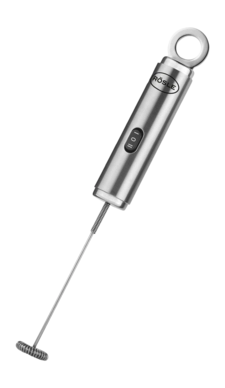
Rösle is a German kitchenware manufacturer headquartered in Marktoberdorf, Germany, known for stainless steel culinary tools, and its Dual Speed Milk Frother brings that manufacturing background to a compact, non-electric handheld design. Unlike automatic countertop units, the Rösle frother requires pre-heated milk if a hot foam is wanted, since it has no internal heating element. It features two selectable speeds, a faster setting for aerating milk into foam and a slower setting that doubles as an emulsifier for vinaigrettes and dressings. Independent testing found it capable of tripling or quadrupling the volume of whole milk in under two minutes, with almond milk producing a thinner but longer-lasting foam. Its compact, drawer-friendly size is a genuine advantage over bulkier automatic frothers, though its price sits close to some full countertop models despite lacking a heating function.
-
Two-speed motor: high speed for frothing, low speed for emulsifying
-
Whole milk foam volume increased three to four times in under two minutes in testing
-
No internal heating element; milk must be pre-heated separately for hot foam
-
Compact handheld design suited to drawer storage
-
Stainless steel construction consistent with Rösle's broader cookware range
-
Also functions as a tool for emulsifying vinaigrettes and dressings
-
Battery-powered operation with no countertop base required
23. Bonsenkitchen

Bonsenkitchen has built a following in the US market primarily through its handheld electric milk frother, a battery-powered wand-style tool that has been recognized in independent testing for its texturing performance relative to its accessible price. Unlike jug-style automatic frothers, it relies on a small whisk head to aerate milk directly in a mug or pitcher, giving users manual control over frothing time and technique. It performs across both hot and cold milk and works with dairy and most plant-based alternatives, though results depend more on user technique than with a fully automatic unit. Its compact size and low cost have made it a frequently recommended budget pick in comparative testing against pricier countertop machines, particularly for buyers who want a simple, portable tool rather than a full appliance.
-
Handheld, battery-powered wand-style frother
-
Compatible with dairy and plant-based milk, hot or cold
-
Compact design suited to drawer or travel storage
-
Rated favorably against pricier automatic frothers in independent side-by-side testing
-
Simple single-button operation with no programmed settings
-
Whisk head designed for direct use in mugs, pitchers, or glasses
-
Positioned as a budget-friendly alternative to countertop electric frothers
24. Ninja

Ninja, a brand of SharkNinja headquartered in Needham, Massachusetts, has expanded from blenders and air fryers into coffee and espresso accessories, including milk frothing attachments and standalone frothing functions built into some of its espresso machines. Rather than a single dedicated frother product, Ninja's frothing capability is often integrated into multi-function coffee systems, allowing users to froth milk as part of a broader espresso or specialty drink routine. This integrated approach appeals to buyers who want fewer separate appliances taking up counter space, though it means frothing performance is tied to the capabilities of the specific machine rather than a dedicated tool. SharkNinja's scale as a company gives its coffee and frothing accessories broad distribution across major US retailers, and its engineering background in motorized kitchen appliances carries over into consistent aeration performance.
-
Frothing functionality often integrated into multi-function espresso and coffee systems
-
Backed by SharkNinja, a large-scale US home appliance manufacturer
-
Broad distribution across major US retail chains
-
Designed to reduce the need for a separate standalone frothing appliance
-
Engineering shared with the brand's wider motorized kitchen appliance lineup
-
Positioned toward buyers who want frothing as part of an all-in-one coffee system
25. GreenLife

GreenLife is best known in the US for ceramic non-stick cookware, and its entry into the milk frother category brings that same non-toxic coating philosophy to an electric countertop appliance. The frother heats and aerates milk automatically, targeting buyers who already trust the brand's cookware and want a matching appliance free of PTFE and PFOA coatings. In independent comparative testing, its frothing performance and control intuitiveness were rated below several dedicated coffee-appliance competitors, with reviewers citing average results rather than standout foam quality. It remains a relevant option for cost-conscious buyers who prioritize a ceramic non-stick interior and brand familiarity over the more refined microfoam texture produced by dedicated frothing specialists. Its simple control layout keeps day-to-day operation approachable for first-time frother buyers.
-
Ceramic non-stick interior coating, free of PTFE and PFOA
-
Electric automatic heating and frothing function
-
Simple control layout aimed at first-time frother buyers
-
Positioned at a more accessible price tier than premium dedicated frother brands
-
Rated below several competitors for frothing consistency in independent testing
-
Backed by GreenLife's broader ceramic cookware product range
26. Secura Automatic Milk Frother
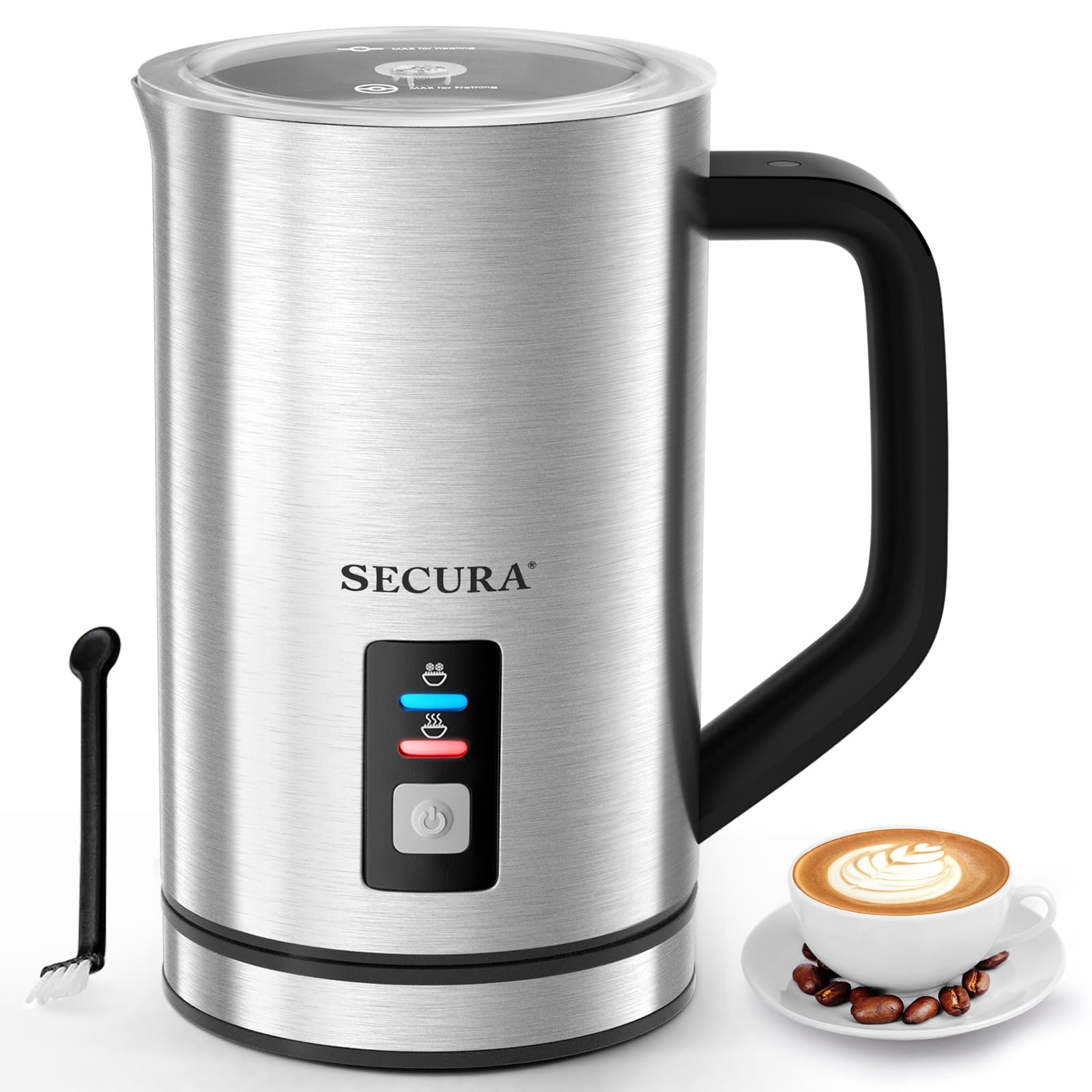
Secura Inc., based in Lake Forest, California, sells compact heated jugs aimed at American households that want hot foam, airy foam, warmed milk, and cold foam from one button sequence. The MMF-809 family uses a Strix thermostat and a single whisk layout rather than a drawer of discs. Dense and fluffy hot programs share a frothing fill line near 115 ml, while heat-only service rises to about 240 ml. Target finish temperature sits near 65°C. Cycles typically land between 80 and 140 seconds before the unit beeps and returns to standby. Secura presents itself as a U.S. household brand with ETL-minded safety language, overheat cutoffs, and a cool-down pause between back-to-back runs. The category is crowded with similar 4-in-1 jugs, so the differentiator is documentation and spare whisks rather than a unique texturing method. Plant milks still depend on protein level and freshness, which the manuals state plainly.
-
Key features: four button programs (dense hot foam, fluffy hot foam, heat only, cold foam); Strix temperature control; auto shutoff with audible end signal; nonstick interior jug; extra whisk and cleaning brush in many kits.
-
Accurate data: rated 120V, 60Hz, 400W; froth max about 115 ml / 3.9 oz; heat max about 240 ml / 8.1 oz; finish temperature listed at 65°C ± 5°C (about 150°F ± 10°F); cool 2 to 3 minutes before a second cycle.
27. Miroco Electric Milk Frother
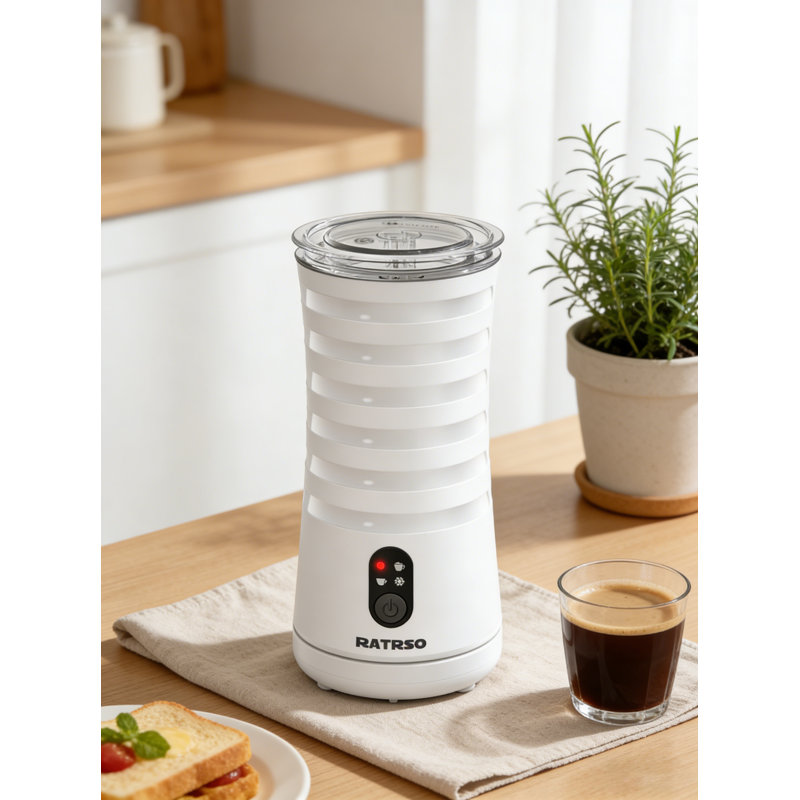
Miroco designs small appliances in New Jersey and sells 4-in-1 stainless jugs that mirror the U.S. mass-market brief: hot dense foam, hot fluffy foam, heat only, and cold foam. The MI-MF002 class unit is a 400W, 120V pitcher with magnetic whisks, a transparent lid, and a nonstick chamber. Frothing fill sits near 115 ml and heating fill near 240 ml on the standard model, with a premium sibling stretching heat capacity toward 300 ml. Hot programs aim for roughly 60 to 68°C. Working time is capped around 310 seconds. Noise is marketed as a low hum suitable for early kitchens. Miroco also lists basic and digital-display versions so shoppers can choose a simple lamp interface or a more visible panel. Like most heated jugs, limescale and leftover film affect later cycles if the chamber is not rinsed while warm. The brand’s frothers sit in the mid-catalog beside kettles rather than in a specialty coffee ecosystem.
-
Key features: four drink modes; two interchangeable whisks (foam and stir); Strix-style cutoff; ETL safety language on several listings; double-wall or stainless exteriors depending on SKU; included cleaning brush.
-
Accurate data: standard model 400W, 120V 60Hz; froth about 115 ml / 3.9 oz; heat about 240 ml / 8.1 oz; premium heat about 300 ml; hot target about 65°C / 149°F; max cycle window 310 seconds; body height roughly 17 to 20 cm.
28. Elementi Handheld Milk Frother

Elementi is a color-forward housewares label sold widely on U.S. marketplaces, and its pastel wand is built for drawers, dorms, and matcha counters rather than a permanent base. The EZ-MMYE style frother is a battery wand with a stainless coil, an ergonomic handle, and a matching stand. It does not heat milk. Users warm liquid separately, then run the whisk for about 15 to 20 seconds. Two AA cells power the motor. Listings describe variable froth feel and quiet running relative to cheap open-coil sticks, though texture still tracks wrist angle and vessel height. Review volume is large for a lifestyle wand, which is how the product stays visible without sitting in every “best overall” lab test. Cleaning is a rinse of the steel head only. The handle must stay dry. Elementi treats frothing as part of a drink-ware look, which is why the same silhouette appears in pink and other finishes instead of only brushed black.
-
Key features: cordless handheld coil whisk; stand included on common kits; single-button handle; stainless mixing head; marketed for coffee, matcha, and mixed drinks; battery operation with no heating plate.
-
Accurate data: typical size about 2 in wide by 11 in tall; two AA batteries required and not included; foam window often quoted at 15 to 20 seconds; customer review counts on major listings sit in the tens of thousands; marketplace rank frequently appears inside the broader milk-frother subcategory.
29. PowerLix Milk Frother PRO
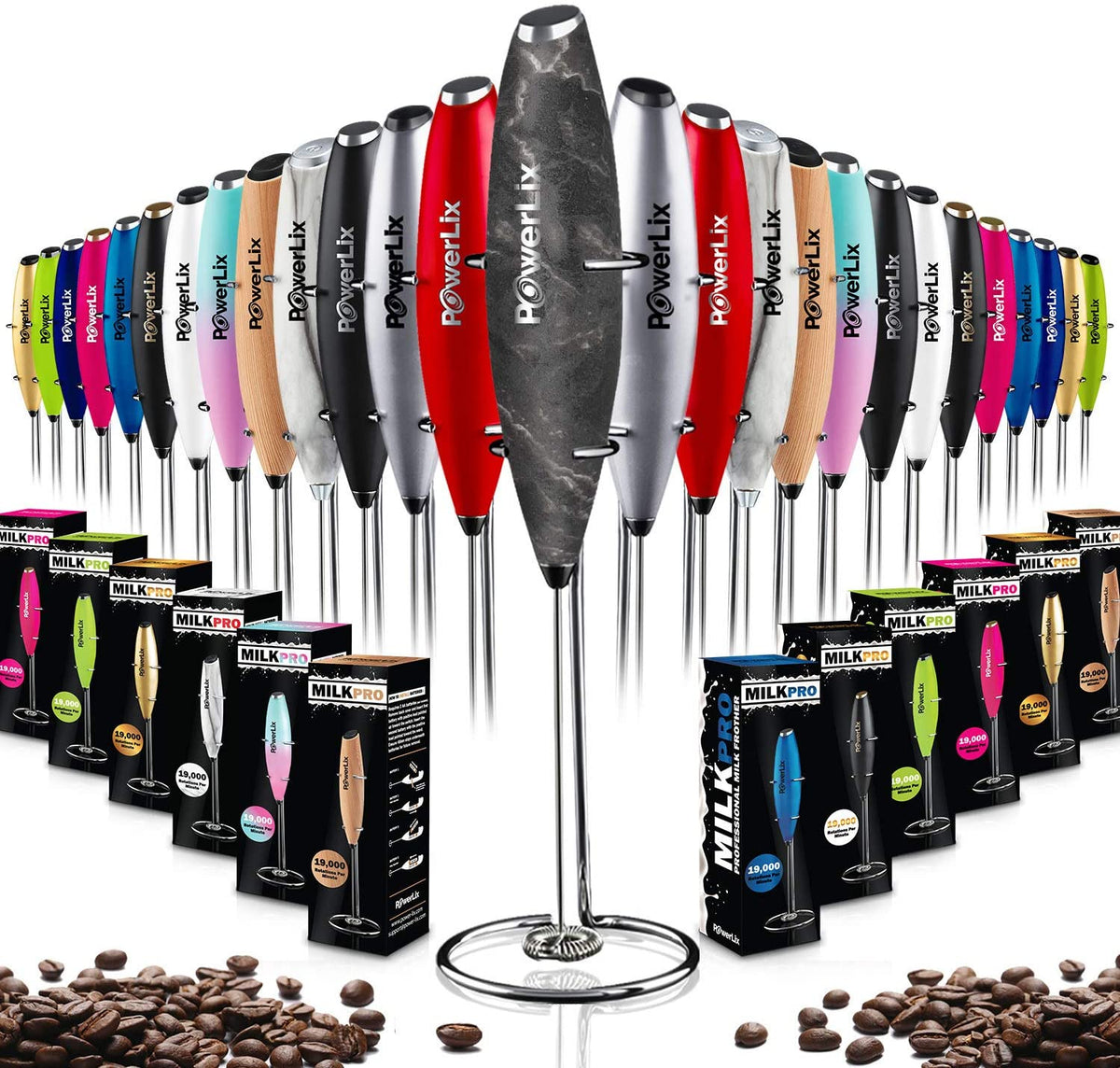
PowerLix grew as a kitchen-accessories label selling high-speed battery wands to U.S. online shoppers who want foam without a second appliance on the counter. The Milk Frother PRO uses a dual-spring 18/10 stainless coil and a motor commonly quoted at 19,000 rpm unloaded. Two AA batteries drive the classic model. A later Pro 3-in-1 version adds USB-C charging, swappable heads, and a listed 10,000 rpm working speed with a 1200 mAh cell. Neither version heats milk. Foam is produced in roughly 15 to 20 seconds when the head sits just under the surface of a tall glass filled no more than a third. America’s Test Kitchen compared a PowerLix wand with other handhelds and treated motor speed as the main hardware gap between lookalike sticks. The tool also shows up in mixing notes for shakes and thin batters. Care is hand wash on the steel only, with the handle kept out of the sink.
-
Key features: dual-spring stainless whisk; top-mounted power button; included stand on many colors; cordless battery or USB-C variants; single-button start; travel-friendly length.
-
Accurate data: classic motor rating 19,000 rpm; package size about 9.8 x 2.8 x 2.8 in; weight about 5.3 to 6.4 oz depending on SKU; Pro rechargeable cell 1200 mAh with a listed 2-hour charge and auto-stop near 120 seconds; recommended fill about one-third of a tall glass.
30. Maestri House LunaFro 2.0

Maestri House sells both heated jugs and a growing handheld line into the U.S. market through its own store and major retailers, with U.S. phone support listed on product manuals. LunaFro 2.0 is the stepless-speed wand: a dial from 4,500 to 10,000 rpm, a 1200 mAh USB-C battery, two detachable whisks, and a stand. Charge time is about two hours for a claimed two months of once-daily use. Foam time is listed at 10 to 15 seconds. Recommended working volume is up to 150 ml. The wider Maestri House catalog still includes larger electric pitchers with memory for last temperature and thickness, plus stepped heat points at 120°F, 140°F, and 160°F on jug models. LunaFro itself does not heat. IP ratings and aluminum bodies appear on sibling models such as LunaFro Max and LunaFro Art, which add rim pads for pitcher work. The brand’s angle is control through speed, not through a sealed automatic program.
-
Key features: stepless 4,500 to 10,000 rpm dial; USB-C rechargeable handle; two stainless whisks; storage stand; one-button start on simpler LunaFro SKUs; jug siblings with temperature memory.
-
Accurate data: model MHMF07; battery 1200 mAh; charge about 2 hours; weight 300 g; recommended capacity up to 150 ml; jug line heat points 48°C, 60°C, and 71°C; U.S. support line listed as 877-968-4009.
31. Golde Superwhisk 2.0
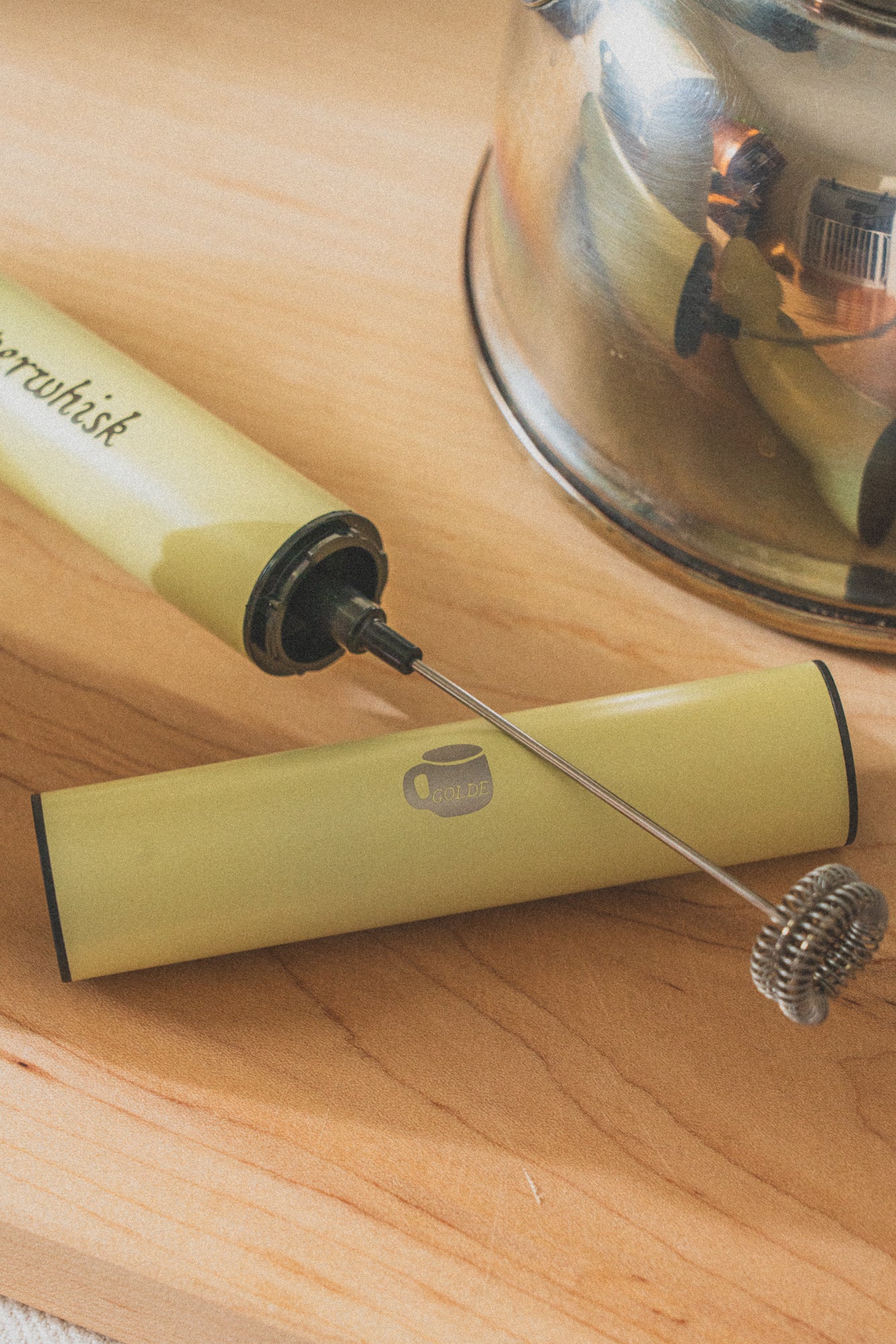
Golde is a U.S. wellness drinks brand that built Superwhisk as a companion to matcha and latte powders, then watched testers treat it as a standalone handheld frother. Superwhisk 2.0 is a USB-C rechargeable wand with two speeds listed at 11,000 and 13,000 rpm, a food-grade stainless head, a protective cap, and a french vanilla finish. Length is 10 inches, diameter 1.25 inches, weight 6.2 ounces. It does not heat milk. Wirecutter, Serious Eats, and other U.S. desks have used it as a benchmark for powerful handheld aeration because cold or warm milk can roughly double in volume within the first 15 to 30 seconds if the vessel is no more than 40 percent full. Daily cleaning is a soapy spin followed by a downward rinse so water does not enter the battery chamber. The product sits in a lifestyle catalog rather than a coffee-machine lineup, which is why it appears beside powders as often as beside espresso tools.
-
Key features: dual-speed rechargeable wand; USB-C cable included; locking cap for travel; stainless whisk head that pulls off for drying; one-touch speed stepping; no heating element.
-
Accurate data: speed ratings 11,000 rpm and 13,000 rpm; length 10 in; diameter 1.25 in; weight 6.2 oz; brand guidance to fill vessels to 40 percent or less; whisking window often 30 to 60 seconds for a doubled foam layer.
32. MatchaBar Electric Matcha Whisk
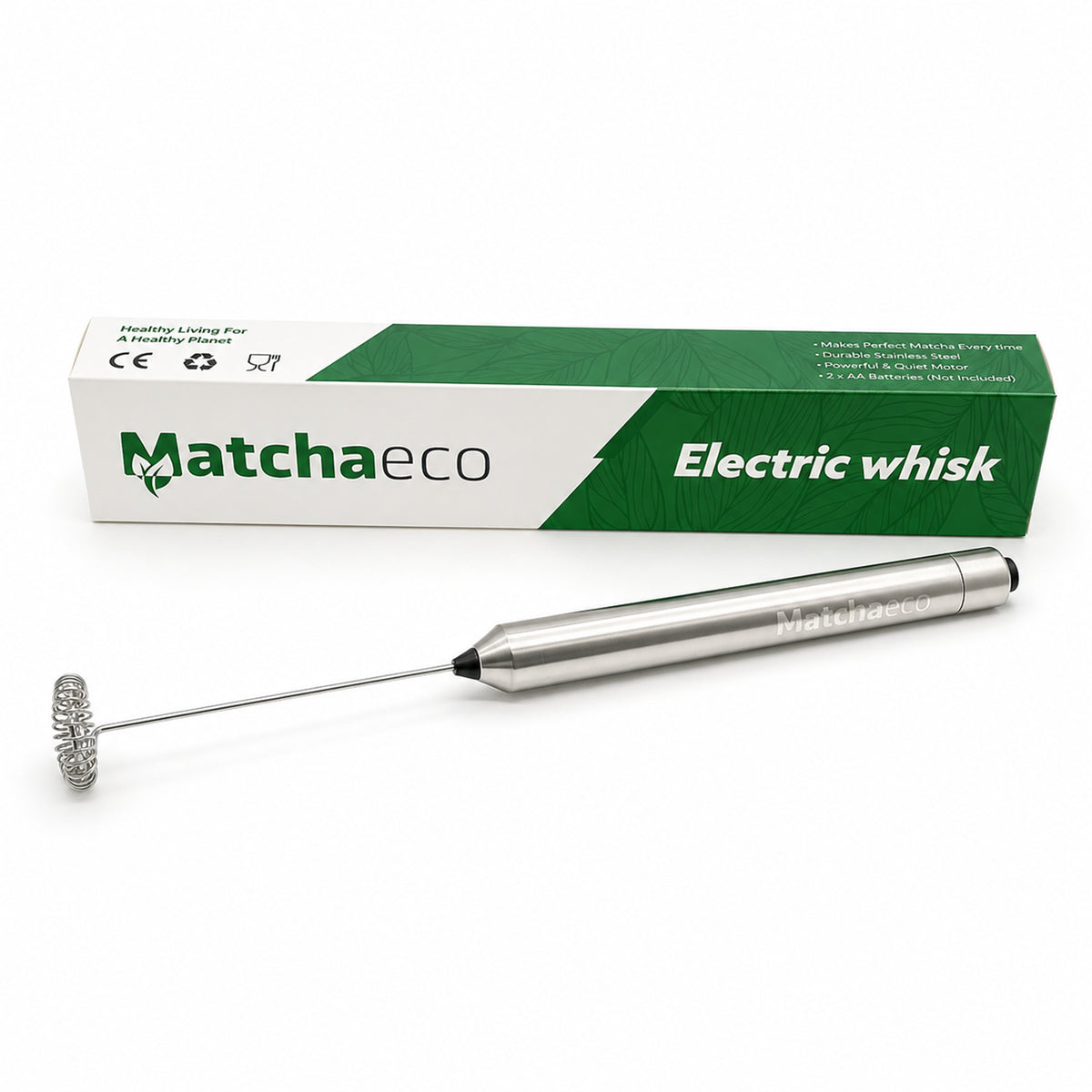
MatchaBar, the New York matcha company, sells an electric whisk that U.S. testers often pair with the Golde Superwhisk because the two tools share the same powerful handheld brief. It is a rechargeable stick for matcha, milk drinks, and cold foam, not a heated jug. Wirecutter’s 2026 frother testing treated it as the strongest handheld in its group for thickening dairy and nondairy milk in about 15 seconds, while noting that it does not raise temperature on its own. The whisk is aimed at café-style matcha lattes as much as cappuccino foam, which matches the brand’s shop roots in New York City. Care follows the usual wand rules: spin in rinse water, keep the handle dry, store with the head protected. In a market full of disposable AA coils, MatchaBar’s tool is built as a branded ritual object for people who already buy ceremonial or barista matcha and want consistent suspension rather than a second countertop base.
-
Key features: rechargeable electric whisk; handheld aeration for hot or cold milk; branded for matcha service as well as coffee drinks; no internal heater; rinse-clean mixing head.
-
Accurate data: independent tests report volume roughly doubling in the first 15 seconds on both dairy and plant milks; positioned by Wirecutter as a top handheld pick in its 2026 frother lineup; sold as a New York matcha-brand accessory rather than a generic coil stick.
Limescale and Hard Water: Protecting Your Milk Frother in the UK
Hard water affects more than half of UK homes, particularly across London, the South East, East Anglia, and the Midlands. Limescale buildup inside electric milk frothers is one of the most common causes of reduced performance and early failure, and most UK buyers don't realise it until their frother starts underheating or producing thin, inconsistent foam. For guidance on keeping your equipment in top condition, Subminimal's milk frother maintenance guide covers the essentials.
Why limescale matters for frothing performance. Calcium and magnesium deposits from hard water coat heating elements over time, reducing their efficiency and causing uneven milk heating. An electric frother that once hit 60°C reliably may start delivering patchy temperatures once limescale builds up on the base. This directly affects foam quality, unevenly heated milk produces inconsistent bubbles and weaker foam structure. Pairing your frother with a contactless thermometer lets you spot temperature drift early, before it becomes a bigger problem.
How to descale your electric frother. Run a solution of one part white vinegar to two parts water through a standard heating cycle, then rinse thoroughly with two or three clean water cycles before using with milk again. Most manufacturers recommend descaling every four to six weeks in hard water areas, or monthly if you use your frother daily. Never use commercial descaling tablets designed for kettles inside frothers, the chemical concentration is too high for the smaller heating elements and can leave residue that affects milk flavour.
Practical tips for hard water areas:
-
Use filtered water to rinse the jug after each use, tap water droplets left inside contribute to mineral buildup faster than the frothing cycle itself
-
Consider a water filter jug like a Brita for filling your frother if you live in a very hard water area (above 300mg/L)
-
Check the heating element base for white or grey deposits weekly, early limescale comes off easily with vinegar but becomes stubborn if left for months
-
Handheld frothers are far less affected by hard water since they don't heat milk internally, this is one practical advantage they hold over electric models in hard water regions
-
Manual plunger frothers have no heating components and are completely unaffected by water hardness
Cold Foam for Iced Coffee Drinks in the UK
Cold brew and iced coffee have moved well beyond a summer trend in the UK, independent coffee shops across London, Manchester, Edinburgh, and Bristol now serve cold foam drinks year-round, and home baristas increasingly want to recreate the same thick, spoonable layer at home. Cold foam differs from standard hot frothed milk in one fundamental way: it uses refrigerator-cold milk aerated without any heat, creating a dense layer that floats on top of cold drinks rather than blending into them. For a full breakdown of the best options, see Subminimal's guide to the best cold milk frother.
Not every frother on this list produces true cold foam. You need either a dedicated cold foam setting, available on the Nespresso Aeroccino 4, Zwilling Enfinigy, and De'Longhi Lattecrema, or a powerful handheld electric milk frother capable of aerating cold milk for 30–45 seconds without the motor overheating. Standard electric frothers with heating-only cycles will warm and blend the milk rather than create a stable cold layer.
Milk choice makes a bigger difference with cold foam than hot. Whole dairy milk produces the densest, most stable cold foam layer, while semi-skimmed creates a lighter, airier texture. Among plant-based options, oat milk barista blends, widely available in UK supermarkets from brands like Oatly Barista and Minor Figures, froth cold reasonably well, though the layer dissipates faster than dairy. Avoid standard almond milk for cold foam; its low protein content produces thin bubbles that collapse within minutes.
Tips for cold foam at home in the UK:
-
Use milk straight from the fridge, ideally below 5°C for maximum foam stability
-
Pour finished cold foam into a milk frothing jug before spooning onto cold drinks for a cleaner, more controlled pour
-
Add a splash of vanilla extract or a small amount of flavoured syrup to the milk before frothing for café-style flavoured cold foam
-
Cold foam works especially well over cold brew concentrate diluted with water, iced filter coffee, and iced matcha lattes
-
Consume within 15 minutes, cold foam loses structure faster than hot frothed milk, particularly with plant-based alternatives
How to Choose the Right Milk Frother for Your UK Kitchen
Consider your daily coffee routine and kitchen constraints when selecting a frother. Electric automatic models suit users who want hands-off operation and make multiple drinks daily. Handheld battery-powered frothers work brilliantly for single servings and small UK flats with limited counter space. Manual frothers appeal to those who enjoy the hands-on process and don't mind physical effort.
Think about your preferred drinks, latte art requires microfoam capability, whilst cappuccinos need thicker, creamier foam. If you regularly use plant-based milks, prioritise frothers with adjustable settings or proven oat milk performance. Temperature monitoring becomes particularly valuable when working with dairy alternatives, as they have narrower optimal frothing ranges.
Budget plays a role, but remember that consistency matters more than price. A reliable handheld frother paired with accurate temperature monitoring often outperforms an expensive automatic model used incorrectly.
Understanding Milk Frothing Temperature
Temperature directly impacts foam quality, texture, and taste. Between 55-65°C, milk fats remain liquid, and proteins stabilize foam optimally. At 60°C, tastebuds perceive sweetness most effectively, making this the target temperature for barista-quality drinks.
Above 70°C, milk loses perceived sweetness, and mouthfeel deteriorates. By 80°C, proteins denature and combine with lactose, creating an unpleasant cooked flavour that ruins latte art potential. This narrow optimal range explains why temperature monitoring tools have become standard equipment for serious UK home baristas.
Plant-based milks behave differently; oat milk performs best between 55-60°C, whilst almond milk tolerates slightly higher temperatures. Instant readings prevent overshooting these targets and help you adjust your technique for different milk types.
Best Practices for Frothing Plant-Based Milks
Choose barista-blend versions of oat milk, almond milk, and soy milk, as these contain added fats and proteins for better foam stability. Start with cold milk straight from the fridge, as gradual heating produces a superior texture compared to pre-warmed milk.
Monitor temperature closely; plant-based milks have narrower optimal ranges than dairy. Oat milk creates the best microfoam between 55-60°C, making precise temperature control valuable. Almond milk tolerates 60-65°C but produces thinner foam than oat or soy.
Clean your frother immediately after use, as plant-based residue can affect future frothing performance. Some proteins in dairy alternatives stick more stubbornly than dairy, particularly in electric frothers with heating elements.
Achieving Professional Microfoam at Home
Microfoam consists of tiny, uniform bubbles that integrate seamlessly into espresso for latte art. Start with fresh, cold milk; older milk loses the protein structure needed for stable foam. Fill your frother to the minimum line only, as milk expands during frothing.
Temperature matters enormously for microfoam quality. Stop frothing between 60-65°C to preserve sweetness and maintain the silky texture that makes latte art possible. Higher temperatures create larger bubbles and a rough texture that won't pour properly.
For electric frothers, use the microfoam or cappuccino setting if available. Handheld frothers require keeping the whisk just below the milk surface to incorporate air gradually. Monitor temperatures with contactless tools to develop consistency across different milk types and frothing methods.
Milk Frother Buying Guide by Budget in the UK
Price ranges tell you a lot about what a milk frother can actually do, and UK buyers usually fall into one of three spending brackets when shopping for one.
Budget milk frothers under £30 are almost always simple handheld whisks. They run on batteries, spin a small wire whisk, and get milk foamy in under a minute. They will not heat milk and the foam is looser than what an electric model produces, but they work fine for someone who just wants bubbles on top of a coffee now and then.
Mid-range milk frothers, roughly £30 to £100, bring in automatic heating and multiple foam settings. Most jug-style electric frothers sit here, and this is where plant milk performance starts to matter more, since better motors handle oat and almond milk without the foam collapsing.
Premium milk frothers above £100 are built for people who care about microfoam and latte art specifically. The NanoFoamer PRO sits in this bracket, using a magnetic drive system that spins at up to 8,000 RPM to break milk down into the tiny, uniform bubbles needed for pouring designs rather than just a foamy cap. Handheld milk frother options like the original NanoFoamer offer a cheaper way into that same microfoam territory for anyone who doesn't need automatic heating.
Spending more doesn't automatically mean better coffee. A £25 handheld whisk paired with good technique can outperform a £150 machine used carelessly. What premium models buy you is consistency, the same result every single time without having to think about it.
Milk Frother vs Espresso Machine Steam Wand
Anyone shopping for a milk frother eventually asks whether they even need one if their espresso machine already has a steam wand attached.
A steam wand injects pressurised steam directly into milk, which is how commercial cafes get that classic textured foam. It takes practice, though. Holding the pitcher at the right angle, controlling the whistle of air, and stopping at the right temperature all take real repetition to get right, and a lot of home baristas end up with scalded or overly bubbly milk while learning.
A standalone frother removes that learning curve. Devices built around magnetic drive impellers, like the NanoFoamer PRO, automate the whole process so the froth finishes at the same time as the espresso shot, with no manual pitcher work required. This matters most for people using pod machines, Aeropresses, or Moka pots, none of which come with a steam wand at all.
Steam wands still have an edge in one area: volume. They can froth large batches quickly for a houseful of guests, something most compact frothers aren't designed for. But for someone making one or two coffees at home each morning, a dedicated frother paired with something like the FlowTip Milk Jug for pouring tends to be the simpler, more consistent choice, and it works whether or not there's an espresso machine in the kitchen at all.
How We Tested Milk Frothers for This 2026 UK Guide
Home milk frothers get judged against the same thing a café steam wand is judged against: does the milk pour as one glossy liquid, or does a dry cap sit on the coffee? That is the first filter used in this guide. A handheld electric milk frother and a jug-style automatic both have to answer it.
Each unit was run on whole dairy, then on barista-style oat milk, then on a thinner supermarket oat or almond drink. The milk started fridge-cold. The finished jug was checked for three things: bubble size you can see with the eye, whether the foam folds into espresso or floats as a layer, and whether the drink still tastes sweet rather than cooked.
Texture was scored before looks. A tall, stiff cap can look generous in a photo and still fail a flat white. Microfoam should look like wet paint. Macrofoam looks like soap bubbles. Those two are not the same drink.
Noise, jug shape, and clean-down were logged after the pour. A tool that leaves cooked film on a heating plate changes flavour on the next cycle. A wand that spatters outside a narrow pitcher is harder to live with in a small UK kitchen. Spare heads and screens from the spare parts range were treated as part of the test, because a frother you cannot keep clean does not stay consistent.
Pour tests used a FlowTip milk jug so the foam had a fair chance to show whether it would hold a simple heart. Shot evenness on the espresso side was checked with an UpShot espresso mirror when a bottomless portafilter was in use. Dose weight on the coffee side sat on a Subscale, because a wild shot makes good milk look worse than it is.
The method is simple on purpose:
-
Same starting milk temperature
-
Same vessel style where the tool allows it
-
Same visual check against a steam-wand control jug
-
Same pour into a small flat white, not only a tall cappuccino
A how to use a milk frother walkthrough sits behind the scoring so technique is not mixed up with hardware. Handheld units such as the NanoFoamer and the compact NanoFoamer GO were judged on vortex control in a small pitcher. Automatic frother units in the products for milk collection were judged on whether heat and shear finished together, so the milk was ready when the espresso was ready.
Plant drinks were not treated as a pass/fail gimmick. They were treated as a separate class. Barista oat often holds. Thin almond often does not. That gap is why a dedicated oat section belongs in a UK guide.
Microfoam vs Macrofoam: What UK Home Frothers Actually Make
Macrofoam is the dry, visible froth most people picture when they hear “frother.” Large bubbles rise, stack, and sit on the drink. A spoon can lift them. That texture suits a classic cappuccino cap. It does not pour latte art.
Microfoam is different. The bubbles are so small they stop looking like bubbles. The milk turns glossy and slightly thick, closer to paint than to suds. When it hits espresso it blends instead of floating. That is the texture used for hearts, tulips, and rosettas.
The split is physics, not branding. A loose wire whisk beats air in fast and leaves big pockets. A tight impeller or NanoScreen shears those pockets down while the milk spins in a vortex. High shear plus a stable swirl is what turns foam into microfoam.
You can spot the difference in the jug:
-
Macrofoam: a white layer on top, liquid milk underneath, a visible join between the two
-
Microfoam: one colour from top to bottom, a shine on the surface, no big bubbles at the rim
-
Over-aerated milk: stiff peaks, a dry skin, a pour that blobs instead of flowing
Drink style decides which texture you want. A cappuccino can take a thicker cap. A flat white wants a thin, integrated layer. Iced drinks often want cold foam that sits in a spoonable band. A hot and cold milk frother setup is what produces that cold band without warming the milk.
Latte art is a pour test, not a volume test. The best milk frother for latte art is the one that leaves the milk pourable. A latte art masterclass covers the wrist and pitcher angle once the texture is already right. The FlowTip milk jug is built for that pour because a sharp spout keeps the stream thin.
Handheld tools give you the air-to-spin balance in your hand. The NanoFoamer family uses screen geometry instead of a coil whisk, which is why the foam stays wet rather than airy. Automatic units in the electric milk frother range add heat at the same time as shear, so the proteins set while the bubbles shrink.
Plant milks follow the same rule, only with less room for error. Oat barista blends have extra fat and protein, so they can hold a fine texture. Standard almond often makes large, short-lived bubbles. Matcha and coffee both need that fine texture if you want the drink mixed, not striped. A milk frother for matcha is doing the same job as a coffee frother: small bubbles, even mix, no dry cap. If the surface looks dull or the pour breaks into blobs, the milk is still macrofoam. If it shines and moves as one sheet, you have microfoam.
Latest News In 2026
Milk tools in 2026 are grouping into small, matched kits rather than one lonely gadget on the counter. A texturing tool now sits next to a dosing cup, a distribution tool, and a pouring jug, which is how the products for coffee lineup are built. The idea is simple. The shot and the milk should finish in the same window.
Handheld designs keep getting smaller without giving up screen-style heads. A portable milk frother is no longer only a travel whisk. USB-C models sit in the same drawer as a rechargeable milk frother and still aim at pourable foam, not just a bubbly cap.
Automatic jugs are quieter about heat. The talk this year is even warming and splash-safe housings, so the jug can go under the tap after a morning rush. That matters in hard-water UK kitchens, where mineral film on a heater plate is what ruins the next drink.
Plant-milk programmes are no longer an extra badge. New units are being checked on barista oat as a default, not as a footnote. Flow-controller style heads, the kind used on the NanoFoamer PRO, treat dairy and alternatives as different liquids that need different shear.
Espresso prep is tighter too. A Flick WDT tool levels the puck before the shot, and a coffee scale in the UK keeps the dose honest. Milk texture looks better when the espresso underneath is even.
Teaching is bundled with hardware more often. Short pour lessons, like the Latte Art Masterclass, travel with the jug and the frother so the texture has somewhere to go. Replacement screens and heads stay on the spare parts page, which is how a daily tool stays in spec instead of fading after a few months.
FAQ
How do I descale my milk frother if I live in a hard water area of the UK?
Run a descaling solution of one part white vinegar to two parts water through a full heating cycle, then follow with two clean water rinse cycles before using milk again. In hard water regions, covering most of London, the South East, and the East Midlands, aim to descale every four to six weeks with daily use. Signs that limescale is building up include slower heating times, inconsistent temperatures, and thinner foam than usual. A contactless thermometer helps detect temperature inconsistency early. Never use kettle descaling tablets in milk frothers, as the chemical concentration is too high for smaller heating elements and can leave taste-affecting residue.
Can I use a milk frother to make hot chocolate at home?
Yes, and electric automatic frothers handle hot chocolate particularly well. Add cold milk and cocoa powder or drinking chocolate to the jug, select a heating rather than frothing setting if available, and the frother warms and mixes the drink into a smooth, creamy result. Models like the Hotel Chocolat Velvetiser are specifically designed around this use case. For standard milk frothers, use the stir or latte setting rather than the cappuccino disc, which creates too much foam. Handheld frothers work for blending chocolate powders into warm milk, though you'll need to heat the milk separately first. Subminimal's guide on 8 easy ways to create perfect foamed milk at home covers how to get the best results for different drink types.
What's the difference between milk foam and microfoam?
Milk foam consists of larger, airier bubbles that sit visibly on top of your drink; this is the thick, cloud-like cap on a cappuccino. Microfoam is made up of microscopic bubbles that create a silky, paint-like texture that integrates seamlessly into espresso. Microfoam is what makes latte art possible, the fine bubbles pour and move with the espresso rather than floating on top of it. Most basic electric frothers and handheld models produce standard foam rather than true microfoam. For microfoam at home, you need either a steam wand, a premium electric frother with a dedicated microfoam mode, or the NanoFoamer PRO, which uses an 8,000 RPM magnetic impeller system to produce superfine microfoam without a steam wand.
Is it worth buying a separate milk frother if I already have a pod coffee machine?
For most UK pod machine owners, a separate milk frother produces noticeably better foam than the basic milk attachments bundled with entry-level machines. Built-in frothers on affordable pod machines tend to create large, airy bubbles rather than the tight microfoam needed for latte art or silky flat whites. A standalone electric frother or the NanoFoamer PRO gives you independent control over milk texture and temperature, which matters when you want consistent results across different drink styles. The NanoFoamer PRO is compatible with any espresso preparation method, pod machine included, and synchronises its cycle to finish exactly when your shot is ready, so both milk and espresso are at their best simultaneously.
What temperature should milk be for frothing in Celsius?
Milk should be frothed between 55-65°C for optimal foam quality and sweetness perception. At 60°C, tastebuds detect sweetness most effectively whilst proteins stabilize foam structure perfectly. Above 70°C, milk loses sweetness and develops a cooked flavour that ruins texture. This range applies to dairy milk; plant-based alternatives like oat milk perform best at the lower end (55-60°C).
What type of milk frother is best for latte art?
Handheld frothers and electric models with microfoam settings work best for latte art, as they create the tiny, uniform bubbles needed for pouring patterns. The foam must integrate smoothly into espresso rather than sitting on top as a thick cap. Temperature control proves just as vital, stopping at 60-65°C preserves the silky texture that makes latte art possible. Pair any frother with temperature monitoring for consistent results.
Do milk frothers work with oat milk and almond milk?
Yes, most modern milk frothers work with oat milk and almond milk, though results vary by brand and model. Choose barista-blend versions that contain added fats and proteins for better foam stability. Oat milk creates the best microfoam among plant-based options, performing brilliantly between 55-60°C. Almond milk produces thinner foam but still works for cappuccinos and lattes. Electric frothers with adjustable settings handle plant-based milks more consistently than basic handheld models.
Which milk frothers are best for small UK kitchens?
Handheld battery-powered frothers suit small UK kitchens best, as they require minimal storage space and no counter footprint. Models like the Dualit handheld, Zulay Tornado, and Aerolatte deliver effective frothing in compact designs. If you prefer automatic operation, look for single-serving electric frothers under 15cm tall that fit in cupboards between uses. Compact models from Lavazza, Bodum, and Melitta balance small size with decent capacity for one or two drinks.
Can I froth milk without buying a dedicated frother?
A whisk, a French press plunger, or even a screw-top jar can create basic foam through fast agitation, since what actually builds foam is trapping air bubbles inside the milk's protein structure. The results tend to be uneven, though, with larger bubbles that collapse faster than the fine, stable foam a purpose-built frother produces. Manual methods also cannot warm the milk at the same time, so anyone wanting a hot drink still needs a stovetop or microwave step separately. For someone frothing milk only occasionally, this trade-off between convenience and texture quality is usually fine, but it becomes frustrating for daily cappuccinos or lattes where consistency matters more.
How long does a milk frother typically last?
Lifespan comes down mostly to how the internal components are treated rather than the price paid upfront. Electric models with heating elements are the most vulnerable to mineral buildup, since limescale coats the metal surface and forces the unit to work harder to reach the same temperature over time. Handheld battery-powered whisks tend to outlast electric jugs because they have no heating element to degrade, only a small motor and battery that eventually wear down. Devices with magnetic drive systems, like the NanoFoamer and NanoFoamer PRO, avoid some of this wear since the impeller has no direct mechanical connection to the motor, reducing friction-related breakdown over years of daily use.
Do milk frothers need special milk pods or capsules?
Milk frothers work directly with liquid milk poured from a carton or bottle, so there's no pod, capsule, or proprietary cartridge system involved at any point. This sets them apart from some automatic espresso machines that use milk pods to simplify cleanup, since a frother instead relies on a removable jug or milk whisk head that gets rinsed after each use. The upside is flexibility, since any dairy or plant-based milk in the fridge can go straight into the device without buying a matching consumable.
Can a milk frother fully replace a steam wand?
For the vast majority of home coffee routines, yes, a frother covers everything a steam wand does without the learning curve. Steam wands rely on the user controlling pitcher angle, steam pressure, and timing all at once, and small mistakes tend to overheat the milk or introduce large, uneven bubbles. A frother automates that same physics, using a spinning whisk or impeller to fold air into the milk while a heating element brings it to temperature on its own. The one scenario where a steam wand keeps an advantage is frothing large volumes for several drinks back to back, since most frothers are built around single-serving or small-batch capacities rather than continuous output.
Are milk frothers loud when running?
Noise output depends heavily on the mechanism inside the device. Motor-driven frothers, whether handheld whisks or magnetic-drive units like the NanoFoamer PRO, produce a steady hum while running, generally quieter than a blender or espresso grinder since the motor is smaller and enclosed. Manual pump frothers make almost no noise at all beyond the sound of the plunger moving through the milk. Anyone in a shared flat or making coffee early in the morning without waking others usually finds handheld and manual options the quietest path, while automatic electric jugs sit a bit louder due to the combined heating and whisking cycle running simultaneously.
Is it safe to leave an electric milk frother plugged in overnight?
Most manufacturers recommend unplugging small kitchen appliances after use rather than leaving them connected to power continuously, partly as a safety precaution and partly to reduce unnecessary strain on internal electronics. Electric frothers with heating elements draw very little standby power when idle, but leaving any heat-generating appliance plugged in unattended for long stretches carries a small but avoidable risk. Devices with automatic shutoff features reduce this concern somewhat, since the heating cycle ends on its own once milk reaches temperature rather than running indefinitely. Storing the frother unplugged between uses, alongside routine cleaning of the NanoFoamer or similar removable parts, also helps keep the unit in working condition for longer.
Does a milk frother have to heat the milk to make microfoam?
Heat and texture are two separate jobs. Proteins hold air better once the milk is warm, which is why a heated cycle from an automatic milk frother tastes rounder in a latte. A wand still makes fine bubbles in milk you warmed on the hob, or in milk that never left the fridge. Cold foam is that second path: shear only, no heater, so the layer stays thick on iced coffee or matcha. Fresh, cold starting milk still helps both paths, because tired milk has already lost some of the protein structure that keeps bubbles small.
Why does the foam drop after a minute in the jug?
Foam is a short-lived structure. Fat, protein, and trapped air hold together for a while, then gravity and popping pull them apart. Fresh pasteurised milk usually holds longer than older milk that has sat open in the fridge. UHT cartons can foam, but the foam often looks bigger at first and then slumps faster. A quick tap on the counter knocks out the weakest bubbles before the pour. Once the shine fades, the milk has already started to separate, and extra spinning at that point usually makes it worse, not better.
Can I froth milk in a mug instead of a pitcher?
Yes for a single drink, with limits. A tall cup gives the whirlpool room to form, which is how a milk frother wand pulls air in without spraying the worktop. A wide breakfast mug is a poor vessel because the surface is too open and the foam stays patchy. After texturing, the drink still pours more cleanly from a spouted FlowTip milk jug than from a mug rim. For a weekday cappuccino that never needs art, the mug is enough.
What is the difference between a milk whisk and a screen impeller?
A coil milk whisk is a beater. It slaps air into the top of the milk and leaves a light, dry cap that sits on coffee. A screen impeller is a shear tool. Milk is forced through a fine mesh while it spins, so the same air is cut into smaller pockets. That is why the NanoFoamer family is grouped with microfoam tools rather than with kitchen whisks. The head also rinses as a single piece, which keeps leftover film from changing the next drink.
Does skimmed milk behave like whole milk in a frother?
Skimmed milk has plenty of protein and very little fat, so it climbs high and feels dry on the tongue. Whole milk has enough fat to make the same bubbles taste creamy and look shinier. Semi-skimmed sits between those two and is the everyday carton in many UK fridges. None of them need a special capsule or pod. They need a vessel that matches the volume you actually drink, which is why products for milk are sized around a single cup or a small pair of drinks rather than a café pitcher.
Can one frother handle coffee and matcha?
The same motor can do both if the head rinses clean between drinks. Coffee oils and matcha powder both cling to mesh, and leftover powder makes the next latte taste dusty. Matcha wants a smooth suspension with little dry foam on top, which is the same fine texture a milk frother for matcha uses in a warm oat drink. A short rinse under the tap, then a wipe of the screen, is enough for most mornings. Keep tea and milk tools in the same drawer only if the head comes off easily.
How can I tell the milk is ready to pour?
Look at the surface before you look at the clock. Ready milk is glossy, stretches a little when the jug tilts, and has no ring of big bubbles around the edge. A dull skin means the foam has dried. A loud slosh means there is still a watery layer under a cap. The Latte Art Masterclass treats that shine as the start of the pour, not a decoration after the fact. If the espresso shot is already sitting, pour at once. Waiting while you wipe the counter is how good texture dies.
What plug type do electric frothers use in the UK?
Countertop heaters sold for the UK use a three-pin plug on a 220V supply. The base and the jug are a pair, so a US 120V block is the wrong part even if the jug looks the same. Handheld tools skip the wall outlet while they run. A rechargeable milk frother only meets the mains at a USB-C cable. Shipping and returns notes cover which cord arrives with a UK order, which matters when the same product line is sold with more than one plug.
Can a handheld frother travel in a bag?
A short wand with a cap over the head travels like a toothbrush. Keep the screen dry before it goes in a pocket, or milk residue dries into a film that is harder to rinse later. A portable milk frother is built for hotel kettles and office fridges, where you warm milk in a mug and texture it there. Spare heads from spare parts are worth packing if the trip is long, because a bent screen is the usual travel failure, not the motor.
Why does plant milk look speckled once it hits espresso?
Espresso is acidic. Some plant proteins tighten when that acid hits them, so the drink shows pale flecks even when the jug looked smooth. Barista oat and barista soy are mixed to resist that shock. Standard almond and cheap oat often are not. A slightly cooler pour and a swirl in the cup hide a mild split. A hard split is the milk, not the frother. The NanoFoamer PRO flow controllers change shear for those drinks. They do not change the recipe printed on the carton.
Do I need a second jug after the milk is textured?
Only if you want a thinner, more controlled stream. Many automatic jugs have a wide lip that is fine for a cappuccino dumped into a mug. Latte art wants a sharp spout, which is the job of a FlowTip milk jug. Decanting also lets you tap out leftover big bubbles before the pour. It is an extra vessel, not an extra machine, and it sits with the rest of the small products for coffee station.
Read Also:
Create barista-quality microfoam automatically with precision temperature control that synchronises perfectly with your espresso preparation - Subminimal
Related to this blog:
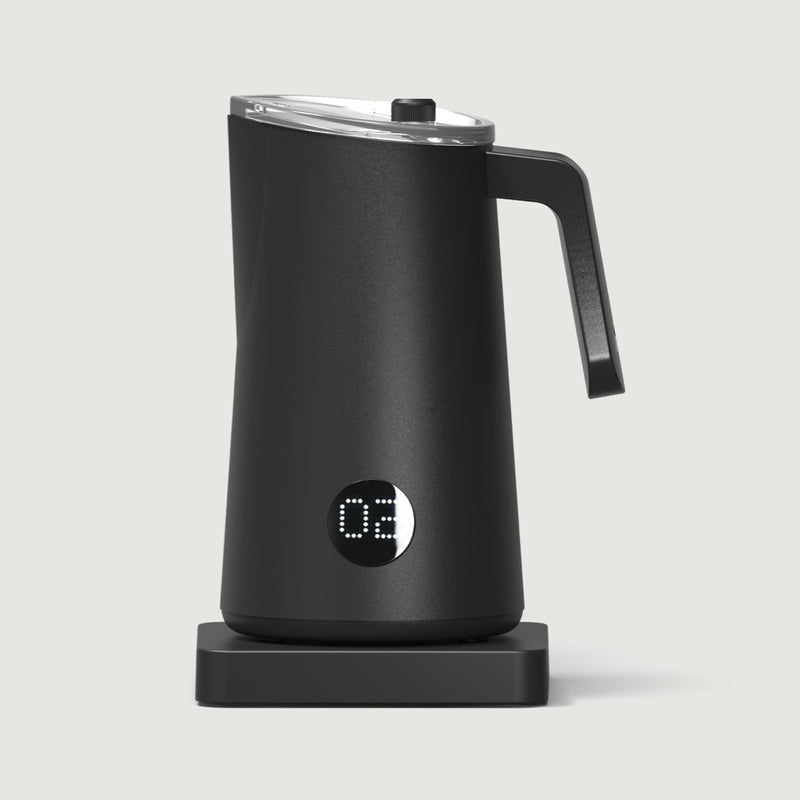
The milk is frothed perfectly! This is an ultimate barista, and the temperature is exactly right! Any other devices that we tried cannot warm up the milk to more than 60 degrees, which makes the coffee average, but this one is mixing the foam and it is perfect for busy mornings! Looooove it!