What Exactly Is a Flat White Coffee?
A flat white coffee is an espresso-based drink made with a double shot of espresso and steamed milk finished with a thin layer of silky microfoam. It sits between a latte and a cappuccino in size and texture, delivering a stronger coffee flavor than a latte while staying smoother and less foamy than a classic cappuccino.
The drink is usually served in a smaller cup so the espresso stays front and center. Home baristas who want consistent results often reach for dedicated microfoam tools that create the exact texture needed without a commercial steam wand.
If you want your flat white to have the signature smooth, velvety texture, mastering milk steaming is just as important as pulling a well-balanced espresso shot. Learning the right techniques for creating silky microfoam will improve both the taste and appearance of your drink. These tips on perfecting milk steaming techniques for latte art can help you achieve café-quality results at home.
Experience café-style flat whites at home with Subminimal.
What Is a Flat White Coffee?

A flat white starts with espresso, usually a double shot, and is topped with steamed milk that has been textured into microfoam. Microfoam is milk with very fine, tiny bubbles that create a glossy, liquid-velvet surface instead of a thick, dry foam cap.
The finished drink is typically served in a cup around 5 to 6 ounces. This smaller volume keeps the ratio of espresso to milk higher than in most lattes. The result is a drink where you clearly taste the coffee, yet the milk adds sweetness and a creamy mouthfeel.
Baristas often pour the milk so the microfoam sits flat on the surface, which is where the name comes from. Many versions also carry simple latte art because the fine texture of the milk holds patterns well.
If you enjoy the smooth balance of espresso and creamy milk in a flat white, you can also experience those flavors in a chilled drink. This Mont Blanc iced coffee recipe uses rich espresso and velvety milk to create a refreshing coffee that's perfect for warm days while still showcasing the coffee's natural character.
The History and Origin of the Flat White
The flat white grew out of coffee culture in Australia and New Zealand during the 1980s. Café owners in both countries claim the drink as their own. Some stories point to Sydney cafés that started serving a stronger, less foamy version of a milky espresso. Others trace it to Auckland, where baristas adjusted the foam on cappuccinos to create a flatter, silkier top.
The name itself appeared earlier in England, where “flat white” described certain espresso drinks as far back as the 1960s. What matters for today’s drinkers is that the modern version traveled from the Antipodes to the rest of the world in the early 2010s and quickly became a menu staple. Specialty coffee shops helped spread it because the drink rewards high-quality espresso and careful milk texturing.
Australia's vibrant café culture has also inspired several other iconic espresso drinks beyond the flat white. One standout is the Melbourne Magic coffee, a specialty drink that combines a double ristretto with silky steamed milk for an even more espresso-forward experience while maintaining the smooth texture Australian coffee is known for.
Flat White vs Latte vs Cappuccino
These three drinks share espresso and milk, yet they feel different in the cup.
-
A flat white uses a double shot and a moderate amount of steamed milk with only a thin layer of microfoam. The drink stays small so the coffee flavor remains bold.
-
A latte is larger and contains more steamed milk. The foam layer is usually soft and thin, but the extra milk softens the espresso taste.
-
A cappuccino features a thicker, airier foam that can sit half an inch or more above the liquid. The foam gives it a lighter, drier texture compared with the glossy microfoam of a flat white.
The key difference is milk texture and volume. Flat whites prioritize integrated microfoam and a higher coffee-to-milk ratio. Lattes lean milky. Cappuccinos lean foamy. Once you taste the three side by side, the distinctions become clear.
If you appreciate the bold espresso flavor that sets a flat white apart from milkier drinks, you might also enjoy coffee-based cocktails that let espresso shine. This espresso martini recipe showcases the rich character of freshly brewed espresso in a completely different way, making it a great option for coffee lovers looking to expand their repertoire.
How to Make a Perfect Flat White at Home
You need three things: good espresso, the right milk volume, and proper microfoam.
-
Pull a double shot of espresso into a small cup or glass.
-
Measure cold milk into a FlowTip milk jug for a 5- to 6-ounce drink. Whole milk works well for beginners because its fat content helps form stable microfoam, and many plant-based milks also perform well.
-
Texture the milk with a NanoFoamer or the NanoFoamer PRO until it becomes glossy and pours like wet paint. These tools create fine microfoam without large bubbles.
-
Pour the textured milk into the espresso in a steady stream, finishing with a flat white surface of microfoam.
Temperature matters. Aim for milk that feels hot but not scalded. Overheated milk loses sweetness and can taste flat. Fresh, cold milk straight from the fridge gives the best results. If you do not own an espresso machine with a steam wand, you can still make a strong base with a moka pot or AeroPress and focus on the milk texture with the same Subminimal tools.
The Key Role of Microfoam in a Flat White
Microfoam is what separates a true flat white from a small latte. It is milk that has been aerated just enough to create a dense network of microscopic bubbles. The surface looks shiny and the texture feels creamy rather than airy.
When you pour it correctly, the microfoam mixes slightly with the espresso crema and creates a smooth, integrated drink. Too much air produces stiff foam that sits on top like a cappuccino. Too little air leaves the milk thin and watery. The goal is the middle ground: liquid velvet that holds latte art and carries the espresso flavor.
For home baristas without a commercial espresso machine, achieving café-quality microfoam can be the biggest challenge. A dedicated microfoam milk frother helps create the fine, silky texture needed for an authentic flat white, making it easier to produce glossy microfoam that blends seamlessly with espresso and even supports simple latte art.
Best Tools for Making Flat White Microfoam at Home
Commercial steam wands take practice. Many home setups struggle to produce consistent microfoam without injecting too much air or diluting the milk with excess water vapor.
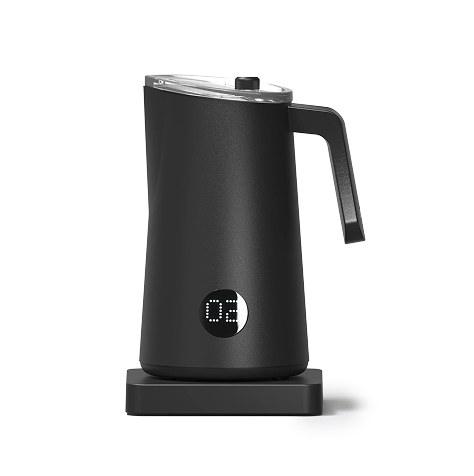
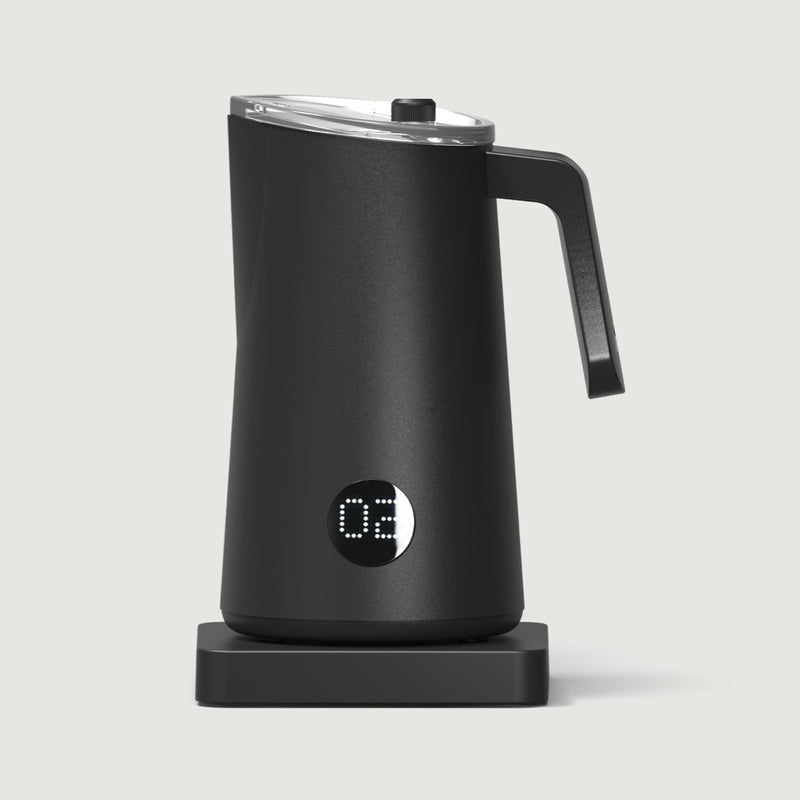
This is where purpose-built tools shine. The NanoFoamer PRO creates professional microfoam using pure kinetic energy instead of steam. It heats and textures milk in one hands-free cycle, works with both dairy and plant-based options, and delivers the exact liquid-velvet consistency a flat white needs. The interchangeable flow controllers let you fine-tune the texture for different milks.
The original NanoFoamer is a compact handheld microfoam maker option that uses the same patented impeller and NanoScreen system. Choose the superfine screen for the thin microfoam layer that defines a flat white. Both tools include access to a latte art masterclass that covers pouring technique.
A good pitcher also helps. The FlowTip milk jug features a precision spout designed for controlled pours and clean latte art. Pairing the right frother with a well-designed jug removes most of the guesswork that frustrates home baristas.
Discover Subminimal Products
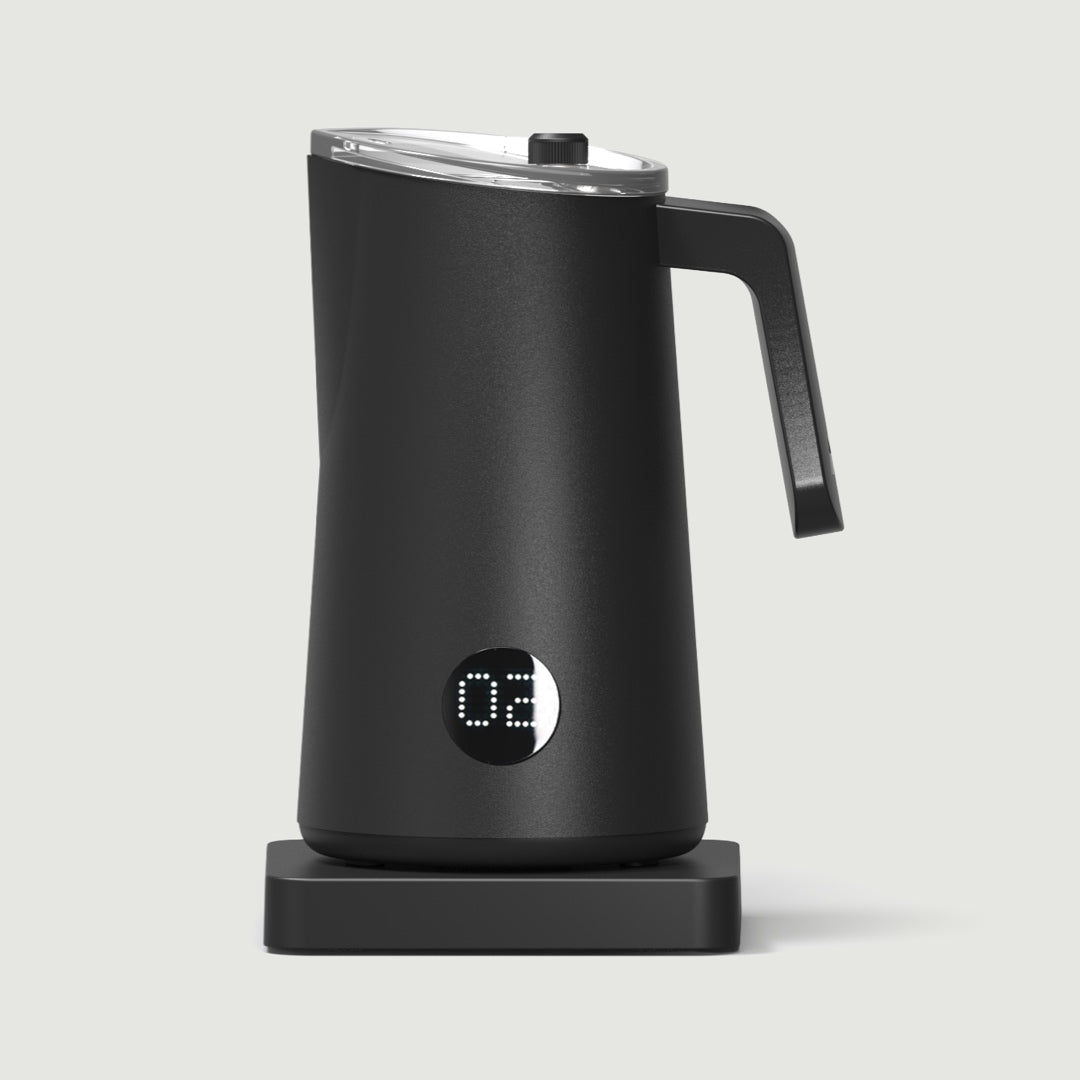
Description ( NanoFoamer® PRO ):
Creating cafe-quality microfoam at home has become simpler than ever.
Many coffee enthusiasts now rely on dedicated devices instead of struggling with basic frothers or expensive steam wands. The Nanofoamer Pro stands out as a complete solution for heating and texturing milk in one step. It produces the fine, stable microfoam that transforms ordinary espresso into smooth lattes and eye catching cappuccinos.
What Sets the Nanofoamer Pro Apart
-
Hands free operation with intuitive push button controls and multiple preset programs
-
Smart flow controllers that match different milk viscosities for reliable results every time
-
Fine adjustable impeller height for perfect vortex control in small or large batches
-
Robust build with double walled jug and high temperature accuracy
-
Easy maintenance thanks to IPX5 water resistance and thoughtful design details
Why Microfoam Quality Matters
-
True microfoam feels silky on the tongue and integrates flavor without large bubbles.
-
It holds patterns for latte art far better than the dry stiff foam from basic frothers.
-
Home users notice the upgrade immediately in taste and presentation.
-
The device handles both cow milk and popular alternatives with the right controller choice.
-
Fit It Into Any Coffee Station
-
Its compact footprint works alongside manual espresso makers, pod machines, or even simpler setups like Aeropress and Moka pots.
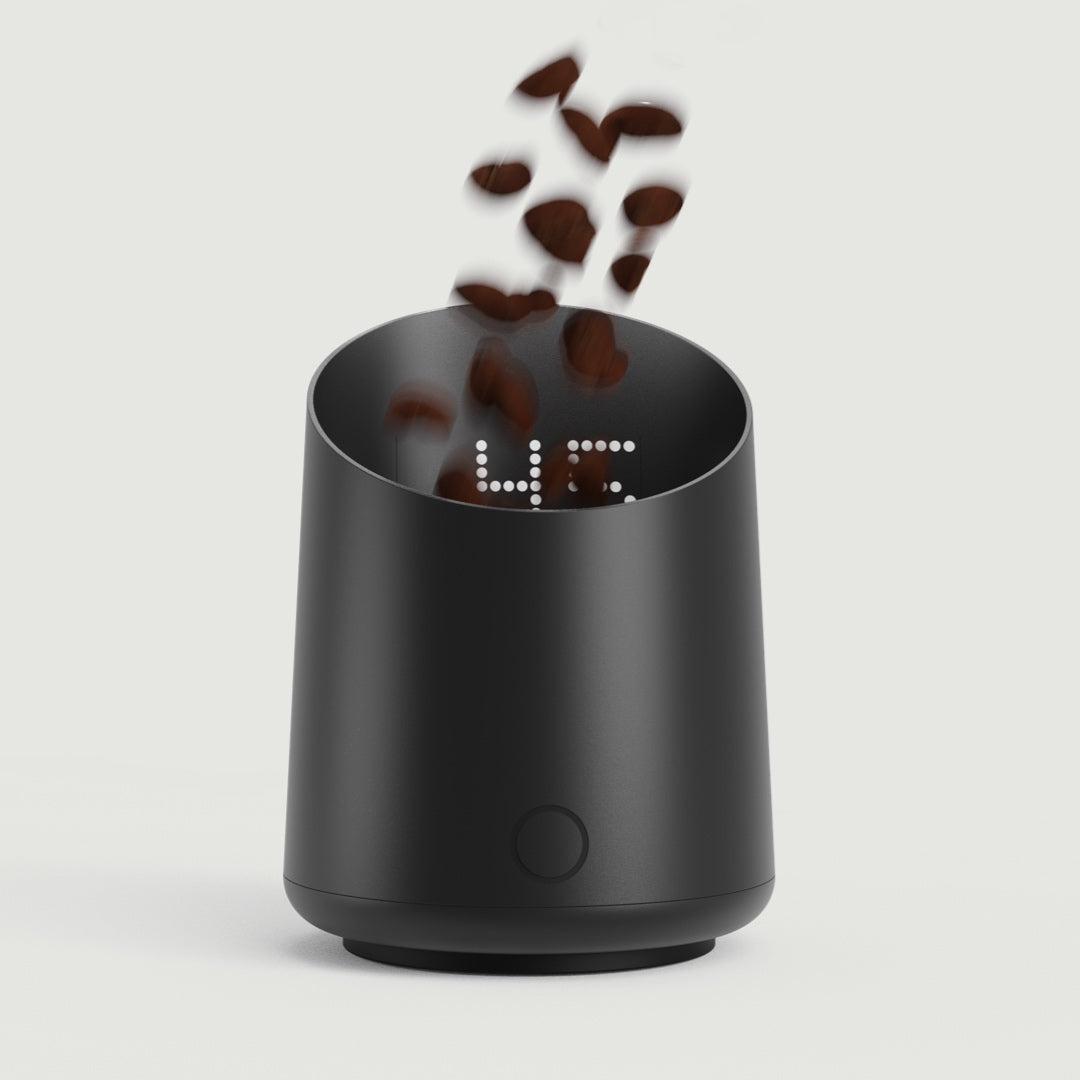
Description (Subscale®):
Precision dosing forms the foundation of great espresso and pour over coffee. A reliable scale paired with your workflow removes guesswork and improves consistency shot after shot. The Subscale combines a dosing cup and digital scale into one elegant device. It simplifies the entire bean to brew process with a hidden display that appears only when needed.
Standout Features of the Subscale
-
Touch activated invisible LED display that reveals weight readings on demand
-
Direct bean dosing into the cup before pouring straight into your grinder
-
USB C rechargeable battery with smart auto shutoff to conserve power
-
IPX4 splash resistance for easy cleaning after use with liquids or grounds
-
Compact minimalist design that reduces clutter on any coffee station
-
Support for grams or ounces with quick switching and calibration option
Benefits for Daily Coffee Rituals
-
You eliminate extra bowls and separate scales from your routine.
-
The single vessel approach speeds up dosing while keeping everything accurate and repeatable.
-
It works seamlessly for espresso single dosing as well as other brewing methods like French press or tea.
-
The futuristic reveal of the display adds a small moment of delight to morning preparation.
Build a Cleaner More Efficient Setup
Home baristas appreciate how one tool replaces two and keeps the workspace tidy. Whether you measure for a double shot or adjust for lighter roasts, the Subscale delivers.

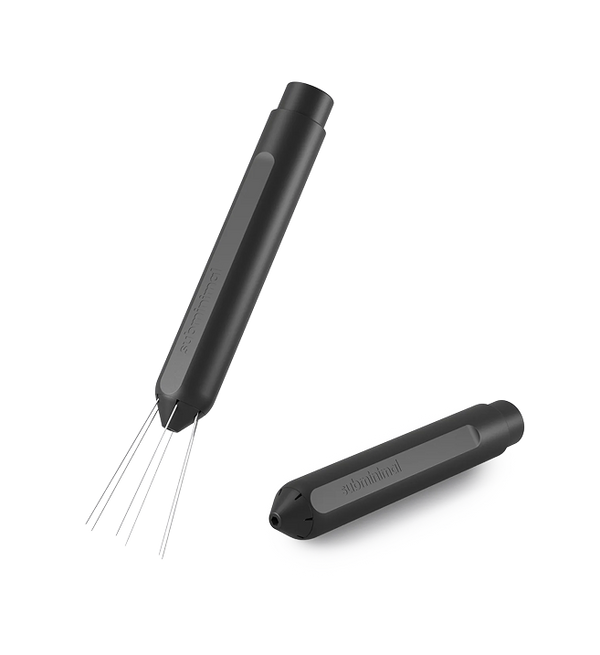
Description (Flick® WDT Tool):
Even distribution of coffee grounds in the portafilter plays a critical role in extraction quality. Uneven puck prep often leads to channeling and inconsistent shots. The Flick WDT tool turns this essential step into a safe and surprisingly enjoyable part of the process. Its retractable needle design solves common frustrations with traditional distribution tools.
What Makes the Flick Different
-
One click mechanism that pops needles out instantly for immediate use
-
Simple wrist flick to retract needles safely after distribution work
-
Thin replaceable needles that break up clumps without disturbing the puck structure
-
Versatile mounting options including a stand or magnetic attachment to machines
-
Lightweight and portable design perfect for home use or travel
-
Comes with spare needles and tools for long term maintenance
Benefits for Better Espresso
-
Proper distribution promotes even water flow through the grounds.
-
This leads to sweeter, more balanced shots with better body and crema.
-
The safety aspect means no more worrying about bent needles or accidental pokes during storage. Users find the motion addictive and look forward to this part of their workflow.
Upgrade Your Puck Preparation
Whether you use a bottomless portafilter or standard setup, the Flick integrates smoothly.
It supports both wet and dry distribution techniques depending on your preference.
Experience the magic of great coffee by checking out Subminimal.
Discover Also:
Tips for Perfecting Your Flat White
Start with cold milk and a clean pitcher. Heat only what you need so the milk does not sit and lose texture. Watch the surface while you texture. You want a gentle stretch of the milk volume followed by a whirlpool that folds the bubbles in. Stop when the milk looks glossy and the pitcher is almost too hot to hold comfortably.
Pour from a slight height at first to mix the espresso and milk, then lower the pitcher to control the surface pattern. Practice the same motion a few times and the results improve quickly. Freshly roasted coffee that works well with milk, medium to medium-dark roast espresso blends, tends to taste balanced in a flat white. Lighter roasts can work if you adjust the shot ratio, but they demand more precision.
Using the right equipment can make your technique much more consistent. A well-designed milk frothing pitcher gives you better control over milk texturing and pouring, making it easier to create silky microfoam and clean latte art while maintaining the balanced espresso-to-milk ratio that defines a great flat white.
Common Mistakes to Avoid
Using too large a cup is the most frequent error. Extra milk turns the drink into a latte and hides the espresso. Over-aerating the milk creates big bubbles that break the silky texture. Under-aerating leaves the milk thin and the surface dull.
Pouring cold or lukewarm milk kills the sweetness that proper heating brings out. Scalding the milk does the same thing in the opposite direction. Skipping the swirl and tap after texturing leaves large bubbles on the surface. A quick swirl integrates everything and gives the glossy finish the drink is known for.
Frequently Asked Questions
Can I make a flat white without an espresso machine?
Yes, you can still create a satisfying flat white at home without a full espresso machine. A strong coffee base from a moka pot or AeroPress works well when you keep the total drink volume small, around the size of a traditional flat white cup. The real focus then shifts to achieving proper microfoam texture in the milk so the drink keeps its signature silky mouthfeel and balanced espresso presence. Many home baristas find that pairing a solid coffee concentrate with carefully textured milk produces results that capture the essence of the original drink.
What milk works best for a flat white?
Whole dairy milk tends to produce the richest and most stable microfoam because of its natural fat content, which helps create that glossy, liquid-velvet texture. Plant-based options such as oat, almond, or soy milk can also deliver excellent results when textured with the right approach and tools designed for different milk types. Fresh, cold milk straight from the fridge gives the best starting point for aeration and heat control. The goal is always a smooth, integrated microfoam that blends with the espresso rather than sitting as a separate layer.
Why does my flat white taste weak?
A weak-tasting flat white usually comes from too much milk relative to the espresso or from using a cup that is larger than the traditional size. Sticking to a double shot and a smaller vessel helps the coffee flavor stay prominent. Overheated milk can also flatten the natural sweetness and mute the espresso notes. Dialing in both the coffee-to-milk ratio and the milk temperature keeps the drink bold yet creamy.
How is microfoam different from regular foam?
Microfoam consists of extremely fine, tiny bubbles that stay suspended throughout the milk, creating a dense, creamy, and glossy texture often described as liquid velvet. Regular foam contains larger air bubbles and feels lighter and drier on the surface. In a flat white the microfoam integrates with the espresso crema to produce a smooth, unified drink instead of a distinct foamy cap. This fine texture is also what allows simple latte art patterns to hold clearly on the surface.
Do I need special equipment for latte art on a flat white?
Consistent microfoam is the most important foundation for clean latte art on a flat white, and a pitcher with a precise spout makes pouring much easier to control. Tools that create true microfoam without large bubbles help the milk flow smoothly and hold patterns such as hearts or simple rosettas. Once the milk texture is right, even basic pouring technique produces better results. Many people refine their skills by practicing with dedicated microfoam tools and a well-designed milk jug.
Read Also:
-
Perfecting Your Latte Art with These Milk Steaming Techniques
-
Foamed Milk at Home: A Comprehensive Guide to Frothing Milk Perfectly
-
Choosing the Perfect Milk Pitcher for Latte Art: A Comprehensive Guide
Related to this blog:
The milk is frothed perfectly! This is an ultimate barista, and the temperature is exactly right! Any other devices that we tried cannot warm up the milk to more than 60 degrees, which makes the coffee average, but this one is mixing the foam and it is perfect for busy mornings! Looooove it!