What Is A Melbourne Magic Coffee?
A Melbourne Magic coffee stands out as one of the most distinctive drinks in Australia's vibrant coffee scene. Baristas in Melbourne simply call it a magic, and regulars know exactly what to expect: a double ristretto shot poured into a compact cup and topped with just enough steamed milk to create a smooth, velvety layer.
This style emerged from Melbourne's innovative cafe culture, where baristas constantly tweak ratios to highlight bean flavors without overwhelming them with milk. Today, the Magic remains a go-to order for locals who want intensity and silkiness in one small, satisfying serve.
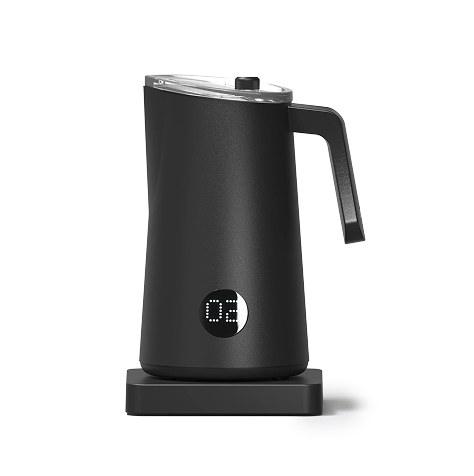
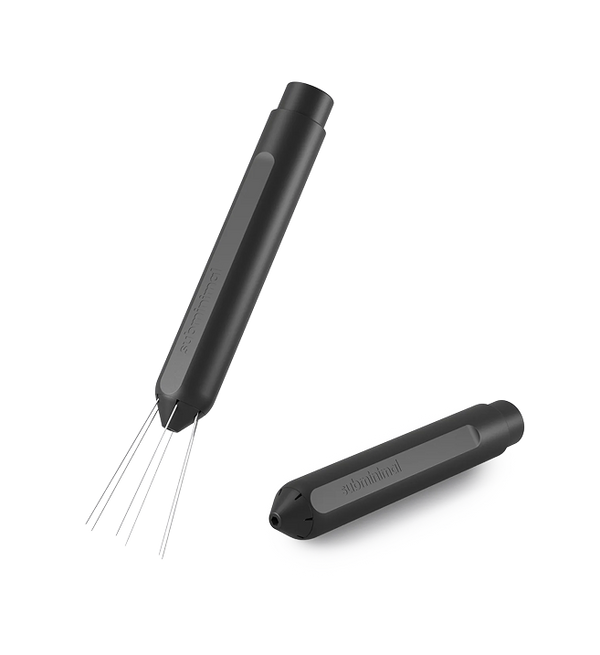
Home enthusiasts can achieve the same cafe-quality results with the right tools. The NanoFoamer PRO delivers professional microfoam without a steam wand, while the Subscale ensures precise dosing, and the Flick WDT Tool helps prepare even espresso pucks. These pieces from the Subminimal collection make it easy to nail the drink every time.
Coffee lovers who enjoy experimenting beyond traditional milk drinks may also appreciate refreshing recipes like the Mont Blanc iced coffee, which highlights layered textures and balanced sweetness, or a rich espresso martini recipe for a more indulgent coffee experience. Exploring different espresso-based creations helps develop a deeper understanding of extraction, texture, and flavor balance across a wide range of specialty coffee drinks.
Experience the magic of great coffee by checking out Subminimal.
What Exactly Is A Melbourne Magic Coffee?
At its core, a Magic coffee combines a double ristretto with steamed milk served in a small ceramic cup. The ristretto extraction stops early, concentrating the sweetest compounds from the coffee beans while cutting out bitterness that often appears in longer pulls. Baristas then add milk steamed to a glossy microfoam texture, filling the cup about three-quarters full.
The small vessel size matters because it concentrates everything. You taste bold coffee notes right away, followed by a creamy finish that coats the palate. Unlike larger milky drinks, the Magic never lets the milk take over. It delivers a rich, aromatic experience in just a few sips.
Cafe-goers in Melbourne appreciate how the drink showcases single-origin beans or well-balanced blends. The shorter extraction highlights bright acidity, chocolatey sweetness, or nutty undertones depending on the roast. This focused approach explains why the Magic feels special even though the ingredients seem simple.
The Origins And History Of The Melbourne Magic
Melbourne earned its reputation as Australia's coffee capital through decades of experimentation by passionate baristas and cafe owners. The Magic appeared in the early 2000s as part of that creative wave. Some accounts trace it to spots in South Melbourne or cafes along Brunswick Street in Fitzroy. One popular story credits a regular customer who asked for a modified order, combining a double ristretto with a reduced pour of flat white-style milk. The barista served the adjusted drink, and the customer loved the result so much that the name Magic stuck.
Word spread quickly through Melbourne's tight-knit coffee community. Baristas started offering it without explanation, assuming regulars already knew the drill. Outside Victoria, the drink stayed relatively unknown for years, which added to its insider appeal. Even today, many visitors to Melbourne discover the Magic by overhearing orders or asking locals for the most authentic drink on the menu.
The style reflects broader Australian coffee traditions that favor precision and balance. Baristas here treat each element, from grind size to milk texture, as essential to the final cup. The Magic embodies that philosophy in its purest form, which is why understanding its ingredients and preparation helps bring the same experience into any kitchen.
Key Ingredients And Flavor Profile Of A Melbourne Magic
Quality matters with every component. Start with fresh beans suited to espresso, ideally medium roast with notes of caramel, citrus, or dark chocolate. The double ristretto pulls a concentrated volume total, creating a thick, syrupy shot full of natural sweetness.
Milk choice affects the final texture. Full-cream dairy produces the silkiest microfoam, but many alternatives work well when prepared correctly. The milk must reach a temperature that feels warm but not scalding, preserving delicate coffee flavors.
The finished drink tastes bold yet smooth. You notice the coffee intensity first, followed by a creamy sweetness that lingers. Acidity cuts through without sharpness, and any bitterness stays absent thanks to the ristretto method. The small cup size keeps each sip concentrated, so the experience stays lively from start to finish. Many drinkers describe it as the ideal morning pick-me-up that satisfies without feeling heavy.
How The Melbourne Magic Differs From Similar Coffee Drinks
People often compare the Magic to other milk-based options, but clear distinctions set it apart. A flat white uses a standard double espresso in a larger cup with more milk, resulting in a milder coffee presence. The Magic, by contrast, relies on ristretto for extra strength and keeps the serving size smaller so the coffee stays dominant.
For coffee enthusiasts exploring Melbourne café culture, understanding drinks like the piccolo coffee can make it easier to appreciate why the Magic stands apart. While smaller milk-based espresso drinks often seem similar, the Magic balances a double ristretto with silky milk in a way that creates more intensity and texture than many alternatives. Comparisons with the piccolo cortado and macchiato difference also reveal how serving size, milk ratio, and espresso style dramatically shape flavor. For those who enjoy balanced espresso beverages, learning about cortado coffee helps highlight the careful harmony that defines Melbourne’s signature Magic coffee.
Step-by-Step Guide To Making A Melbourne Magic Coffee At Home With Subminimal Products
Recreating an authentic Magic at home comes down to nailing the ratios and having tools that remove the guesswork. Subminimal’s precision accessories let you pull a balanced double ristretto and create silky microfoam without a commercial steam wand or complicated setup. The process stays straightforward once you understand the flow and use the right tools for each stage.
1. Dose precisely and prepare an even puck with a dosage cup. You could use our digital coffee dosage cup, Subscale. After grinding to a fine espresso setting, use a WDT tool like our Flick WDT Tool to distribute the grounds evenly in the portafilter for uniform density and smooth extraction.
2. Pull the double ristretto shot directly into a preheated small ceramic cup, stopping the extraction early to capture the sweetest portion.
3. Steam or froth the milk to a glossy, paint-like microfoam with almost no visible bubbles. You could use our NanoFoamer PRO for hands-free microfoam that heats and textures the milk perfectly in about a minute.
4. Pour the milk gently over the ristretto until the cup reaches about three-quarters full.
5. Tap the cup lightly on the counter to settle any layers, then serve immediately.
With the Subscale handling exact dosing, the Flick WDT Tool guaranteeing even extraction, and the NanoFoamer PRO producing café-quality microfoam every single time, you can enjoy consistent, authentic Magic coffees at home without compromise. A few practice runs to dial in your pour and ratios, and this Melbourne classic becomes a reliable, satisfying ritual.
Making The Perfect Magic At Home With Subminimal Tools
Achieving cafe-level microfoam at home used to require expensive espresso machines with built-in steam wands. Subminimal changed that with purpose-built gadgets designed specifically for home baristas who want professional results. Their tools simplify the process while maintaining the exact textures that make a Magic special.
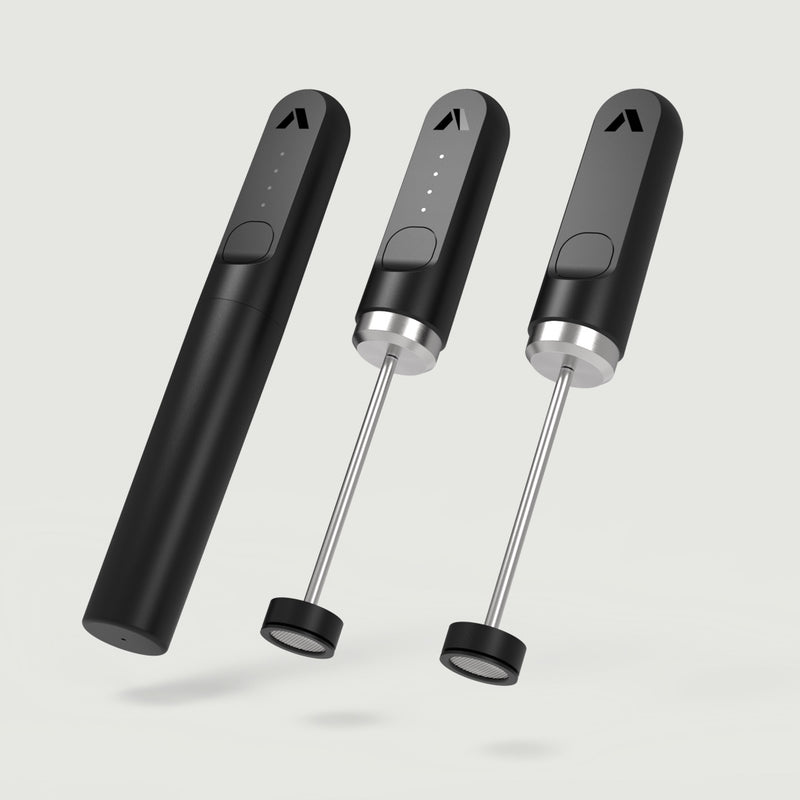
The NanoFoamer PRO, for example, creates microscopic bubbles in seconds using a rechargeable handheld design. It works with dairy and many plant-based milks, letting you experiment freely. Pair it with the Subscale for precise coffee dosing and the Flick WDT Tool for even distribution in the portafilter. These additions ensure every shot extracts uniformly, which matters when you rely on ristretto's concentrated flavors. For more on perfecting distribution, the art of using a WDT tool provides additional guidance.
Many home setups now include the full Subminimal lineup because each piece targets a specific pain point in the workflow. The result feels closer to what you would receive in a top Melbourne cafe, but you control every variable from your own kitchen.
Discover Subminimal Products
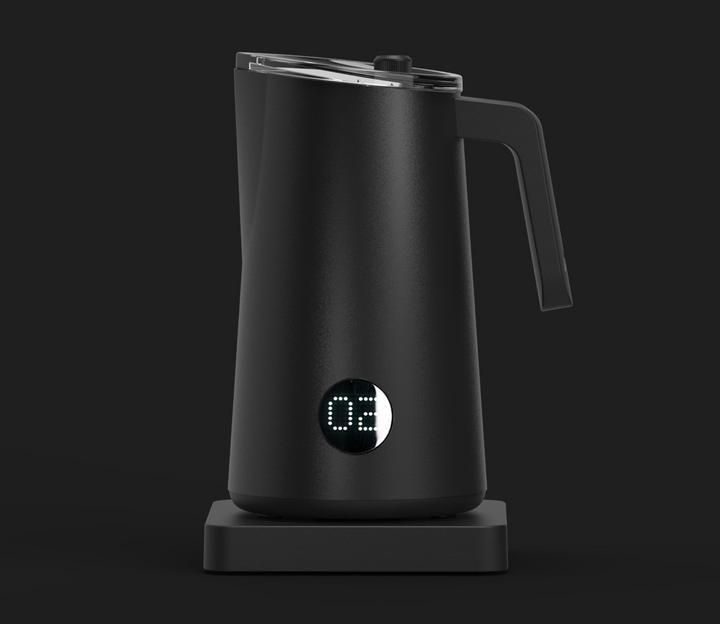
Description ( NanoFoamer® PRO ):
Creating cafe-quality microfoam at home has become simpler than ever.
Many coffee enthusiasts now rely on dedicated devices instead of struggling with basic frothers or expensive steam wands. The Nanofoamer Pro stands out as a complete solution for heating and texturing milk in one step. It produces the fine, stable microfoam that transforms ordinary espresso into smooth lattes and eye catching cappuccinos.
What Sets the Nanofoamer Pro Apart
-
Hands free operation with intuitive push button controls and multiple preset programs
-
Smart flow controllers that match different milk viscosities for reliable results every time
-
Fine adjustable impeller height for perfect vortex control in small or large batches
-
Robust build with double walled jug and high temperature accuracy
-
Easy maintenance thanks to IPX5 water resistance and thoughtful design details
Why Microfoam Quality Matters
- True microfoam feels silky on the tongue and integrates flavor without large bubbles.
- It holds patterns for latte art far better than the dry stiff foam from basic frothers.
- Home users notice the upgrade immediately in taste and presentation.
- The device handles both cow milk and popular alternatives with the right controller choice.
- Fit It Into Any Coffee Station
- Its compact footprint works alongside manual espresso makers, pod machines, or even simpler setups like Aeropress and Moka pots.

Description (Subscale®):
Precision dosing forms the foundation of great espresso and pour over coffee. A reliable scale paired with your workflow removes guesswork and improves consistency shot after shot. The Subscale combines a dosing cup and digital scale into one elegant device. It simplifies the entire bean to brew process with a hidden display that appears only when needed.
Standout Features of the Subscale
-
Touch activated invisible LED display that reveals weight readings on demand
-
Direct bean dosing into the cup before pouring straight into your grinder
-
USB C rechargeable battery with smart auto shutoff to conserve power
-
IPX4 splash resistance for easy cleaning after use with liquids or grounds
-
Compact minimalist design that reduces clutter on any coffee station
-
Support for grams or ounces with quick switching and calibration option
Benefits for Daily Coffee Rituals
- You eliminate extra bowls and separate scales from your routine.
- The single vessel approach speeds up dosing while keeping everything accurate and repeatable.
- It works seamlessly for espresso single dosing as well as other brewing methods like French press or tea.
- The futuristic reveal of the display adds a small moment of delight to morning preparation.
Build a Cleaner More Efficient Setup
Home baristas appreciate how one tool replaces two and keeps the workspace tidy. Whether you measure for a double shot or adjust for lighter roasts, the Subscale delivers.
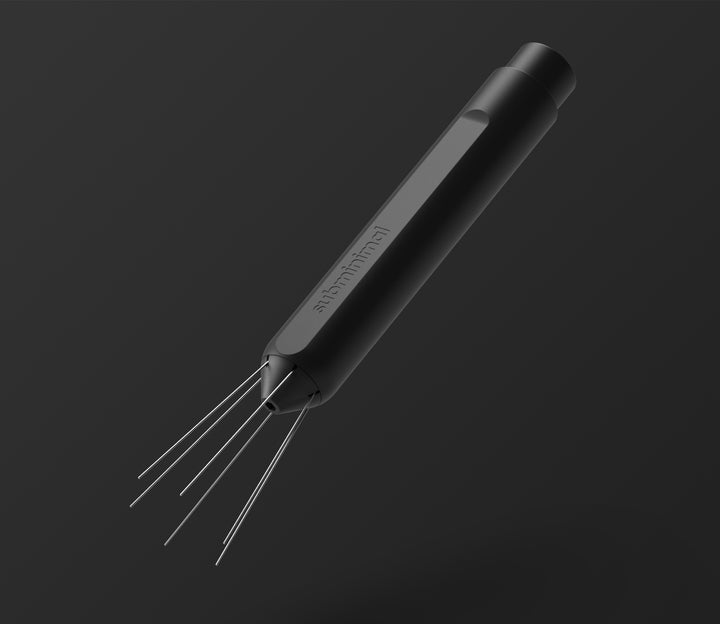
Description (Flick® WDT Tool):
Even distribution of coffee grounds in the portafilter plays a critical role in extraction quality. Uneven puck prep often leads to channeling and inconsistent shots. The Flick WDT tool turns this essential step into a safe and surprisingly enjoyable part of the process. Its retractable needle design solves common frustrations with traditional distribution tools.
What Makes the Flick Different
-
One click mechanism that pops needles out instantly for immediate use
-
Simple wrist flick to retract needles safely after distribution work
-
Thin replaceable needles that break up clumps without disturbing the puck structure
-
Versatile mounting options including a stand or magnetic attachment to machines
-
Lightweight and portable design perfect for home use or travel
-
Comes with spare needles and tools for long term maintenance
Benefits for Better Espresso
- Proper distribution promotes even water flow through the grounds.
- This leads to sweeter, more balanced shots with better body and crema.
- The safety aspect means no more worrying about bent needles or accidental pokes during storage. Users find the motion addictive and look forward to this part of their workflow.
Upgrade Your Puck Preparation
Whether you use a bottomless portafilter or standard setup, the Flick integrates smoothly.
It supports both wet and dry distribution techniques depending on your preference.
Experience the magic of great coffee by checking out Subminimal.
Discover Also:
Flavor Enhancements And Serving Tips For Your Magic Coffee
Small adjustments can elevate an already excellent drink. Try single-origin beans from regions known for bright acidity to highlight the ristretto's natural sweetness. Keep the cup warm before pouring so the temperature stays consistent throughout.
Some baristas finish the drink with a light dusting of cocoa or a citrus zest for subtle contrast, though the classic version needs nothing extra. Serve it slightly cooler than a standard latte to let the flavors unfold gradually.
Experiment with milk alternatives once you master the microfoam technique. Oat milk often pairs especially well because its natural creaminess complements the concentrated coffee without overpowering it. Check the foamed milk at home guide for more techniques on achieving perfect texture.
Tips For Mastering Your Homemade Melbourne Magic
Consistency comes from practice. Dial in your grinder so the ristretto flows at the right speed, usually around the ideal time for the double shot. Track your results over a few days to notice patterns in taste and texture.
Clean equipment after every use to avoid stale residues that dull flavors. Preheat the cup and any tools that touch the milk to maintain ideal serving temperature. Watch how the milk and coffee marry when poured. The microfoam should blend smoothly rather than sit in distinct layers. With time, you will develop an eye for the perfect pour and enjoy consistent results every morning.
What Is a Ristretto and Why It Makes a Magic Different
A ristretto is a short espresso. Same coffee dose. Less water. The word means restricted. The pump stops while the shot is still dark, thick, and sweet. That short stop is the whole point of a Melbourne Magic. A Magic is not a tiny latte. It is a double ristretto under a thin sheet of milk. A normal double espresso in the same small cup tastes sharper and more bitter. The extra water in a full espresso pulls late flavors that a ristretto leaves in the puck.
Here is how the two shots differ in the cup:
-
A standard espresso keeps running until the stream thins and turns pale.
-
A ristretto ends earlier, while the liquid still looks syrupy.
-
A double ristretto uses a double basket, then stops at that same early point.
-
The crema stays darker. The body feels heavier. Fruit and caramel notes sit up front.
Water hits coffee in stages. Early liquid carries acids, aromatics, and natural sugars. Later liquid carries dry, bitter compounds. A ristretto keeps the first group and skips most of the second. That is why the Magic stays punchy without a harsh finish. Grind and puck prep decide whether that short shot tastes sweet or sour. A ristretto needs a finer grind than a regular espresso, because less water has to work through the same bed of coffee. Clumps open channels. Water then races through holes, and the cup tastes thin. Even grounds from products for coffee keep the bed level, so the short extraction stays even from edge to center.
An UpShot espresso mirror on the rim of the cup shows the pour as it happens. Blonding at the edges means the shot has already gone too long for a ristretto. A tight, tiger-striped stream is the look you want before the milk goes in. Dose still matters. A double basket that is underfilled runs fast and tastes sharp. A basket that is packed unevenly spatters. A coffee scale built into the dosing cup keeps the starting weight steady so the short yield has a fair chance.
Milk does not fix a long, bitter shot. It only wraps whatever you pulled. That is why the ristretto sits at the center of the drink. Glossy milk from a milk frother and steamer then slides through that heavy crema instead of sitting on it like a dry cap. A Magic without a ristretto is just a small flat white. The restricted shot is the part that earns the name.
Magic Coffee vs Flat White vs Latte vs Piccolo
People mix these drinks because they all use espresso and milk. The base shot, the cup, and the milk volume are not the same. Those three details change the first sip.
Magic
-
Base: double ristretto
-
Cup: small ceramic cup, often filled only partway
-
Milk: thin, glossy microfoam, not a stiff cap
-
Taste: coffee first, then a short creamy finish
A flat white uses a longer espresso and more milk. The cup is usually larger. The coffee is still clear, but the drink drinks softer. The Magic keeps a tighter coffee-to-milk balance because the shot is shorter and the vessel is smaller.
Latte
-
Base: standard espresso
-
Cup: tall glass or large ceramic cup
-
Milk: more liquid milk, thicker foam on top
-
Taste: milk first, coffee in the background
A latte is the milkiest of this group. The Magic is the opposite idea. Less milk. Shorter shot. Faster finish.
Piccolo
-
Base: usually a single ristretto
-
Cup: tiny glass
-
Milk: a short pour of the same silky style
-
Taste: intense, then gone in a few sips
A piccolo coffee is the closest cousin. Same restricted shot style. Half the coffee. Half the volume. A Magic is the double version in a ceramic cup, so it feels like a full drink instead of a tasting pour.
A cortado sits nearby on paper. Equal parts espresso and warm milk. Almost no foam. The shot is usually a standard espresso, not a ristretto, so the cup can taste drier. The gap between piccolo, cortado, and macchiato is shot type plus milk amount. An espresso macchiato goes even smaller: a full shot marked with a spoon of foam.
Quick way to tell them apart:
-
Want the sweetest short milk coffee? Magic.
-
Want a longer everyday cup? Flat white.
-
Want a breakfast-size milky drink? Latte.
-
Want two or three intense sips? Piccolo.
-
Want espresso with almost no texture? Cortado or macchiato.
Pour control changes how close those drinks feel. A FlowTip milk jug keeps the stream thin enough for a 5-ounce cup. Wide jugs dump milk too fast and turn a Magic into a small latte. A handheld NanoFoamer makes the same wet-paint texture cafes use on flat whites, which is the milk style a Magic needs. The NanoFoamer GO does that job in a smaller wand when the pour is only a short pitcher of milk. The comparison is simple once the base shot is clear. Same beans can make all five drinks. The restricted double shot and the small cup are what separate the Magic.
Latest News In 2026
The Magic is less of a private handshake in 2026. Melbourne regulars still order it by the short name. More cafes now print it on boards instead of keeping it only behind the bar. Reference pages updated this year describe the drink the same way specialty bars have made it for years: steamed milk over a double ristretto in a cup smaller than a flat white. Food writers still call it a little less milky and a little more coffee-forward than a latte. That wording has stuck because it matches what lands in the cup.
Outside Victoria, the name still confuses some floor staff. Travelers who want the same ratio now spell out the build: double ristretto, flat-white milk, small cup, stop short of the rim. Bars that already pull ristretto shots for a piccolo can make the drink without a special recipe card. Home setups caught up with the milk side. Short drinks need short aeration. Long frothing makes a dry cap that sits on the ristretto instead of mixing through it. A mini milk frother with a fine screen is the tool many small kitchens used this year for that thin texture. People who brew away from home reached for a travel milk frother when the hotel machine could pull a short shot but could not steam milk well.
USB-C wands also became the default spare for Magic-style milk. A USB rechargeable milk frother holds speed better than fading batteries, which matters when the milk frothing pitcher only holds a little milk. Guides on how to use a milk frother wand now treat the Magic pour as a short-air drink, closer to a flat white than a cappuccino.
On the espresso side, more home bars watch the shot instead of guessing the cutoff. An espresso distribution tool before the tamp cuts the blond jets that ruin a ristretto. The best barista tools in 2026 lists keep putting that prep step next to milk texture, because a Magic shows errors faster than a large latte.
The drink also sits in a wider Melbourne set this year. Cold layered coffees and small hot milk drinks share the same idea: less filler, clearer coffee. An affogato coffee still uses a straight shot over ice cream. The Magic stays the hot, milky version of that same “coffee first” habit. The name is no longer only a local rumor. The recipe on the bar has not really moved. Small cup. Double ristretto. Thin milk. That is still the 2026 version.
Frequently Asked Questions
Can you order a Melbourne Magic coffee outside Australia?
Many specialty coffee shops around the world now serve variations of the Melbourne Magic, especially in cities with strong cafe cultures influenced by Australian baristas. When the drink does not appear on the menu, describing it as a double ristretto served in a small cup with a specific milk ratio often helps the barista understand the order. The key lies in the concentrated ristretto shot paired with silky microfoam that creates its signature balance.
What type of beans work best for making a Melbourne Magic?
Medium roast beans with caramel, chocolate, or citrus notes tend to perform well because the ristretto extraction highlights their natural sweetness. Single origin coffees from regions known for vibrant acidity can bring extra liveliness to the drink. Fresh beans remain essential for achieving the clean flavor profile that defines a great Magic.
Is the Melbourne Magic stronger than a flat white?
The Magic delivers a bolder coffee taste thanks to the double ristretto and smaller serving size. The limited milk volume allows the espresso character to stay prominent while still providing a creamy texture. This balance makes it feel more intense yet smooth compared to drinks with higher milk ratios.
Do you need a full espresso machine to prepare a Magic coffee at home?
A quality espresso machine helps pull accurate ristretto shots, but many home baristas achieve excellent results by focusing on precise dosing and milk preparation. Tools like the NanoFoamer PRO simplify creating the required microfoam texture without a traditional steam wand. Consistent technique with fresh beans often matters more than having every piece of professional equipment.
How important is the microfoam texture when making a Melbourne Magic?
Silky microfoam integrates smoothly with the ristretto instead of sitting as a separate layer. This creates a uniform mouthfeel where coffee and milk flavors combine in every sip. Proper texture prevents the drink from tasting watery or overly foamy and helps deliver the signature velvety experience.
Is a Magic the same drink as a cortado?
They sit in the same family of small milk coffees, but they are not twins. A cortado cuts espresso with warm milk and almost no foam, so the mouthfeel stays closer to a straight shot. A Magic starts with a double ristretto and uses the same glossy milk you find on a flat white. If you like the drier Spanish style, the cortado coffee is the nearer match. If you want sweetness and velvet without a large cup, the Magic is the closer order.
Can oat milk work in a Magic?
Barista oat milk can hold a thin, shiny layer when it stays a little cooler than dairy. Regular oat cartons often foam up dry or split once they get hot, which hides the ristretto. The fat and protein mix in the carton matters more than the plant label on the front. A milk frother setup that shears small bubbles, rather than whipping a tall cap, keeps oat milk in the Magic range.
How do you know the ristretto ended at the right time?
Taste and flow tell you more than a fixed timer. A good short shot looks thick, stripes a little, and lands sweet rather than sour or ashy. If it gushes, the grind is too open or the puck has holes. If it crawls and tastes sharp, the grind is too tight or the dose is crowding the basket. Watching the stream with an espresso shot mirror makes the color change obvious before the cup fills.
Can you serve a Magic over ice?
An iced Magic is the same short double shot over ice, then cold milk with a little cold foam. Because the drink is small, melted ice shows up fast, so a tight ristretto helps the coffee stay present. Cold foam should stay glossy, not stiff like whipped cream. A brief spin from a NanoFoamer or another fine-screen wand keeps that cold layer pourable.
Why do some cafes outside Melbourne pause when they hear the order?
“Magic” is local shorthand, not a worldwide menu term. A barista who does not pull ristretto shots may hear a brand name or a flavored special. Naming the parts removes the stall: double ristretto, small cup, flat-white milk, stop before the rim. Shops that already make a piccolo coffee usually have the shot style ready. They only need the double dose and the larger small cup.
Does a Magic use latte art milk or cappuccino foam?
It uses latte art milk: thin, shiny, and heavy enough to mix through crema. Cappuccino foam is drier and sits in a cap, which steals space in a five-ounce cup. The stretch of air is short, then the milk is spun until it looks like wet paint. How to froth milk with a frother and how to use a milk frother wand both treat that texture as a small-drink setting, not a cappuccino program.
What roast style suits a double ristretto in milk?
Medium roasts with caramel, nut, or ripe-fruit notes sit well under a short splash of milk. Very light roasts can turn sharp once the water is cut back. Very dark roasts can taste smoky in a cup this small. Freshness matters because a ristretto has nowhere to hide stale or baked flavors. The milk should support the roast, not cover it.
Can a pod machine make a Magic?
A pod machine with a ristretto or short-shot button can get near the coffee side if you use two short pours in a small cup. The weak point is usually the milk, because many built-in steamers make large bubbles. Separate texturing in a narrow milk frothing pitcher keeps the pour thin enough for the short drink. The cup will not match a cafe Magic shot for shot, but the ratio still reads as coffee-forward rather than milky.
Read Also:
Experience the magic of great coffee by checking out Subminimal.
Related to this blog:
When my steamer died, I thought I'd try the NanoFoamer while I waited. Well, I'm sold! I never thought I could get that milk so silky at home. And so quick, and portable. My new favorite!